
As an After-Sales Engineer, I’ve seen firsthand how crucial it is to get hospital bed parts delivered on time. It’s not just about logistics; it directly impacts patient care and how smoothly a facility runs. My goal here is to pull back the curtain a bit on what really influences these lead times, so procurement managers and distributors can plan smarter. Because, let’s be honest, a hiccup in the supply chain for critical medical equipment isn’t just an inconvenience—it can be a real problem.
Why Lead Times are Crucial in Medical Equipment Procurement
When you’re talking about medical equipment, especially something as fundamental as hospital bed parts, “meticulous planning” isn’t just a buzzword—it’s a necessity. The lead times for these parts directly dictate whether a healthcare facility can keep its doors open, so to speak, and continue offering uninterrupted patient care. A delay here isn’t just a minor snag; it can ripple through operations, affecting everything from routine maintenance schedules to how quickly a hospital can respond in an emergency.
1. The Impact of Production Delays on Healthcare Operations
Imagine this: a hospital needs a new set of casters for a bed, or maybe a side rail. If there’s a production delay, that bed might just sit there, unusable. Suddenly, you’re looking at fewer available beds, which can mean delayed patient admissions or, worse, having to transfer patients to other facilities. And it’s not just about bed count; prolonged equipment downtime puts a real strain on staff, who are already stretched thin, and can even compromise patient safety. In critical care units, even a tiny delay can have life-or-death consequences. So, keeping that supply chain flowing smoothly isn’t just good business; it’s absolutely paramount for maintaining the quality and continuity of patient care.
2. Planning and Inventory Management for Hospital Facilities
To avoid those kinds of headaches, hospitals and distributors really need to get their act together when it comes to planning and inventory. It’s all about forecasting demand accurately—looking at past data, trying to predict future needs, and keeping an eye on those seasonal ups and downs. A smart inventory strategy can save a ton of money by preventing those frantic, costly emergency orders, and it ensures that the parts you need are always there when you need them. My advice? Don’t just set it and forget it; review your inventory strategy regularly. The market changes, and so should your approach. If you’re curious about how to pick the right supplier, you might want to check out 《Choosing A Reliable Hospital Bed Parts Manufacturer A Comprehensive Guide》.
Key Factors Influencing Bed Parts Manufacturing Lead Times
So, what really drives those lead times for hospital bed parts? It’s a whole web of interconnected factors, from the big picture of global supply chains down to the nitty-gritty of specific production processes. If you can get a handle on these, you’ll be much better equipped to forecast and build more resilient procurement strategies.
1. Understanding Material Sourcing and Availability Challenges
It all starts with the raw materials. The availability of things like specialized steels, plastics, or even tiny electronic components can swing wildly. Global events—think trade policies, natural disasters, or even just a big surge in demand somewhere else—can throw a wrench into material supply chains. Manufacturers have to be pretty nimble, often needing to line up multiple suppliers or stash away strategic reserves. For example, those fancy alloys used in some mechanical parts? They can take ages to source, and that tacks on time to the whole process.
2. The Role of Manufacturing Processes and Production Capacity
The more complex a part is, the longer it’s going to take to make. A simple bracket? Quick. An intricate mechanical assembly? Not so much. And then there’s the manufacturer’s capacity. A facility with state-of-the-art machinery and super-efficient workflows can churn out parts faster. But if demand suddenly spikes, or a key piece of equipment breaks down unexpectedly, that capacity gets strained, and lead times stretch out. On our end, we’re always investing in new tech to keep our efficiency up.
3. How Order Volume and Customization Affect Delivery Schedules
It makes sense, right? A bigger order means more materials, more labor, and naturally, more production time. But customization? That’s a whole different ballgame. If you need something specially designed—unique molds, bespoke tooling, or custom engineering—you’re inherently looking at longer lead times. Every step, from getting the design approved to testing prototypes, adds to the clock. A custom-sized bed panel, for instance, will definitely take longer than pulling a standard one off the shelf.
4. Logistics, Shipping, and International Trade Considerations
Once a part is made, it still needs to get to you, and that’s where logistics and shipping come in, especially for international orders. The method of transport (air, sea, land), navigating customs, and even the geopolitical climate can all influence how long it takes. And let’s not forget international trade regulations and tariffs, which can introduce both delays and unexpected costs. We spend a lot of time planning our logistics to minimize these variables and ensure things arrive when they’re supposed to.
Typical Lead Time Ranges for Various Hospital Bed Components
To help procurement folks set realistic expectations, it’s good to have a ballpark idea of lead times for different hospital bed components. These ranges aren’t set in stone, of course; they’ll shift based on how complex the part is, what it’s made of, and the manufacturing process involved.
1. Lead Times for Standard Bed Accessories like Casters and Guardrails
For the more standard stuff—think casters and guardrails—the lead times are generally shorter. They’re simpler designs, and the materials are usually easier to get. For example, our 5’8′ Central-locking single-face caster and 5’6′ Central-locking double-face caster usually ship in about 15–20 working days. Same goes for guardrails like the Horizontal tube folding guardrail or the High quality aluminum alloy guardrail. These are often made in bigger batches, which helps speed things up.

2. Production Schedules for Complex Mechanical Parts and Crank Systems
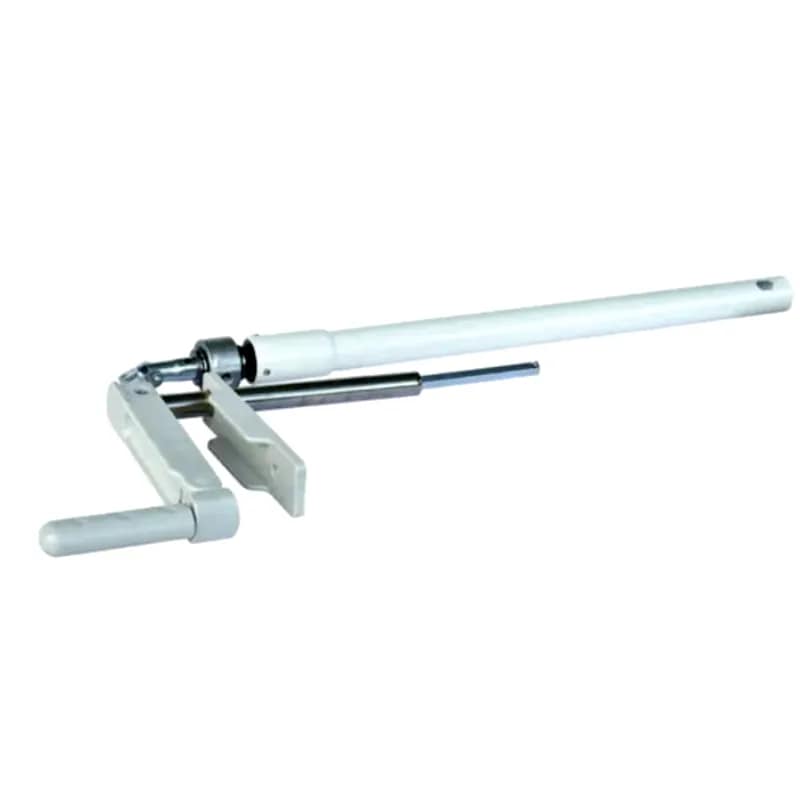
Now, for the more intricate mechanical parts and crank systems, you’re looking at longer production cycles. Things like the ABS crank with in-place protection or the Iron crank with in-place protection need precise machining and careful assembly. Those typically fall into the 15–20 working day range. Parts like the Large support plate of electric bed or the 7 Shape Force Arm Hardware Products Precision Metal Stamping often demand specialized manufacturing techniques, which naturally extends the schedule. These aren’t just any parts; they’re vital to the bed’s function and go through rigorous quality checks.
3. Lead Times for Bed Panels and Head/Foot Boards
Bed panels and head/foot boards also have their own lead time variations, depending on their design and the materials used. Our standard stamped bed panels, like the 900mm width single crank stamped bed panel or the 820mm width 4 sections stamped bed panel, usually take about 15–20 working days. The same goes for head and foot boards, whether it’s the High quality headboard and footboard with anti-collision corners or the Ordinary ABS Head&Foot Board. Sometimes these need specific finishes or coatings, which adds a bit to the production time.

4. Specific Examples from Yingyun Hardware’s Product Line
Here at Yingyun Hardware, we’re pretty upfront about our lead times across our wide range of hospital bed parts. For instance, our 5 Inch 304 Stainless Steel_TPR Material Special Medical Bed Brake Casters have a 15–20 working day lead time. Even our manual wheelchairs, like the High Quality Foldable and portable manual wheelchair with handbrake, stick to that 15–20 working day schedule. But for more comprehensive products, like the Manual three function hospital bed and metal parts or the Electric five function hospital bed and metal parts, you’re looking at 40-45 working days. That’s because of their complexity and the assembly involved. We believe this kind of transparency really helps our clients plan their orders effectively.
Strategies to Optimize and Reduce Lead Times for Medical Supplies
Nobody wants to wait longer than necessary, especially when it comes to medical supplies. Minimizing lead times is absolutely crucial for keeping healthcare operations running smoothly. Luckily, there are some smart, proactive strategies procurement teams can use to fine-tune their supply chains and ensure they get essential medical supplies when they need them.
1. Effective Communication and Collaboration with Manufacturers
This might sound obvious, but truly open and consistent communication with your manufacturers is golden. If you can share accurate forecasts of what you’ll need, clearly communicate any urgent requirements, and provide precise specifications, you can head off so many misunderstandings and delays. Building a collaborative relationship fosters trust, which in turn allows manufacturers to better anticipate and meet your needs. Regular check-ins and performance reviews? They’re not just formalities; they help keep everyone on the same page.
2. The Benefits of Strategic Stocking and Inventory Agreements
Think of strategic stocking as having a safety net. By keeping a buffer inventory of those really critical components, you’re less reliant on immediate production and much better protected against unexpected supply chain disruptions. And if you can get inventory agreements with your manufacturers—guaranteeing a certain stock level or even a production slot—that’s even better for security. This approach is a lifesaver, especially for items that are always in high demand or have notoriously long lead times.
3. Exploring Expedited Manufacturing and Shipping Options
Sometimes, you just need it now. For those urgent situations, looking into expedited manufacturing and shipping options becomes essential. Yes, they usually come with extra costs, but they can dramatically slash lead times. Expedited manufacturing means your order gets bumped up in the production queue, and express shipping, like air freight, cuts transit times significantly. It’s all about weighing the cost against the benefit when you’re in a critical bind. And hey, if you’re curious about custom manufacturing, check out 《OEM Services For Hospital Bed Parts Your Custom Manufacturing Partner》.
Partnering with Reliable Manufacturers for Timely Delivery
Choosing the right manufacturing partner isn’t just a simple decision; it’s a strategic one that directly impacts how reliable and efficient your entire supply chain will be. A manufacturer you can truly depend on will not only deliver consistent quality but also stick to those agreed-upon lead times.
1. Assessing Manufacturer Capabilities and Track Records
Before you commit to a partnership, you really need to do your homework. Dig into a manufacturer’s capabilities and their track record. What’s their production capacity like? What kind of technology do they use? How robust are their quality control processes? And crucially, what’s their history of on-time delivery and customer satisfaction? A manufacturer with a proven history of reliability and efficiency isn’t just a supplier; they’re a valuable asset. We’ve been immersed in hospital beds and accessories since 2006, which I think speaks volumes about our sustained capability.
2. The Importance of Quality Control and Production Transparency
When you’re dealing with medical equipment, robust quality control isn’t just nice to have—it’s non-negotiable. Make sure your chosen manufacturer adheres to international quality standards and puts everything through rigorous testing at every stage of production. And transparency? That’s huge. Getting regular updates on your order status and being informed about any potential issues builds trust and lets you tackle problems proactively. We take our quality control very seriously and offer complete transparency throughout our manufacturing process. If you’re interested in what goes into making quality medical bed parts, you might find 《Essential Materials For Quality Medical Bed Parts Manufacturing》 insightful.
Contact Us for Your Hospital Bed Parts Needs
Ensuring a steady, reliable supply of hospital bed parts is absolutely fundamental for any healthcare facility. Here at ZhongShan YingYun Hardware Products Co.,Ltd, we’re genuinely committed to providing top-notch components with lead times that are both clear and predictable. Our team is always ready to chat about your specific needs and help you fine-tune your procurement strategy. Don’t hesitate to reach out today to learn more about our products and how we can support your operations.
Email: lily@yingyunmic.com
Phone: +8613528198959
About the Author
Miss Vicky, After-Sales Engineer
Miss Vicky is an experienced After-Sales Engineer at ZhongShan YingYun Hardware Products Co.,Ltd. She specializes in medical device installation, troubleshooting, and providing comprehensive customer support. With a deep understanding of hospital bed parts and their functionality, Miss Vicky is skilled at resolving technical issues efficiently and offering professional guidance to ensure optimal product performance and customer satisfaction.
FAQs
1. What is the average lead time for hospital bed parts?
Well, “average” is a bit tricky because it really depends on the part. For simpler items like standard casters and guardrails, you’re usually looking at about 15–20 working days. But if you need something more complex, like a full crank system or an entire bed frame, that can stretch to 40–45 working days. It all boils down to material availability and how busy the production lines are at the moment.
2. How can I get a more accurate lead time estimate for a specific order?
To get a really precise estimate, the best thing to do is give your manufacturer all the details: part numbers, quantities, and any customization you need. Also, be upfront about your project timeline and any hard deadlines. With that information, they can check material availability and production schedules to give you a much more accurate picture.
3. Do customized bed parts have longer lead times?
Oh, absolutely. Custom parts almost always take longer than standard ones. Think about it: there are extra steps involved like validating the design, creating special tools, and then going through specialized manufacturing processes. All those additional stages add to the overall production time, so careful planning is key for any customized orders.
4. What steps can be taken to expedite an urgent order?
If you’ve got an urgent order, the first thing is to tell your manufacturer immediately how critical it is. Ask about any expedited manufacturing options they might have, which essentially means your order gets prioritized. And then there’s faster shipping, like air freight, though you should expect that to cost more. Honestly, the best way to avoid these urgent situations is to strategically stock those frequently needed parts.
5. How does Yingyun Hardware manage its lead times for bed parts?
At Yingyun Hardware, we really focus on managing our lead times through smart production planning, making sure we source our materials strategically, and keeping communication super transparent. We also maintain a solid inventory of common materials and components. For the more complex items, we use advanced manufacturing techniques and give clear lead time estimates—anywhere from 10-15 working days for simple parts up to 40-45 working days for complete beds. It’s all about being reliable for our clients.