
Medical equipment warranty terms are more than a line item — they determine how quickly you can get a broken hospital bed back into service and whether the manufacturer will absorb the cost of a failed actuator or send you an invoice for replacement parts. As a medical hardware engineer who has spent nearly twenty years in hospital bed manufacturing, I have seen too many procurement teams overlook warranty details until something breaks. A clear understanding of what is covered, for how long, and under what conditions separates a supplier who stands behind their product from one whose after-sales support disappears after shipment.
Why Warranty Terms Deserve Your Full Attention Before a Purchase
A warranty is essentially a promise about product quality and manufacturer responsibility. In a hospital ward or nursing home, where a bed going offline disrupts patient care, the financial and operational impact of a warranty gap is real. I recall a clinic that imported a batch of electric beds without confirming the warranty coverage on the control boxes. When two controllers failed within eight months, the supplier argued the electronics were considered wear items. The clinic ended up paying over $3,000 for replacement parts and express freight. Had they reviewed the warranty terms before signing, they could have negotiated electronic component coverage or chosen a bed with a more comprehensive guarantee. Understanding exactly which components are covered, the claim procedure, and who pays for freight is the difference between budget certainty and surprise maintenance costs.
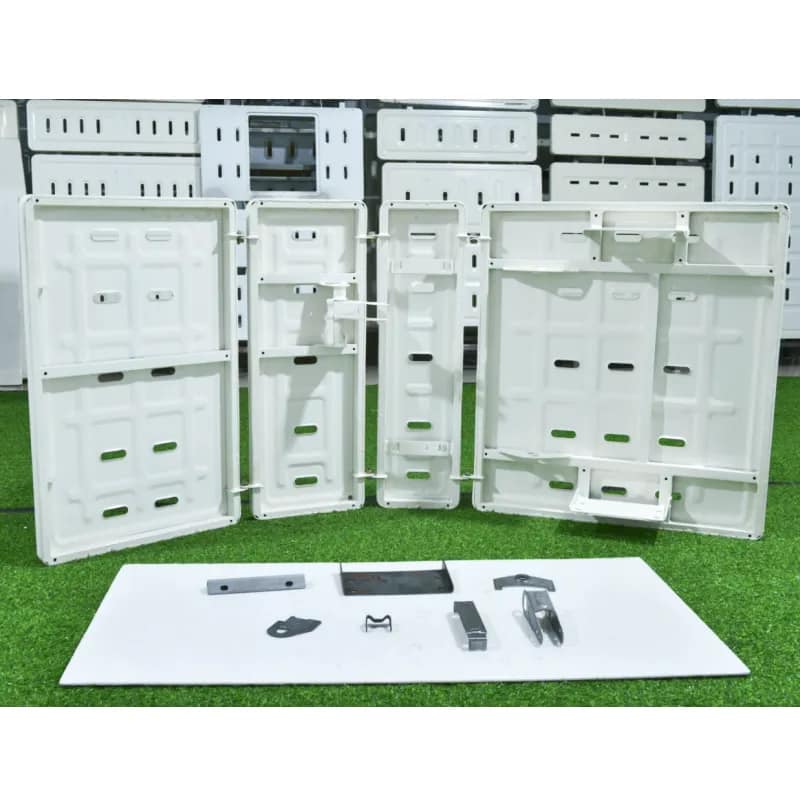
What a Standard Medical Equipment Warranty Actually Covers
Most manufacturers describe warranty coverage in terms of “mechanism and structure.” Broadly, this means the metal frame, welds, bed panel mounting, and manually or electrically operated moving parts are free from material and workmanship defects. But the specifics vary, so reading the exact wording is essential.
| Component Category | Typical Warranty Period | Common Exclusions That Need Clarification |
|---|---|---|
| Welded steel bed frame and structural parts | 1–2 years | Rust beyond surface, damage from misuse |
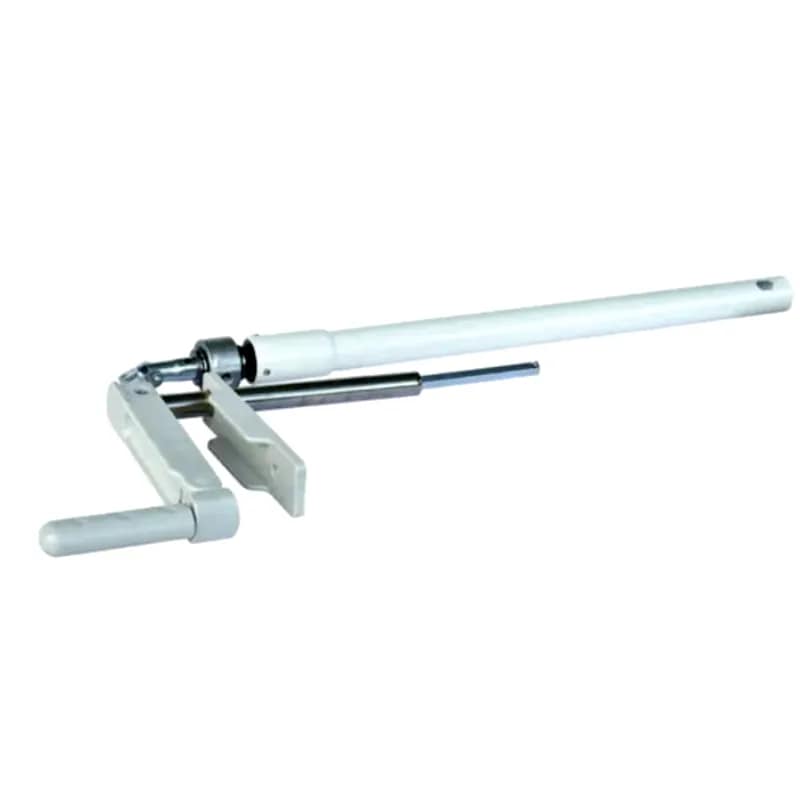
| Crank mechanism and transmission parts | 1 year | Worn gears from overload or lack of lubrication |
| Bed panels (stamped or ABS) | 1 year | Cracking from impact, fading of surface color |
| Casters and braking system | 1 year (mechanism) | Tread wear, bearing wear in high-use corridors |
| Electronic control box, motors, handset | Often 1 year, sometimes 6 months for export | Water ingress, voltage surges, unauthorized repair |
| Side rails and guardrails | 1 year for latching mechanism | Bending from patient climbing, abrasion of coating |
At Yingyun Hardware, our standard is a 1‑year warranty on mechanism and structure for the full hospital bed range, because the components we produce — from the stamped bed panel to the gearbox — are designed to perform beyond 12 months of daily use when handled normally. But as a buyer, you should still confirm whether the warranty clock starts at shipment or after installation, because a bed that spends two months in transit and customs already eats into the coverage period.
Before finalizing a supplier, confirming their production quality with independent certifications can give you confidence that warranty promises won’t be undone by hidden defects. <Essential Certifications for Medical Bed Parts Manufacturers> covers which certifications indicate a manufacturer runs reliable production controls that reduce early failure rates.
How to Evaluate a Supplier’s Warranty Before You Sign the Contract
When I discuss warranty with hospital procurement teams, I tell them to look past the sales quote and ask for the written warranty document. That document should answer a handful of practical questions.
First, which exact parts are listed under “mechanism and structure”? A bed frame is one thing, but if the actuator threads are considered consumable, they may not be covered. Second, who bears the freight cost for warranty replacements? For international buyers, this is the single biggest point of confusion. A manufacturer might send a free replacement part, but if you pay DHL for a 20‑kg gearbox from China, that can cost more than the part itself. Third, what is the claim evaluation window? A supplier who commits to respond within three working days after receiving your photo evidence is very different from one who takes two weeks. Fourth, is there a local agent or repair partner who can assist, or must all claims go through the factory?
As a rule, I suggest writing these questions into your request for quotation and comparing the written replies. A vague answer like “standard industry warranty” is a red flag, while a specific statement such as “1‑year warranty on mechanical elements, with free replacement part and buyer pays freight” shows the supplier has thought through their after-sales obligations.
If your upcoming purchase includes electric beds with multiple motor functions, the warranty terms for the motor and control system need to be locked down separately. Send your equipment list to [email protected] and we can outline exactly which components fall under our standard warranty and what your options are for extended coverage on electronics.

Red Flags That Signal a Weak Warranty
Not all warranties are equal even if the headline “1‑year warranty” looks the same. There are common shortcomings I have observed in contracts that later led to disputes.
Beware of exclusions that gut the coverage. A warranty for “mechanism and structure except for wearable parts” without a clear definition of wearable parts is a problem. I have seen suppliers later classify casters, brake pads, and even crank handles as wear items, leaving the buyer with no remedy. Similarly, if an export warranty period differs from the domestic warranty — for example, six months versus one year — ask why. The product is the same, so the shorter coverage likely reflects the supplier’s reluctance to handle distant claims.
Another warning sign is no mention of return or freight terms. If the supplier requires the buyer to return the defective part at their own cost for inspection before releasing a replacement, the freight alone can exceed the part value. The most reliable suppliers I work with accept photo and video evidence first and ship replacement parts on good-faith terms, then discuss root cause later.
Finally, if the supplier’s warranty document is a single paragraph that talks only about “free from defects” and never describes a claim procedure, treat it as a starting point for negotiation, not a final contract.

Steps for Filing a Cross-Border Warranty Claim on Medical Equipment
When a problem does occur, a structured approach makes the warranty process smoother and faster. Based on what has worked well for our overseas customers, here is the sequence I recommend.
- Inspect all shipments on arrival. Open every carton within 48 hours and note any visible damage on the delivery receipt. Photograph the packaging and any dented, scratched, or non‑functional parts immediately.
- Confirm the warranty effective date. Is it shipment date, delivery date, or installation date? This determines your coverage window.
- Document the defect. Take clear photos and a short video showing the symptom. For a crank that binds, film the handle movement. For an electric bed that won’t raise, film the control panel and motor sound.
- Contact the manufacturer’s after-sales contact with the model number, invoice date, and detailed description. Include the photo and video files.
- Follow the supplier’s claim process. A well‑organized manufacturer will provide a case number and inform you whether the part is under warranty within a few working days. Then they will arrange shipment of the replacement part and often provide installation guidance remotely.
Proactive buyers who request a sample warranty claim form and understand the expected response time during procurement reduce their risk enormously.
How a Manufacturer’s Warranty Converts Into Equipment Reliability
A warranty is only as reliable as the company that honours it. At Yingyun Hardware, we have been manufacturing hospital beds and components since 2006, and we stand behind our products with a clear one‑year warranty on mechanism and structure. More importantly, we make sure every warranty discussion before the order pinpoints exactly what is covered, how a claim works, and who handles the freight, so there are no surprises later. If you are planning a hospital bed procurement for a new facility or upgrading an existing fleet, share your equipment requirement list with us. We will prepare a warranty statement that matches your project and walk you through the after‑sales support procedure. Reach me directly at [email protected] or call +8613528198959.
Common Questions About Medical Equipment Warranty Terms
What does “mechanism and structure” typically include in a hospital bed warranty?
It usually means the welded steel frame, the bed panel mounting points, the crank gearbox and transmission rods, and the guarding structure. The term does not automatically cover the plastic housing, the mattress, or the electronic controller unless those are listed separately. In our own specification sheets, we always itemise what falls under mechanism and structure so the buyer knows exactly where the coverage line is drawn.
Are bed accessories like IV poles and overbed tables covered under the same warranty?
Accessories are often covered by a separate warranty that runs concurrently. An IV pole supplied with the bed will typically carry the same one‑year period, but its coverage is limited to the pole mechanism and stainless‑steel integrity, not the plastic hooks if they are subject to heavy side loading. It is worth confirming whether accessories are covered as part of the bed warranty or as standalone items with their own terms.
What can I do if a manufacturer disputes a warranty claim on an exported hospital bed?
First, pull together all the documentation: the original signed contract, the warranty clause, the shipping inspection report, and your defect photos or video. If the dispute is about the root cause, an independent third‑party inspection report from a local biomedical engineer can strengthen your position. In many cases, a supplier who values long‑term business relationships will work toward a compromise, such as offering the replacement part at cost and sharing the freight. Asking about the supplier’s dispute resolution history during the selection stage can help you avoid this scenario entirely. For any equipment you are considering now, we can outline our claim handling procedure in detail — share your requirements and we will confirm the warranty process that applies to your specific shipment.
If you’re interested, check out these related articles:
Essential Safety Features for Adjustable Medical Beds
Unlocking Comfort and Care Benefits of Adjustable Hospital Beds