
Equipping a 50-bed hospital takes careful judgment, clear priorities, and steady coordination. Every device links back to patient outcomes, staff workflow, and how reliably the facility runs day to day. Our focus is to map out a structured, category-based plan that helps your team meet medical standards while making smart use of budget and vendor support. This is written to help hospital administrators and procurement managers make confident choices for a compliant, fully functional facility.
Understanding the Core Needs of a 50-Bed Hospital Facility
Establishing a 50-bed hospital starts with defining its scope and the services it will deliver. We plan with patient safety, clinical performance, and long-range sustainability in mind. Decisions made here shape every equipment and infrastructure choice that follows.
1. Defining the scope and services of a mid-sized hospital
A 50-bed hospital generally offers services such as general medicine, emergency care, minor surgery, diagnostics, and rehabilitation. The facility often serves a local community, ensuring access to needed care. The defined scope sets the patient mix and case complexity, which in turn determines the volume and sophistication of the medical equipment required.
2. Key considerations for equipment planning and procurement
Strategic planning balances upfront capital costs, maintenance over time, and the expected service life of each item. Medical devices must comply with regulatory and safety standards. Procurement should emphasize reliability, durability, and robust vendor support.
Comprehensive Equipment List for a 50-Bed Hospital by Department
A well-equipped facility supports consistent care across departments. We group equipment by function and location to streamline planning. Each area has distinct needs that call for specific tools and systems.
1. Patient Room and Ward Equipment
Patient rooms anchor daily care and recovery.
* Hospital Beds: We recommend a mix of Electric Hospital Bed and Manual Hospital Bed models to match varied needs and budget targets.
* Bedside Furniture: This includes ABS bedside cabinet and ABS desktop overbed table for patient convenience.
* IV Poles: Needed for fluid and medication administration, such as the 4 hooks IV Pole or 2 hooks IV Pole.
* Patient Monitors: Vital signs monitors are central to continuous patient assessment.
* Oxygen Delivery Systems: Oxygen concentrators and wall-mounted oxygen outlets are necessary.
* Call Bell Systems: These allow patients to request staff assistance promptly.
* Privacy Curtains: These protect dignity and privacy in multi-bed settings.
2. Emergency and Critical Care Equipment
Emergency and critical care units rely on specialized systems for rapid assessment and treatment.
* Defibrillators: Required for cardiac emergencies.
* Ventilators: Life-support equipment for respiratory failure.
* Emergency Transfer Stretcher and Hospital Patient Trolley: Used for patient transport and initial evaluation.
* Suction Machines: Used for airway clearance.
* Infusion Pumps: Deliver fluids and medications with precision.
* ECG Machines: For cardiac monitoring and diagnosis.
* Resuscitation Carts (Crash Carts): Stocked with emergency medications and equipment.
3. Diagnostic Imaging and Laboratory Equipment
Accurate diagnostics drive effective treatment, supported by dedicated technology.
* X-ray Machine: For basic radiographic imaging.
* Ultrasound Machine: Used for a range of diagnostic needs, including abdominal and obstetric scans.
* Laboratory Analyzers: Blood gas analyzers, hematology analyzers, and chemistry analyzers for rapid results.
* Microscopes: For pathology and microbiology examinations.
* Centrifuges: Used for separating blood components.
* Sterilizers (Autoclaves): Required for laboratory and surgical instrument sterilization.
4. Surgical and Operating Room Equipment
Operating rooms depend on precise instruments and dependable support systems.
* Operating Tables: Adjustable tables for varied surgical procedures.
* Anesthesia Machines: Deliver anesthetic gases and monitor patient vitals during surgery.
* Surgical Instrument Sets: General surgery and specialized sets (e.g., orthopedic, gynecological).
* Electrocautery Units: For tissue cutting and hemostasis.
* Surgical Lights: Provide focused illumination during procedures.
* Suction Units: Maintain a clear surgical field.
* Gynecological Examination Bed and Accessories: Specialized equipment for women’s health procedures.
5. Sterilization and Infection Control Equipment
Maintaining sterility reduces healthcare-associated infections.
* Autoclaves (Steam Sterilizers): For sterilizing heat-resistant instruments.
* Washer-Disinfectors: Automated systems for cleaning and disinfecting instruments.
* Ultrasonic Cleaners: Remove debris from intricate instruments.
* Sterile Storage Cabinets: Preserve sterility of processed items.
* Personal Protective Equipment (PPE): Masks, gowns, gloves, and eye protection.
* Disinfectants and Antiseptics: For surface and skin preparation.
6. Pharmacy and Medication Management Equipment
Safe, efficient medication handling supports better outcomes.
* Medication Carts: Secure transport and dispensing of medications.
* Refrigerators for Medications: For temperature-sensitive drugs.
* Pharmacy Dispensing Systems: Organize and track medications.
* Controlled Substance Storage: Secure cabinets for narcotics.
* Laminar Flow Hoods: For aseptic preparation of sterile compounds.
7. Rehabilitation and Mobility Equipment
Recovery and independent movement are core to patient progress.
* Physical Therapy Equipment: Exercise bikes, parallel bars, resistance bands.
* Wheelchairs: High Quality Foldable and portable manual wheelchair with handbrake and Foldable and portable manual wheelchair for patient transport.
* Walkers and Crutches: Support ambulation.
* Patient Lifts: Assist with safe transfers.
* Manual transfer chair or Hand-cranking transfer chair : Facilitate movement within the facility.
* Rescue medical stretcher : For emergency transport and spinal immobilization.
8. Facility Support and Maintenance Equipment
Infrastructure and support systems keep operations steady.
* Generators: Provide backup power during outages.
* HVAC Systems: Maintain appropriate air quality and temperature.
* Water Purification Systems: Ensure a safe water supply.
* Waste Management Systems: For proper disposal of medical and general waste.
* Cleaning and Disinfection Equipment: Industrial-grade cleaning machines and supplies.
* IT Infrastructure: Computers, network equipment, and electronic health record (EHR) systems.
Detailed Overview of Essential Patient Care Equipment
Patient care equipment underpins daily operations. We highlight key items, with selection criteria and functional roles.
1. Selecting the right hospital beds for diverse patient needs
Choosing the right hospital beds supports comfort, safety, and recovery. We offer Electric Hospital Bed and Manual Hospital Bed. Electric beds allow easy adjustments for patients and caregivers, with backrest, leg rest, and height changes. Manual beds are a cost-effective option with similar functions operated by cranks. We also provide specialized beds like the Gynecological Examination Bed for specific procedures.
| Parameter | Electric 5 Function Hospital Bed | Manual 3 Cranks Hospital Bed |
|---|---|---|
| Model No. | YY-5FBED | YY-3CBED |
| Material | Steel frame, ABS/PP head/footboards, aluminum alloy side rails | Steel frame, ABS/PP head/footboards, aluminum alloy side rails |
| Dimensions | L2170*W960*H460MM | L2170*W970*H480MM |
| Height Adjusted | 460-720MM (±10MM) | 430-760MM |
| Functions | Backrest, leg board, overall lifting, Trendelenburg, Reverse Trendelenburg | Backrest, leg rest, full bed lift |
| Load Capacity | 250 KG | 250 KG |
| Warranty | 1 year for mechanism and structure | 1 year for mechanism and structure |
| Applications | ICU and general wards | ICU and general wards |
2. Ensuring patient mobility with high-quality wheelchairs and transfer chairs
Mobility supports rehabilitation and daily care. We supply aids designed for stability and ease of use. Our wheelchairs, such as the High Quality Foldable and portable manual wheelchair with handbrake and Foldable and portable manual wheelchair, feature strong frames, comfortable seating, and dependable braking. Transfer chairs, including the Hand-cranking transfer chair and Manual transfer chair, help staff move patients between beds, toilets, and other areas while reducing strain on caregivers.

3. Critical considerations for stretchers and patient transport systems
Efficient transport matters during emergencies and between departments. We offer robust stretchers and transport systems for specific scenarios. The Emergency Transfer Stretcher provides smooth mobility and height adjustment for urgent cases. Our Rescue medical stretcher is lightweight and waterproof, designed for emergency rescue and spinal immobilization to maintain safety during critical moves.
4. Enhancing patient safety with reliable bed accessories and guardrails
Preventing falls is a priority. We offer bed accessories and guardrails that reduce risk while maintaining access. Options include High quality aluminum alloy guardrail, Horizontal tube folding guardrail, and Bend tube guardrail for sturdy protection with easy entry. We also provide High quality headboard and footboard with anti-collision corners and ABS dinnig board for hospital bed for greater functionality and comfort.

5. Optimizing hospital bed functionality with advanced casters and cranks
The performance of a Hospital Bed depends on well-matched components. Casters and cranks impact maneuverability and adjustability. We offer casters including 5’6′ Central-locking double-face caster, 5’8′ Central-locking single-face caster, 3’4’5 Double-face caster, and 3’4’5′ Full-wrapped caster. These support smooth, quiet movement with strong load capacity. Our cranks, such as the ABS crank with in-place protection and Iron crank with in-place protection, allow straightforward manual adjustments that support both patient comfort and caregiver efficiency.

Strategic Procurement and Management of Hospital Equipment
Strong procurement and management practices protect finances and sustain operations. We center on compliance, maintenance, and budget discipline.
1. Navigating regulatory compliance and quality standards for medical devices
All medical devices must meet rigorous compliance and quality standards. We ensure our products align with international certifications, such as ISO 13485, and local health authority requirements. This safeguards the safety and performance of equipment used in care. We advise hospitals to verify all certifications and perform thorough due diligence on suppliers.
If you’re interested, check 《Essential Certifications for Medical Bed Parts Manufacturers》.
2. Implementing effective equipment maintenance and lifecycle management
Planned maintenance extends service life and supports uptime. We recommend scheduled preventive care, routine inspections, and prompt repairs. Lifecycle management covers acquisition, use, maintenance, and replacement. This approach reduces downtime and unexpected expenses.
3. Maximizing budget efficiency without compromising on patient care
Budget stewardship comes from careful planning and smart purchasing. We prioritize durable, high-quality equipment that delivers long-term value. Bulk buying, negotiating favorable terms, and considering OEM solutions can lower costs. Patient care and safety remain the top priority throughout.
If you’re interested, check 《Comparing Prices for Hospital Bed Parts Manufacturers Effectively》.
The Role of Yingyun Hardware in Equipping Modern Hospitals
Yingyun Hardware has focused on hospital beds and bed accessories since 2006. We draw on deep experience to supply reliable, practical solutions for healthcare facilities worldwide.
1. Yingyun Hardware’s commitment to quality and durability in hospital bed accessories
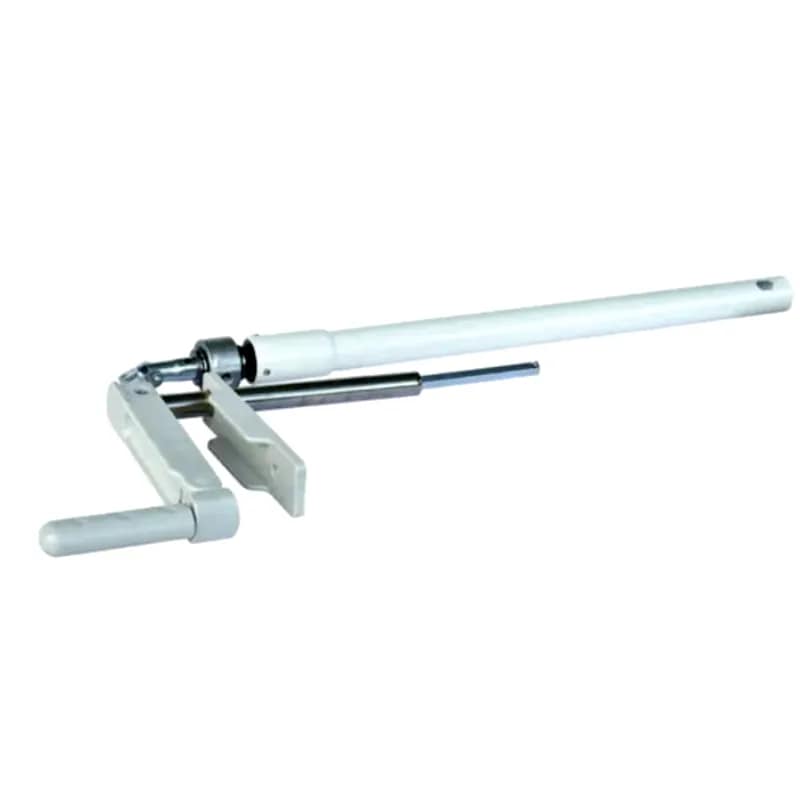
We build durable hospital bed accessories designed for tough, daily use. Our casters, guardrails, and cranks undergo rigorous testing to meet high industry standards. We recognize how much these components influence patient safety and caregiver efficiency.
2. Custom solutions and OEM capabilities for specific hospital requirements
Yingyun Hardware offers custom solutions and OEM capabilities to match unique requirements. We work closely with clients to design and produce bespoke components that integrate cleanly and perform reliably. Our expertise spans Hospital Bed Metal Parts and Custom Hospital Bed Metal Parts.
If you’re interested, check 《OEM Services for Hospital Bed Parts: Your Custom Manufacturing Partner》.
Partner with Yingyun Hardware for Your Hospital Equipment Needs
Equipping a 50-bed hospital benefits from a partner who understands healthcare infrastructure. Yingyun Hardware provides dependable hospital beds and bed accessories backed by nearly two decades of manufacturing experience. We offer durable products, custom options, and dedicated support to keep your facility efficient and safe. Contact us to discuss your requirements and explore how we can help you strengthen patient care.
Email: [email protected]
Phone: +8613528198959
FAQs
1. What are the most critical pieces of equipment for a new 50-bed hospital?
The most critical equipment for a 50-bed hospital includes patient beds, vital signs monitors, defibrillators, basic surgical instruments, X-ray and ultrasound machines, and laboratory analyzers. These items create the foundation for core patient care, emergency response, and diagnostic capabilities, allowing the hospital to meet a wide range of medical needs effectively.
2. How often should hospital equipment be replaced or upgraded?
Hospital equipment replacement or upgrade cycles are shaped by technological advancements, regulatory changes, equipment wear and tear, and maintenance costs. High-use items like patient monitors might be upgraded every 5-7 years, while larger equipment like X-ray machines could last 10-15 years with proper maintenance. Regular assessments set the optimal timing for replacement.
3. What factors should be considered when choosing a hospital equipment supplier?
When choosing a supplier, weigh product quality, regulatory compliance, warranty and after-sales support, lead times, and cost-effectiveness. A reputable supplier like Yingyun Hardware provides clear certifications, strong technical support, reliable delivery, and proven product performance.
4. Can Yingyun Hardware provide customized equipment solutions?
Yes, Yingyun Hardware provides customized equipment solutions. We offer OEM capabilities for various hospital bed components and accessories. Our engineering team collaborates with clients on tailored designs to meet specific functional requirements, material preferences, and aesthetic considerations for unique hospital environments.
5. What is the typical lead time for large orders of hospital bed components?
The typical lead time for large orders of hospital bed components from Yingyun Hardware ranges from 15 to 45 working days, depending on product complexity and order volume. For example, casters and guardrails generally have shorter lead times (15-20 days) compared to complete hospital beds (40-45 days). We confirm precise timelines upon order confirmation.