
Maintaining adjustable hospital beds is essential for patient well-being and operational efficiency in healthcare settings. From ensuring optimal hygiene to extending equipment lifespan, proper care directly impacts safety and functionality. I will provide comprehensive guidance on cleaning protocols, maintenance routines, and troubleshooting common issues, drawing on my twelve years of experience in the medical device industry.
Understanding the Importance of Adjustable Hospital Bed Maintenance
Adjustable hospital beds are critical pieces of equipment in any healthcare environment. They provide comfort and support to patients while assisting caregivers in their daily tasks. However, these beds are also subject to continuous use, making them susceptible to wear and tear and potential contamination. Proper cleaning and maintenance are not merely good practices; they are fundamental to ensuring patient safety, extending the equipment’s operational life, and maintaining hygiene standards.
1. Why regular cleaning and maintenance are crucial for patient safety
Patient safety is the paramount concern in any healthcare setting. Adjustable hospital beds, by their nature, come into direct contact with patients, making them potential vectors for infection if not properly cleaned. Regular cleaning routines eliminate pathogens, reducing the risk of healthcare-associated infections (HAIs). Furthermore, consistent maintenance ensures that all mechanical and electrical components function correctly, preventing sudden malfunctions that could harm patients or caregivers. For instance, a malfunctioning brake on a bed could lead to falls, while a faulty adjustment mechanism might cause discomfort or injury. Therefore, a proactive approach to cleaning and maintenance directly contributes to a safer environment for everyone.
2. Extending the lifespan of your hospital bed equipment
Hospital beds represent a significant investment for any facility. Regular maintenance and cleaning protect this investment by extending the equipment’s useful life. Dust, dirt, and debris can accumulate in moving parts, causing friction and accelerating wear. Similarly, corrosive cleaning agents or improper cleaning techniques can damage materials, leading to premature failure. By adhering to recommended cleaning agents and lubrication schedules, facilities can mitigate these risks. This proactive care ensures that components like casters, cranks, and bed panels remain in optimal condition, delaying the need for costly replacements.
3. Identifying common wear and tear issues in adjustable beds
Adjustable hospital beds, with their complex mechanisms and frequent use, exhibit specific patterns of wear and tear. Recognizing these issues early can prevent minor problems from escalating into major repairs or safety hazards. Common areas of concern include the moving parts, such as the adjustment mechanisms and casters, which bear constant load and movement. Electrical components in powered beds can also degrade over time, leading to intermittent functionality or complete failure. Fabric components, such as mattresses and covers, can show signs of degradation, including tears, stains, or loss of structural integrity. Regular inspections help identify these issues, allowing for timely intervention.
Essential Cleaning Protocols for Adjustable Hospital Beds
Effective cleaning protocols are vital for maintaining a hygienic environment and preventing the spread of infection. These protocols should encompass both daily routines and more intensive deep cleaning procedures, utilizing appropriate agents for different materials.
1. Daily cleaning routines for bed surfaces and frames
Daily cleaning focuses on high-touch surfaces and visible contaminants. This routine is crucial for maintaining a consistently sanitary environment.
- Remove linens: Carefully remove all bedding and linens, placing them in designated laundry bags to prevent cross-contamination.
- Wipe down surfaces: Use a clean cloth dampened with an approved disinfectant solution to wipe down all accessible surfaces of the bed, including side rails, headboards, footboards, and the bed frame.
- Pay attention to high-touch areas: Focus on areas frequently touched by patients and staff, such as control panels, bed rails, and adjustment handles.
- Clean mattress and covers: If the mattress is removable and washable, follow manufacturer guidelines for cleaning. Otherwise, wipe down the mattress cover with a disinfectant.
- Dry surfaces: Allow all surfaces to air dry completely or wipe them with a clean, dry cloth to prevent moisture buildup, which can lead to bacterial growth or corrosion.
2. Deep cleaning procedures for thorough disinfection
Deep cleaning is a more comprehensive process, typically performed periodically or when a patient is discharged. This procedure targets hidden grime and ensures thorough disinfection.
- Disassemble removable parts: Detach any removable components, such as side rails, headboards, and footboards, for individual cleaning.
- Thoroughly scrub surfaces: Use a brush or sponge with a stronger disinfectant to scrub all surfaces, paying close attention to crevices, joints, and hard-to-reach areas.
- Clean under the bed: Inspect and clean the underside of the bed frame, including the motor housing (for electric beds) and the caster assemblies.
- Disinfect all components: Ensure all parts are thoroughly disinfected according to product instructions, allowing for adequate contact time.
- Rinse and dry: Rinse all components thoroughly with clean water if required by the disinfectant, then dry completely before reassembly.
3. Recommended cleaning agents and their proper application
Selecting the correct cleaning agents is crucial to effectively eliminate pathogens without damaging the bed materials. Always follow the manufacturer’s recommendations for both the bed and the cleaning product.
- General cleaning: Mild soap and water are suitable for routine cleaning of most surfaces.
- Disinfection: Healthcare-grade disinfectants, such as quaternary ammonium compounds (quats), hydrogen peroxide, or bleach solutions, are effective against a broad spectrum of pathogens.
- Application: Apply disinfectants using a spray bottle or a clean cloth, ensuring even coverage. Allow the recommended contact time for the disinfectant to work before wiping or rinsing.
- Avoid harsh chemicals: Do not use abrasive cleaners, solvents, or highly acidic/alkaline solutions, as these can degrade plastics, paints, and metal finishes.
4. Specific cleaning considerations for different bed materials
Adjustable hospital beds are constructed from various materials, each requiring specific cleaning considerations to prevent damage and ensure longevity.
- Metal frames (steel, aluminum): These are generally robust but susceptible to rust if exposed to moisture. Use non-corrosive disinfectants and ensure thorough drying.
- Plastic components (ABS, PP): Many headboards, footboards, and side rails are made from durable plastics like ABS. These materials are resistant to many chemicals but can become brittle or discolored with harsh solvents. Use mild, pH-neutral cleaners.
- Fabric/upholstery: Mattresses and some bed panels may have waterproof or flame-retardant fabric covers. Clean these with appropriate fabric cleaners or disinfectants designed for textiles, avoiding excessive saturation.
- Electronic components: For electric beds, never spray liquids directly onto control panels, motors, or power cords. Wipe these areas gently with a damp, not wet, cloth.
Step-by-Step Maintenance Guide for Adjustable Hospital Bed Components
Beyond cleaning, regular maintenance of individual components is essential to ensure the smooth, safe, and reliable operation of adjustable hospital beds. This proactive approach helps prevent unexpected breakdowns and extends the life of the equipment.
1. Inspecting and lubricating moving parts like cranks and casters
Moving parts are particularly vulnerable to wear and tear due to constant friction and load. Regular inspection and lubrication are vital.
- Inspect cranks: For manual beds, check the cranks for any signs of bending, cracking, or difficulty in turning. Ensure the ABS crank with in-place protection or Iron crank with in-place protection operates smoothly.
- Lubricate cranks: Apply a small amount of silicone-based lubricant to the crank mechanisms and gears to reduce friction and prevent stiffness.
- Examine casters: Inspect all casters for damage, cracks, or excessive wear on the wheels. Ensure they rotate freely and that their brakes engage effectively. We offer various casters, including 5’8′ Central-locking single-face caster and 5’6′ Central-locking double-face caster.
- Clean casters: Remove any hair, lint, or debris wrapped around the caster axles, as this can impede movement and damage the wheels.
- Lubricate casters: Apply a light lubricant to the caster bearings and swivel points to ensure smooth movement and prevent squeaking.
2. Checking electrical components and power cords for safety (for electric beds)
Electric adjustable beds rely on various electrical components for their functionality. Safety checks are paramount to prevent electrical hazards.
- Visual inspection of cords: Regularly inspect power cords and plugs for fraying, cuts, or exposed wires. Replace any damaged cords immediately.
- Check control panels: Ensure all buttons and switches on control panels respond correctly and are not sticky or damaged.
- Examine motor housing: For beds with motors, visually inspect the motor housing for any signs of overheating, such as discoloration or burning smells.
- Test all functions: Operate all electrical functions of the bed (head, foot, height adjustments) to ensure they move smoothly and without unusual noises.
- Professional electrical check: Schedule periodic inspections by a qualified technician to check internal wiring and motor integrity.
3. Maintaining bed rails and head/footboards for structural integrity
Bed rails and head/footboards provide patient safety and structural support. Their integrity is crucial for preventing falls and maintaining the bed’s overall stability.
- Inspect for damage: Check bed rails, headboards, and footboards for cracks, bends, loose connections, or sharp edges.
- Test locking mechanisms: Ensure that bed rail locking mechanisms engage securely and release smoothly. For example, our High quality aluminum alloy guardrail and Horizontal tube folding guardrail are designed for durability and ease of use.
- Tighten fasteners: Periodically check and tighten all screws, bolts, and fasteners connecting these components to the bed frame.
- Clean thoroughly: Clean these surfaces as part of your daily or deep cleaning routine, paying attention to areas where dirt can accumulate.
- Replace damaged parts: Replace any severely damaged or compromised bed rails or head/footboards to maintain patient safety.

4. Ensuring proper function of bed panels and support structures
The bed panels and underlying support structures are fundamental to patient comfort and the bed’s load-bearing capacity.
- Inspect bed panels: Examine the bed panels (e.g., 820mm width 4 sections stamped bed panel, 900mm width single crank stamped bed panel) for any signs of warping, cracks, or weak spots.
- Check support connections: Verify that all connections between the bed panels and the frame are secure and free from corrosion.
- Test articulation: For adjustable beds, operate the articulation features to ensure the panels move smoothly and align correctly without binding.
- Assess mattress support: Ensure the mattress support system is intact and provides even support across the entire bed surface.
- Address unusual noises: Investigate any creaking or grinding noises during adjustment, as these can indicate issues with the support mechanisms or bed panel connections.
Troubleshooting Common Issues and Preventive Measures
Even with diligent maintenance, adjustable hospital beds may encounter operational issues. Knowing how to troubleshoot these problems and implement preventive measures can minimize downtime and extend the equipment’s life.
1. Addressing squeaks, stiffness, and other operational problems
Squeaks, stiffness, and other operational issues often indicate a need for lubrication or adjustment.
- Squeaks: Apply a silicone-based lubricant to all pivot points, joints, and moving parts, including cranks and casters. Check for loose fasteners and tighten them if necessary.
- Stiffness: If the bed is stiff to adjust, clean any accumulated debris from the mechanisms. Lubricate the gears and moving joints. For manual beds, ensure the crank mechanism is not bent or obstructed.
- Uneven movement: Check for obstructions or damage to the bed frame or panels. Ensure all casters are functioning correctly and are not locked or jammed.
- Unusual noises: Investigate the source of any grinding or clicking sounds. These may indicate worn gears, loose components, or issues with the motor in electric beds.
2. Preventing rust and corrosion on metal components
Rust and corrosion can severely compromise the structural integrity and appearance of metal bed components.
- Thorough drying: Always ensure metal surfaces are completely dry after cleaning, especially in humid environments.
- Protective coatings: Apply a thin layer of rust-inhibiting spray or wax to exposed metal parts, particularly in areas prone to moisture.
- Prompt repair of scratches: Touch up any scratches or chips in the paint or protective coatings on metal frames to prevent rust from forming.
- Regular inspection: Periodically inspect metal components for early signs of rust, especially around joints and welds.
- Use appropriate cleaners: Avoid harsh, acidic, or alkaline cleaners that can strip protective coatings from metal surfaces.
3. Tips for optimizing the performance of adjustable bed mechanisms
Optimizing bed performance involves consistent care and attention to detail.
- Follow weight limits: Adhere strictly to the manufacturer’s stated weight capacity to prevent undue stress on the bed’s mechanisms and frame.
- Even weight distribution: Encourage even weight distribution on the bed to prevent excessive strain on specific components.
- Smooth operation: Operate adjustment mechanisms smoothly and avoid sudden, jerky movements, which can stress gears and motors.
- Regular lubrication: Maintain a consistent lubrication schedule for all moving parts, including cranks and casters, to ensure smooth and efficient operation.
- Cleanliness: Keep all mechanisms free from dust, dirt, and debris, which can interfere with their function.
4. When to consider professional inspection or part replacement
While routine maintenance can address many issues, some problems require professional intervention or part replacement.
- Persistent malfunctions: If a bed function (e.g., height adjustment, backrest tilt) consistently malfunctions despite troubleshooting, it is time for professional inspection.
- Structural damage: Any significant structural damage to the bed frame, side rails, or support panels warrants immediate professional assessment.
- Electrical issues: If an electric bed experiences repeated power failures, sparks, or emits burning smells, disconnect it immediately and call a qualified technician.
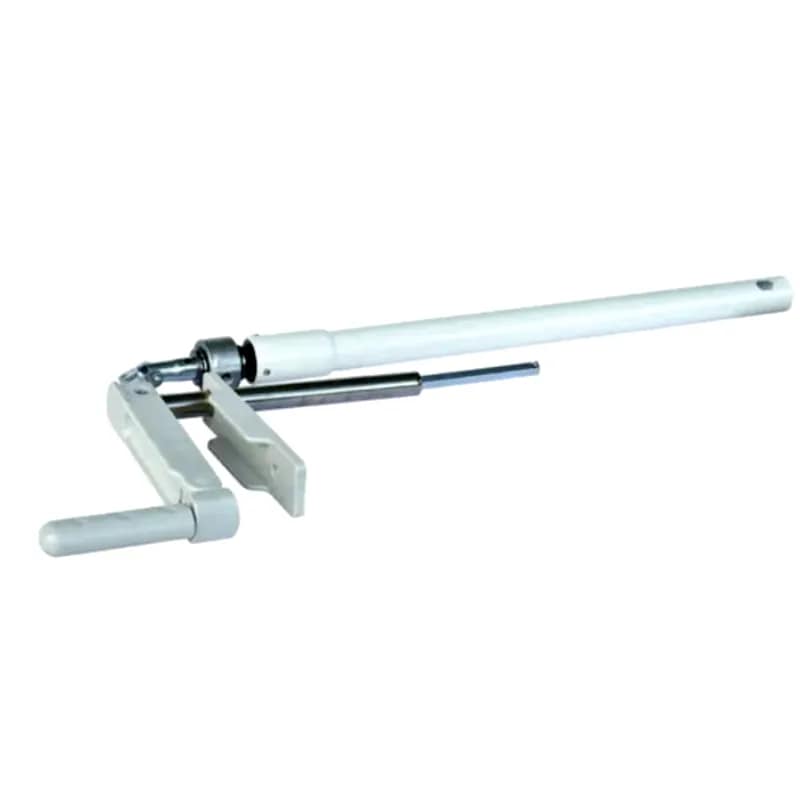
- Worn-out parts: Components like 3’4’5 Double-face caster or 3’4’5′ Full-wrapped caster that show significant wear, cracks, or no longer function effectively should be replaced. Yingyun Hardware offers a wide range of replacement parts like Universal joint and hexagonal steel and Long transmission arm.
- Warranty considerations: Consult your bed’s warranty terms. Attempting complex repairs yourself might void the warranty.
If you are experiencing issues with your hospital bed’s components, consider consulting our range of durable and reliable replacement parts. We offer high-quality solutions designed to meet stringent healthcare standards. Check out our offerings for 7 Shape Force Arm Hardware Products Precision Metal Stamping and Hook Seat of Head & Footboard.
Contact Us for Expert Support and Quality Parts
Maintaining the highest standards for your adjustable hospital beds ensures patient safety and extends the life of your valuable equipment. At ZhongShan YingYun Hardware Products Co.,Ltd, we specialize in providing durable, high-quality hospital bed components and accessories. Whether you need replacement parts, expert advice on maintenance, or are looking to upgrade your current equipment, our team is ready to assist. Contact us today to discuss your needs and discover how our products can enhance the safety and functionality of your healthcare facility.
Email: lily@yingyunmic.com
Phone: +8613528198959
About the Author
Miss Vicky, a Senior Content Editor with 12 years of experience in the medical device industry, brings a wealth of knowledge and practical insights to this guide. Her expertise ensures that the information provided is accurate, reliable, and directly applicable to maintaining high standards in healthcare equipment.
FAQs
1. How often should an adjustable hospital bed be cleaned?
Adjustable hospital beds should undergo daily cleaning for high-touch surfaces and visible contaminants. A more thorough deep cleaning procedure is recommended periodically, such as weekly, monthly, or after patient discharge, to ensure comprehensive disinfection and address hidden grime.
2. What are the best disinfectants for hospital beds?
The best disinfectants are healthcare-grade solutions like quaternary ammonium compounds, hydrogen peroxide, or bleach solutions, used according to manufacturer guidelines. Always ensure the chosen disinfectant is compatible with the bed’s materials to prevent damage.
3. Can I lubricate the moving parts of my hospital bed myself?
Yes, you can lubricate moving parts like cranks and casters yourself using a silicone-based lubricant. Ensure the bed is unplugged (for electric models) and follow the manufacturer’s instructions for lubrication points. Always clean the parts before applying lubricant.
4. What are the signs that a hospital bed component needs replacement?
Signs include visible damage like cracks or bends, persistent malfunctions despite troubleshooting, excessive noise during operation, or compromised safety features such as faulty bed rail locks or non-engaging caster brakes. Electrical issues like sparks or burning smells also indicate an urgent need for replacement or professional repair.
5. How can I prevent common issues like rust on my hospital bed?
To prevent rust, ensure all metal surfaces are thoroughly dried after cleaning. Promptly repair any scratches or chips in protective coatings. Use non-corrosive cleaning agents and consider applying rust-inhibiting sprays to vulnerable areas. Regular inspection helps catch early signs of corrosion.