
When a standard hospital bed cannot meet a facility’s specific needs—whether due to space constraints, patient demographics, or specialized care requirements—turning to an OEM design service is often the most practical path. Instead of forcing clinical workflows to fit an off-the-shelf product, the procurement team defines the bed’s dimensions, functions, materials, and safety features from the ground up. Based on my years in hospital bed manufacturing, the single most important factor in whether a custom project stays on time and budget is the clarity of the initial specification package. This article explains how OEM design service works, what information the manufacturer needs from you, and what to look for in a partner to avoid the most common pitfalls of customization.
What Hospital Bed OEM Design Service Includes
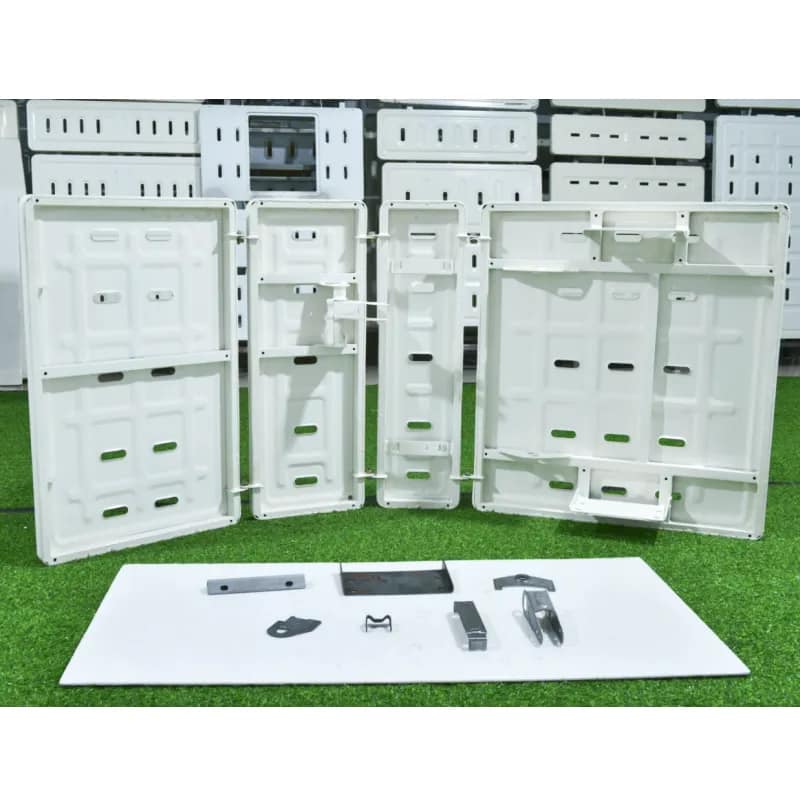
OEM design service means that the manufacturer develops a hospital bed exclusively according to your defined requirements and brand identity. It goes far beyond selecting a color from a catalog. The service typically covers product engineering assessment, custom metal stamping and fabrication, integration of the chosen functions (manual or electric), guardrail and panel design, and final assembly under your labeling. At Yingyun Hardware, we start every OEM project by reviewing the intended use environment: a tropical African hospital ward presents different corrosion challenges than a European nursing home, and the bed frame finish, casters, and electrical components must be chosen accordingly.
A common misunderstanding is that OEM simply means adjusting a few dimensions. In practice, even changing the bed width from 900 mm to 840 mm can affect the entire underframe structure, the stamped panel press tooling, and the fitting of side rails. The design service includes verifying that those changes do not compromise the bed’s load capacity or stability. Below is a summary of the major customization areas that buyers typically address.
| Customization Area | Common Options | Key Considerations |
|---|---|---|
| Bed Width and Length | 840 mm, 900 mm, custom dimensions | Must account for doorway clearance, room layout, and standard mattress sizes |
| Functions | Single-crank manual, 3-function electric, 5-function ICU with Trendelenburg | Power supply, caregiver training, and maintenance infrastructure on site |
| Bed Panel Material | Stamped willow steel, ABS plastic, stainless steel | Stamped panels offer high load capacity; ABS is lightweight and easy to clean |
| Guardrail Style | Folding, European-style, door-type, aluminum alloy | Fall prevention requirements, ease of patient egress, and compatibility with bed frame |
| Head/Footboard | ABS injection-molded, stainless steel, wood-grain finish | Durability, disinfection compatibility, and aesthetics |
| Caster Type | Full-wrapped, double-face central-locking, stainless steel | Floor surface, braking needs, and cleaning procedures |
Preparing Your Hospital Bed Specifications
The quality of the OEM design output depends directly on the detail of the input. I have learned that projects with clear early-stage documentation—room dimensions, patient weight range, required bed functions, and maintenance capability—move from quotation to production faster and with fewer unexpected change orders. Before you approach a manufacturer, prepare the following:
- The exact width and length of the bed, considering any narrow doorways or elevator dimensions in your facility.
- The necessary functions: backrest and knee rest adjustment, height adjustment, Trendelenburg and reverse Trendelenburg positions. For electric beds, specify whether you need a battery backup.
- The target patient profile: standard adult, bariatric (up to 250 kg or more), pediatric, or geriatric.
- The preferred material for bed panels, guardrails, and head/footboard. Stamped steel panels are robust and long-lasting; ABS panels simplify disinfection.
- Any safety standards or certifications required in your market: CE marking for Europe, FDA registration for the U.S., local Ministry of Health approval.
- Your yearly quantity forecast and your tolerance for MOQ (minimum order quantity). For a new OEM design, tooling investment is usually recovered over a first production run; be prepared for an MOQ in the range of 50 to 100 units per model.
Certain choices, like selecting a five-function electric bed instead of a three-function manual bed, have downstream effects on the electrical safety testing and the spare parts strategy. Early alignment on these points avoids expensive design rework.
The OEM Design and Engineering Process
A hospital bed OEM project moves through four stages. Each one has its own timeline and decision gates.
Conceptual Review and Feasibility: The manufacturer evaluates your specifications against manufacturing capabilities. Can the required bed functions be achieved with existing motor and crank system components, or does a new linkage need to be developed? This stage identifies any technical conflicts—for example, a bariatric bed that also needs a very low height adjustment range may require a stronger lift system than standard.
Detailed Engineering and 3D Modeling: Once the concept is approved, the engineering team creates a 3D model of the bed, including all metal parts, plastic components, and assembly points. This model is used to perform load and stress analysis, ensuring the bed meets the load capacity rating you require. At our facility, we run finite element analysis on the bed frame before cutting any steel, which catches weak points that are expensive to fix after tooling.
Prototyping and Tooling Preparation: A first prototype is built from production-intent materials. This prototype undergoes physical load testing—cyclic testing of the backrest, knee rest, and height adjustment mechanisms—to verify that the design meets the lifetime cycle requirements. Tooling for stamping, injection molding, and welding fixtures is prepared in parallel. The prototype also gives the buyer a chance to experience the bed’s fit and finish, and to request minor adjustments before mass production tooling is finalized.
Pilot Production and Validation: A small pilot run (typically 10-20 units) is produced on the actual production line. These units undergo full quality inspection and, if required by the buyer, third-party laboratory testing for safety standards. After successful pilot validation, the production ramp-up begins.
From my experience, the prototyping stage is where most timelines get revised. Involving the user side—nurses, biomedical engineers—early during prototype evaluation prevents late-stage requests for changes that affect already-fabricated tooling and lead to 4-6 week delays.
Quality Standards and Regulatory Compliance
Every OEM hospital bed must comply with the safety and performance standards of the destination market. For European buyers, the bed must meet the Medical Device Regulation (MDR) 2017/745 and applicable parts of EN 60601-2-52 for medical beds. For U.S. healthcare facilities, FDA 510(k) clearance is typically required, and the bed should comply with IEC 60601-2-52 and relevant UL standards. For African and Middle Eastern markets, a CE certification from the manufacturer is often accepted, but some countries require additional local registration.
Beyond regulatory approval, I look at three practical quality indicators during factory assessment:
- Load capacity testing: The bed should be tested at 125% to 150% of its rated safe working load without permanent deformation. A bed rated for 250 kg must survive at least 312 kg in a static load test.
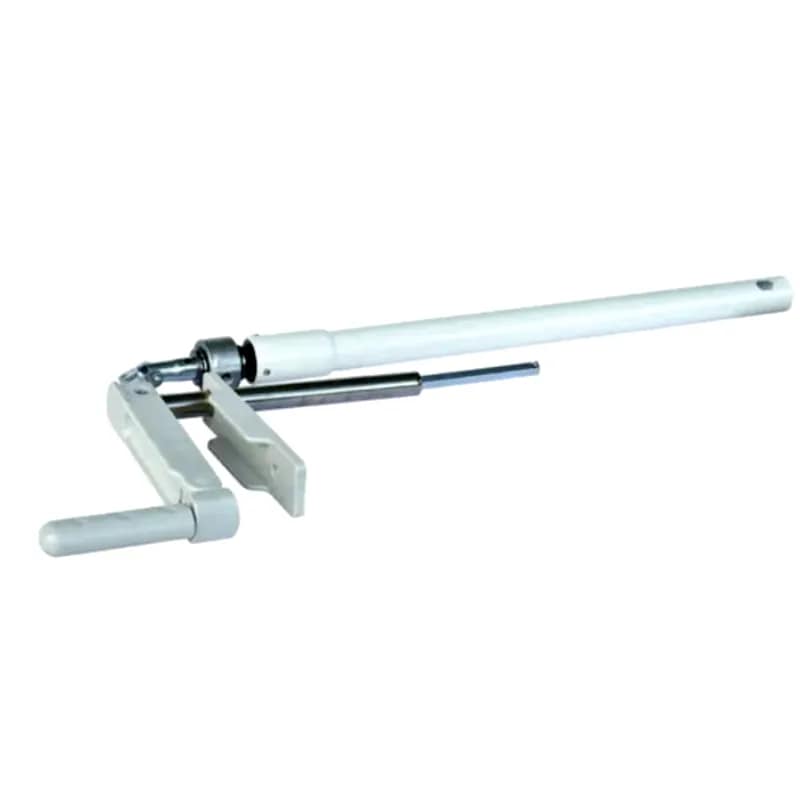
- Cycle testing: The adjustment mechanisms should withstand a minimum of 10,000 to 20,000 cycles without failure. This simulates years of daily use. We run backrest and knee rest mechanisms on our test fixtures continuously to validate the transmission parts and crank systems.
- Surface treatment and corrosion resistance: For tropical or coastal environments, components must have appropriate anti-corrosion coatings. Stamped bed panels that will be exposed to frequent cleaning with disinfectants need a powder coating that resists chemical degradation.
Regulatory paperwork is only one part of the picture. A manufacturer’s willingness to share internal test reports—not just the final certificate—says more about their quality system. <Choosing a Reliable Hospital Bed Parts Manufacturer: A Comprehensive Guide> covers the red flags to spot during factory visits, from undocumented process changes to inconsistent welding quality.

Comparing Costs and Timelines
OEM bed pricing has three main components: tooling and development cost, unit manufacturing cost, and logistics. For a new design with custom stamped bed panels and moldings, tooling can range from $5,000 to $20,000 depending on the complexity of the metal parts and plastic injection molds. This cost is typically amortized over the first production order, so a larger initial order lowers the per-unit tooling allocation.
Unit cost depends heavily on the bed’s function and materials. A manual single-crank bed with stamped steel panels is the most economical. Adding electric functions with multiple motors, an ABS headboard with anti-collision corners, and aluminum alloy side rails raises the cost proportionally. The table below gives a rough cost comparison for different functional configurations, based on a 50-unit OEM order.
| Bed Configuration | Estimated FOB Unit Price Range (USD) | Main Cost Drivers |
|---|---|---|
| Single-crank manual, stamped steel panels | $180 – $240 | Material cost, simple tooling |
| Triple-crank manual, ABS panels | $280 – $350 | Additional crank mechanisms, ABS molding |
| Three-function electric, height adjustment | $420 – $550 | Electric motors, control system, battery |
| Five-function electric, ICU features | $650 – $850 | Five motors, nurse control panel, side rail integration |
Lead time for the first OEM order after design approval is typically 40–60 working days, comprised of tooling fabrication (15–20 days), pilot production and testing (10–15 days), and mass production (15–25 days). Supply chain disruptions for components like motors or special casters can extend this. We always advise buyers to build a 4-week buffer into their project plan for the first shipment.
Lead time is often the biggest variable in an OEM project. <Understanding Lead Times for Hospital Bed Parts Manufacturing> explains how component procurement, surface treatment, and assembly sequencing add weeks to a schedule, and why manufacturers with in-house metal stamping and welding control those timelines more tightly.
If your program requires a specific delivery date for a hospital opening or renovation, it is worth confirming the complete production schedule with a buffer before committing to any design freezes. A small change in guardrail design three weeks into tooling fabrication can push the delivery out by another month. At our facility, we lock the design after prototype sign-off, and any subsequent changes are treated as a change order with a new timeline.

Selecting a Hospital Bed OEM Partner
Choosing the right manufacturer for your OEM bed project is about more than comparing unit prices. I recommend evaluating potential partners on four criteria:
- Vertical integration: A manufacturer that performs its own metal stamping, welding, and powder coating has better control over quality and lead times than one that outsources these steps. Ask about the production processes done in-house and verify during a factory visit.
- Previous OEM experience: Ask for examples of custom beds the factory has produced for other markets and, if possible, request contact with a reference customer. A factory that has delivered OEM beds for hospitals with different regional standards is better equipped to navigate your specific requirements.
- Quality management system: ISO 13485 certification for medical devices is the gold standard. If the manufacturer does not hold it, ask about their internal quality control procedures: incoming material inspection, in-process checks during welding and assembly, and final bed testing.
- Communication and engineering support: During the design phase, you need a single point of contact who understands the engineering trade-offs and can give realistic feasibility assessments. A manufacturer that responds with technical detail, not marketing promises, is the one you can rely on.
After you identify a shortlist, the next step is to send your specification document to each candidate and compare their technical proposals, not just their price quotations. The proposal should include a bill of materials, a timeline, and a description of how they will verify compliance with your required safety standards.
Coordinating Your Hospital Bed OEM Project
Sending a part number or a basic specification drawing to the right engineering team is often the fastest way to get a realistic quotation. I have worked with hospital groups that saved months by providing a complete room layout and a target patient profile at the very first inquiry stage.
If you are planning a custom hospital bed for a new facility or a fleet upgrade, we can review your specification and provide a detailed feasibility assessment, including tooling cost, unit pricing, production timeline, and compliance verification. Share your requirements with our engineering team at [email protected] or call +8613528198959, and we will confirm the next steps within two working days.
Common Questions About Hospital Bed OEM Design
What is the minimum order quantity for a custom hospital bed?
MOQ for a full OEM bed typically starts at 50 units because of the tooling investment. However, if you can adapt an existing bed platform and only need cosmetic changes or specific color matching, the MOQ can be lower. I have seen projects where a buyer needed only 30 units, but we were able to use existing stamping dies and only create new injection molds for the headboard, which reduced the tooling cost. The best approach is to share your volume early so we can propose the most cost-effective manufacturing strategy.
How long does it take from design approval to first delivery?
Plan for 40 to 60 working days for a complete OEM bed after design freeze. The tooling stage alone takes 15–20 working days because of the lead time to machine and polish stamping dies and injection molds. Pilot production, testing, and mass production add another 25–40 working days. I recommend adding a 4-week buffer for the first order to account for any unforeseen issues in the supply chain.
Can I match an existing bed design or color scheme?
Yes, color matching of powder coating for metal parts, as well as ABS plastic components, is a standard part of our OEM service. We can also replicate specific functional configurations, such as a particular range of backrest angle or a specific guardrail locking mechanism. However, we do not copy patented designs. If you require a bed that is functionally identical to an existing brand but with your own labeling and possibly cosmetic changes, we review the patent landscape first to ensure compliance.
What safety certifications does an OEM manufacturer need?
For the European market, CE marking under the Medical Device Regulation is mandatory, and the bed should comply with EN 60601-2-52. For U.S. markets, FDA 510(k) clearance is typically required. Many other countries accept CE or FDA as a basis for local registration. Beyond certificates, I always advise buyers to verify that the manufacturer performs in-house load and cycle testing and is willing to share those test reports. A certificate alone does not guarantee that every bed off the line meets the same standard.
Do you provide spare parts for custom beds after delivery?
Yes, we maintain an inventory of critical spare parts for all OEM beds we produce, including motor mounting seats, crank handles, casters, and side rail components. I recommend that buyers order an initial spare parts package covering 2–3% of the fleet value for the first year of operation. This package typically includes high-wear items such as casters and locking mechanisms. Share your bed specifications and expected fleet size, and we can prepare a recommended spare parts list together.
If you’re interested, check out these related articles:
Ensuring Quality Control in Hospital Bed Parts: A Comprehensive Guide
What is an Adjustable Hospital Bed and How Does It Work: A Comprehensive Guide