
Adjustable hospital beds are essential medical equipment. They provide comfort, safety, and therapeutic benefits for patients. Understanding their functions and types helps in selecting the right bed for various care settings.
Understanding Adjustable Hospital Beds
Defining the Modern Hospital Bed
A modern hospital bed is specifically designed for hospitalized patients or individuals requiring medical care. These beds offer features beyond standard residential beds. They prioritize patient comfort, recovery, and caregiver efficiency. Key elements include adjustable sections, safety rails, and mobility features.
The Core Purpose of Adjustability
The primary purpose of adjustability in hospital beds is to enhance patient well-being and facilitate care. Adjustments allow for optimal positioning, which aids in recovery, prevents complications, and improves overall comfort. For caregivers, adjustability reduces physical strain and streamlines daily tasks.
How Adjustable Hospital Beds Function
Adjustable hospital beds operate through various mechanisms. These mechanisms allow for precise positioning of the patient. Both manual and electric systems are commonly used, each with distinct advantages.
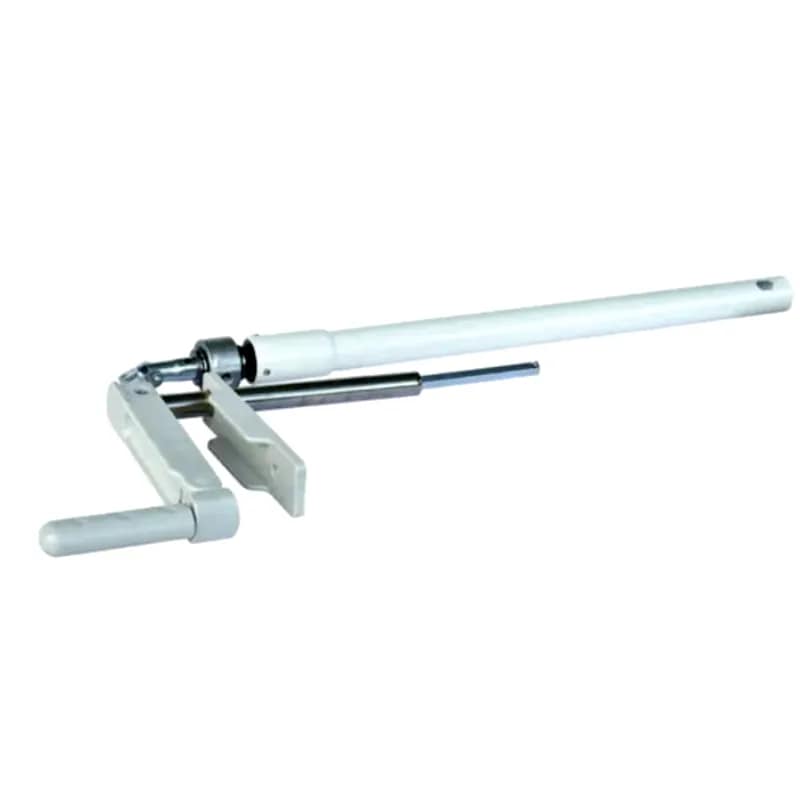
Mechanisms of Adjustment: Manual vs. Electric Systems
Manual adjustable beds typically use hand cranks to change bed positions. These systems are reliable and cost-effective. They do not require electricity, making them suitable for areas with unreliable power. However, manual adjustments can be physically demanding for caregivers. For example, a ABS crank with in-place protection or Iron crank with in-place protection would be used to adjust bed sections.
Electric adjustable beds utilize motors and electronic controls for effortless adjustments. Patients or caregivers can change positions with the push of a button. This system offers greater convenience and precision. It significantly reduces the physical burden on caregivers. Electric beds often come with advanced features, such as pre-programmed positions.
Key Adjustable Features and Their Operations
Adjustable hospital beds incorporate several features to meet diverse patient needs. Each feature serves a specific therapeutic or practical purpose.
Backrest Tilting for Patient Comfort
Backrest tilting allows the upper body section of the bed to be raised or lowered. This feature helps patients sit up for meals, reading, or social interaction. It also aids in respiratory function and reduces the risk of aspiration. The backrest can typically tilt up to 75 degrees, providing a wide range of comfortable positions.
Knee Board Tilting for Leg Support
Knee board tilting elevates the knee section of the bed. This adjustment supports the patient’s legs, improving circulation and reducing pressure on the lower back. It also helps prevent patients from sliding down the bed when the backrest is elevated. The knee board often tilts up to 40 degrees.
Height Adjustment for Caregiver Ergonomics
Bed height adjustment allows the entire bed frame to be raised or lowered. This feature is crucial for caregiver ergonomics, reducing bending and lifting strain. It also enables patients to get in and out of bed more easily, promoting independence and reducing fall risks. The height can typically adjust from 40 cm to 80 cm.
Trendelenburg and Reverse Trendelenburg Positions
Some advanced adjustable beds offer Trendelenburg and Reverse Trendelenburg positions.
* Trendelenburg position: The patient’s head is lower than their feet. This position is used in specific medical conditions, such as hypotension or certain surgical procedures.
* Reverse Trendelenburg position: The patient’s head is higher than their feet. This position can help reduce intracranial pressure or improve respiratory function.
Types of Adjustable Hospital Beds
Adjustable hospital beds come in various configurations. These configurations cater to different levels of care and patient requirements.
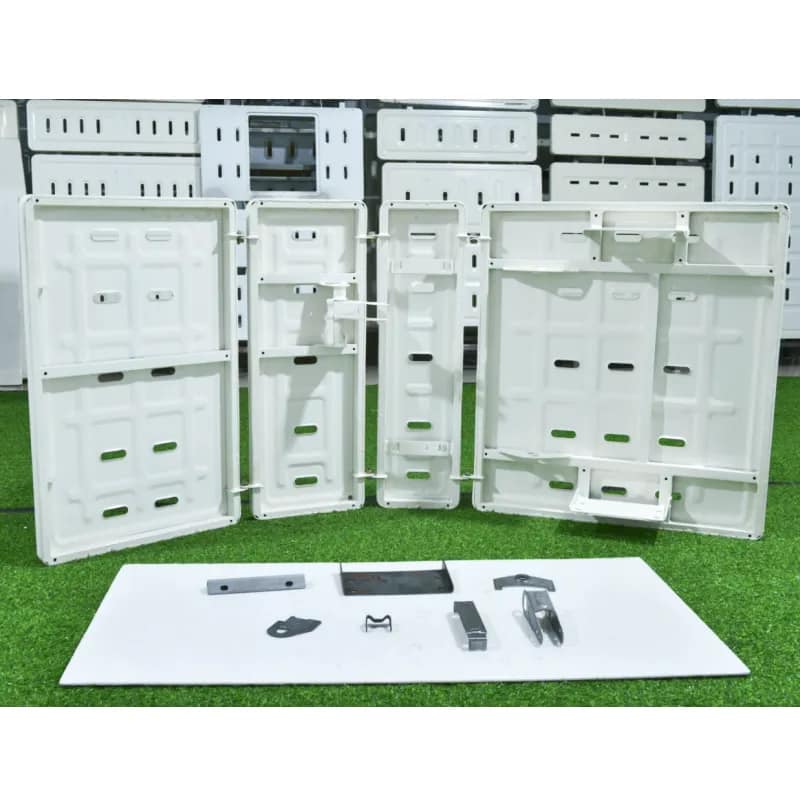
Manual Adjustable Hospital Beds
Manual adjustable hospital beds rely on hand cranks for position changes. They are a practical choice for home care settings where budget or electrical access might be a concern. These beds often feature two or three cranks to adjust the backrest, knee board, and sometimes the bed height. For instance, a Manual Single crank hospital bed and metal parts provides back elevation, while a Manual double cranks hospital bed and metal parts offers both back and knee adjustments. A Manual three function hospital bed and metal parts adds full bed height adjustment.
Electric Adjustable Hospital Beds
Electric adjustable hospital beds use electric motors for all adjustments. They offer superior convenience and ease of use, making them ideal for hospitals and long-term care facilities. These beds typically include a remote control for patients and caregivers. Examples include a Electric two function hospital bed and metal parts for basic back and leg adjustments, a Electric three function hospital bed and metal parts for height adjustment, and a Electric five function hospital bed and metal parts for advanced positioning like Trendelenburg.
Specialty Adjustable Beds
Specialty adjustable beds are designed for specific medical needs. These beds offer advanced features beyond standard adjustments. Examples include bariatric beds for heavier patients, low beds for fall prevention, and critical care beds with integrated therapy functions like lateral rotation. These specialized beds ensure optimal care for complex patient conditions.
Benefits of Using Adjustable Hospital Beds
Adjustable hospital beds offer significant advantages for both patients and healthcare providers. These benefits contribute to better health outcomes and improved operational efficiency.
Enhancing Patient Comfort and Recovery
Adjustable beds allow patients to find the most comfortable positions. This reduces pain and improves sleep quality. Proper positioning also aids in faster recovery by supporting circulation and reducing pressure points. The ability to easily change positions helps prevent bedsores and muscle stiffness.
Improving Caregiver Efficiency and Safety
Caregivers benefit from the ergonomic design of adjustable beds. Height adjustments minimize bending and lifting, reducing the risk of back injuries. Electric controls simplify patient repositioning, saving time and effort. This efficiency allows caregivers to focus more on direct patient care.
Preventing Complications and Promoting Health
Adjustable beds play a crucial role in preventing various complications. Elevating the head can reduce the risk of aspiration pneumonia. Adjusting the foot section improves blood flow, preventing deep vein thrombosis. The overall flexibility of these beds supports a proactive approach to patient health management.
Choosing the Right Adjustable Hospital Bed
Selecting the appropriate adjustable hospital bed requires careful consideration of several factors. These factors include the care setting, patient needs, and specific features.
Factors to Consider for Different Settings
- Home Care: Manual adjustable beds are often sufficient for basic needs. They are more affordable and do not require complex electrical setups. Consider a Manual Single crank hospital bed and metal parts for simple back adjustments.
- Hospitals/Clinics: Electric adjustable beds are preferred for their ease of use and advanced features. They support a higher volume of patients and diverse medical requirements. A Electric three function hospital bed and metal parts offers comprehensive adjustments.
- Long-Term Care Facilities: A balance of electric and manual options might be suitable, depending on resident mobility and care intensity.
Safety Features and Accessories
Safety is paramount when choosing a hospital bed. Look for features such as:
* Side Rails: These prevent accidental falls. Options include High quality aluminum alloy guardrail or Horizontal tube folding guardrail for enhanced protection.
* Locking Casters: Ensure the bed remains stationary when needed. Many beds feature 5’6′ Central-locking double-face caster or 5’8′ Central-locking single-face caster for secure positioning.
* Emergency Stop Button: Allows for immediate cessation of bed movement in critical situations.
* Battery Backup: For electric beds, a battery backup ensures functionality during power outages.
Accessories further enhance bed functionality:
* IV Poles: Essential for administering fluids and medications. A 4 hooks IV Pole provides multiple attachment points.
* Overbed Tables: Offer a convenient surface for meals and activities. An ABS desktop overbed table is a practical choice.
* Trapeze Bars: Assist patients with repositioning themselves.
| Feature | Manual Beds | Electric Beds | Specialty Beds |
|---|---|---|---|
| Adjustment Method | Hand cranks | Electric motors | Electric motors, advanced controls |
| Cost | Lower | Moderate to High | High |
| Ease of Use | Requires physical effort | Effortless | Effortless, specialized functions |
| Power Dependency | None | High | High |
| Common Applications | Home care, basic needs | Hospitals, long-term care | Critical care, bariatric, specific medical conditions |
Explore Our Solutions
We offer a diverse range of adjustable hospital beds and accessories designed to meet various healthcare needs. Our products prioritize patient comfort, caregiver convenience, and long-term durability. We provide solutions for both manual and electric systems, ensuring high standards of quality and safety.
FAQs
What are the main differences between manual and electric adjustable hospital beds?
Manual adjustable beds use hand cranks for adjustments, offering a cost-effective solution without requiring electricity. Electric adjustable beds utilize motors and electronic controls, providing effortless adjustments and often including advanced features. The choice depends on specific care needs and budget.
How do adjustable hospital beds improve patient recovery?
Adjustable hospital beds improve patient recovery by allowing for optimal positioning. This reduces pressure points, enhances circulation, and supports respiratory function. The ability to change positions frequently helps prevent complications like bedsores and promotes overall comfort, leading to faster healing.
What safety features should I look for in an adjustable hospital bed?
Key safety features include sturdy side rails to prevent falls, locking casters for bed stability, and an emergency stop button for electric models. Additionally, anti-entrapment features and durable construction materials are crucial for patient protection.
Can adjustable hospital beds be used in home care settings?
Yes, adjustable hospital beds are widely used in home care settings. Manual models are often preferred for their simplicity and lower cost, while electric models offer greater convenience for patients and caregivers, especially for those with limited mobility.
What maintenance is required for adjustable hospital beds?
Regular maintenance for adjustable hospital beds includes cleaning, inspecting moving parts for wear, and checking electrical components for electric models. Lubricating cranks and ensuring all safety features function correctly are also important for optimal performance and longevity.
Keywords
adjustable hospital bed, hospital bed functions, manual adjustable beds, electric adjustable beds, bed height adjustment