
Understanding the Need for Advanced Patient Care Solutions
Traditional hospital beds often present significant challenges. Patients can experience discomfort, limited mobility, and increased risk of complications. Caregivers also face physical strain during patient repositioning and transfers.
Adjustable hospital beds address these issues directly. They enhance patient comfort and safety while improving caregiver efficiency. These beds are essential for modern healthcare.
The Challenges of Traditional Hospital Beds
Static beds restrict patient movement, leading to various health problems. These include pressure ulcers, poor circulation, and respiratory difficulties. Patients often struggle to find comfortable positions. This negatively impacts their recovery and overall well-being. Caregivers also encounter ergonomic challenges, increasing their risk of injury.
How Adjustable Beds Address Patient and Caregiver Needs
Adjustable beds offer dynamic positioning capabilities. They allow for precise adjustments to backrests, leg rests, and bed height. This flexibility accommodates diverse patient needs and medical conditions. Caregivers benefit from reduced physical effort during daily tasks. This leads to a safer and more efficient care environment.
Enhancing Patient Comfort and Well-being with Adjustable Beds
Adjustable hospital beds significantly improve patient comfort and facilitate recovery. Their versatile features cater to individual needs, promoting a more positive patient experience.
Optimizing Body Positioning for Pain Relief and Pressure Ulcer Prevention
Proper body alignment is crucial for patient comfort and health. Adjustable beds allow caregivers to easily modify the bed’s contours. This helps alleviate pressure points and reduce pain. The ability to frequently change positions minimizes the risk of developing pressure ulcers. This is a common complication in bedridden patients.
Facilitating Easier Breathing and Improved Circulation
Elevating the head section can significantly ease breathing for patients with respiratory issues. Raising the foot section promotes better blood flow, aiding circulation. These adjustments are vital for patients with cardiovascular or pulmonary conditions. They contribute to improved oxygenation and reduced swelling.
Promoting Independence and Mental Health Through Adjustability
Adjustable beds empower patients by allowing them to control their position. This small degree of independence can greatly boost morale and mental well-being. Patients can adjust their position for reading, eating, or interacting with visitors. This fosters a sense of autonomy during recovery.
Streamlining Caregiver Tasks and Improving Efficiency
Adjustable hospital beds are not just beneficial for patients; they are indispensable tools for caregivers. They significantly reduce the physical demands of patient care.
Reducing Physical Strain and Risk of Injury for Staff
Caregivers frequently lift and reposition patients, leading to musculoskeletal injuries. Adjustable beds mitigate this risk by automating many of these movements. Features like height adjustment and trendelenburg positions reduce manual handling. This protects staff and improves workplace safety.
Simplifying Patient Transfers and Repositioning
Transferring patients from bed to wheelchair or stretcher becomes safer and easier with adjustable beds. The ability to raise or lower the bed to the exact height of the transfer surface streamlines the process. This minimizes patient discomfort and the potential for falls.
Integrating with Other Medical Equipment for Comprehensive Care
Modern adjustable beds are designed to integrate seamlessly with various medical devices. This includes IV poles, oxygen tanks, and monitoring equipment. This integration ensures that all necessary care components are readily accessible. This creates a cohesive and efficient care environment.

The Diverse Range of Adjustable Hospital Beds and Their Features
Adjustable hospital beds come in various configurations, each designed to meet specific care requirements. Understanding these options is crucial for selecting the appropriate bed.
Exploring Manual Adjustable Beds for Basic Needs
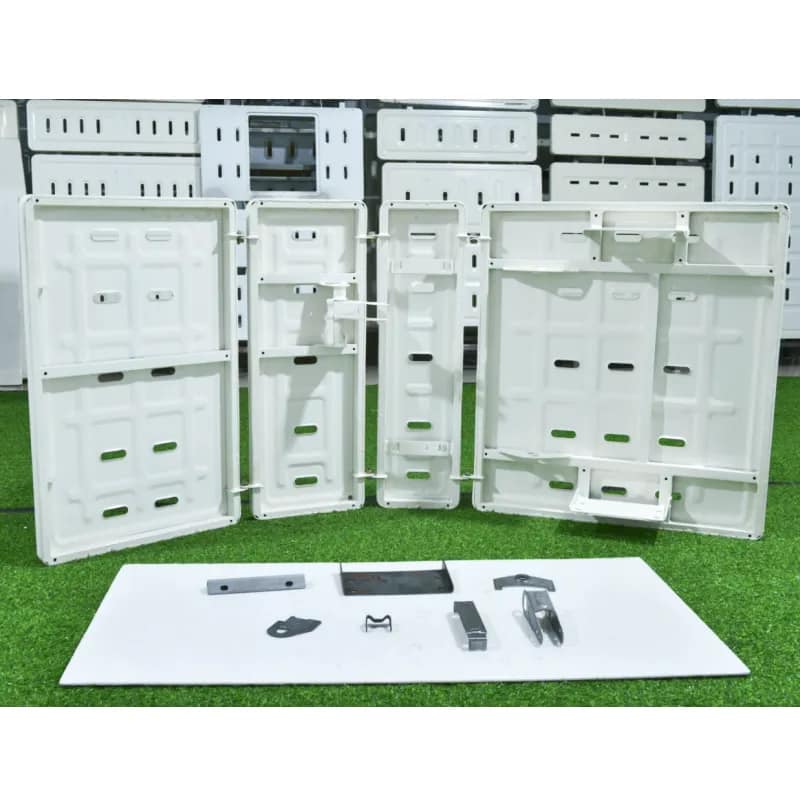
Manual adjustable beds rely on hand cranks for position changes. They offer essential back and leg elevation functions. These beds are cost-effective and suitable for basic patient care where frequent adjustments are not critical. They are ideal for settings with limited power access or budget constraints. We offer Manual Single crank hospital bed and metal parts and Manual double cranks hospital bed and metal parts.
Benefits of Electric Two, Three, and Five-Function Beds
Electric adjustable beds provide greater convenience and precision.
* Two-Function Beds: These beds offer electric control for backrest and overall bed height adjustments. They are suitable for general wards. Our Electric two function hospital bed and metal parts are a cost-effective choice.
* Three-Function Beds: Adding leg rest adjustment, these beds provide enhanced patient comfort and therapeutic positioning. They balance treatment and nursing efficiency. Our Electric three function hospital bed and metal parts are a mainstream option for economical wards.
* Five-Function Beds: These advanced beds include backrest, leg rest, overall lift, and Trendelenburg/Reverse Trendelenburg positions. They are ideal for high-acuity environments like ICUs. Our Electric five function hospital bed and metal parts offer comprehensive care.
Specialized Features for Enhanced Patient Outcomes
Beyond basic adjustments, many beds offer specialized features. These include integrated scales, bed exit alarms, and lateral rotation therapy. These features further enhance patient safety and therapeutic efficacy. They also reduce the workload on nursing staff.
| Feature Type | Manual Beds | Electric 2-Function | Electric 3-Function | Electric 5-Function |
|---|---|---|---|---|
| Backrest Adj. | Yes | Yes | Yes | Yes |
| Leg Rest Adj. | Yes | No | Yes | Yes |
| Height Adj. | Yes | Yes | Yes | Yes |
| Trendelenburg | No | No | No | Yes |
| Power Outage | Fully Func. | Manual Override | Manual Override | Manual Override |
| Cost | Low | Moderate | Moderate-High | High |
Choosing the Right Adjustable Hospital Bed for Specific Environments
Selecting the appropriate adjustable hospital bed depends on the specific care environment and patient needs. Each setting has unique requirements that influence bed choice.
Considerations for ICU and General Wards
In Intensive Care Units (ICUs), beds with advanced features are critical. Patients in ICUs often require frequent repositioning and specialized therapies. Electric five function hospital bed and metal parts are essential for managing complex patient conditions. General wards may utilize Electric two function hospital bed and metal parts or Electric three function hospital bed and metal parts for routine care. These beds provide necessary comfort and basic adjustability.
Home Care Mobility and Rehabilitation Centers
For home care, ease of use and patient independence are paramount. Manual or basic electric beds are often preferred. They balance functionality with user-friendliness. Rehabilitation centers benefit from beds that facilitate patient transfers and therapeutic exercises. Beds that can be lowered significantly aid patient mobility.
The Role of Accessories in Maximizing Bed Utility
Bed accessories enhance functionality and patient safety. ABS dinnig board for hospital bed provide a convenient surface for meals and activities. High quality aluminum alloy guardrail prevent falls and ensure patient security. 5’8′ Central-locking single-face caster and 5’6′ Central-locking double-face caster ensure smooth and silent mobility. These accessories customize the bed to individual patient needs.

Discover Our Advanced Hospital Bed Solutions
Explore our comprehensive range of adjustable hospital beds and accessories. We offer innovative solutions designed to enhance patient comfort and streamline caregiver tasks. Contact us today for a consultation or to learn more about our products.
About the Author
Miss Vicky, Senior content editor, has 12 years of experience in the medical device industry. Her expertise lies in developing content that highlights practical solutions and benefits for healthcare providers and patients. She is committed to delivering accurate and valuable information on medical equipment.
FAQs
What are the primary benefits of an adjustable hospital bed for patient recovery?
Adjustable hospital beds enhance patient recovery by offering customizable positioning. This improves comfort, reduces pain, and prevents complications like pressure ulcers. They also facilitate easier breathing and circulation, contributing to overall well-being.
How do adjustable hospital beds help prevent pressure sores?
Adjustable beds prevent pressure sores by allowing frequent changes in patient position. This redistributes pressure, preventing prolonged stress on vulnerable areas. Features like alternating pressure mattresses further aid in pressure relief.
Can adjustable hospital beds be used in home care settings?
Yes, adjustable hospital beds are widely used in home care settings. They provide essential support for patients recovering at home or managing chronic conditions. Both manual and electric models are available to suit various needs and budgets.
What are the differences between manual and electric adjustable hospital beds?
Manual beds use hand cranks for adjustments, offering basic back and leg elevation. Electric beds use motors for automated adjustments, often including height, back, and leg sections. Electric beds provide greater convenience and precision.
How do adjustable beds improve caregiver safety and efficiency?
Adjustable beds improve caregiver safety by reducing the need for manual lifting and repositioning. Electric controls minimize physical strain and the risk of injury. They also streamline patient transfers, making care tasks more efficient.
Keywords
Adjustable Hospital Beds: Patient comfort, caregiver efficiency, pressure ulcer prevention, patient mobility, medical equipment