
Understanding the Investment in Adjustable Hospital Beds
Adjustable hospital beds are critical for patient comfort, recovery, and caregiver convenience. These specialized beds offer various features that cater to diverse medical needs. Understanding their cost involves examining different types, features, and long-term considerations.
1. Why Adjustable Hospital Beds are a Crucial Investment
Adjustable hospital beds provide significant benefits for patients requiring extended care or specific positioning. They enhance patient dignity and comfort. These beds also reduce the physical strain on caregivers. The ability to adjust bed sections supports various medical conditions and recovery processes.
2. Key Factors Influencing the Price of Hospital Beds
Several elements dictate the price of an adjustable hospital bed. These include the bed’s type, materials, features, and brand. Additional accessories and warranty options also play a role. We will explore these factors in detail to provide a comprehensive cost overview.
Breaking Down the Costs: Types of Adjustable Hospital Beds
Adjustable hospital beds come in various configurations, each with distinct pricing tiers. The level of automation and specialized functions directly impacts the overall cost. We categorize them into manual, semi-electric, full-electric, and specialized beds.
1. Manual Adjustable Hospital Beds: Affordability and Simplicity
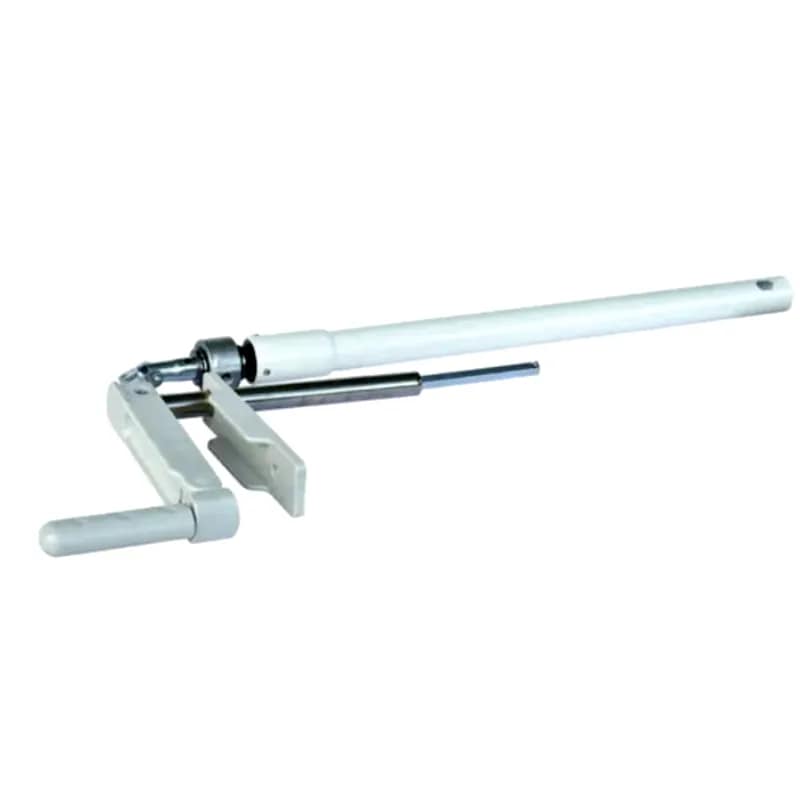
Manual adjustable hospital beds are the most economical option. They rely on hand cranks to adjust the bed’s head, foot, and sometimes height. These beds are ideal for patients with minimal adjustment needs or when budget is a primary concern. They require caregiver assistance for adjustments.
* Average Cost Range: $500 – $1,500
* Pros: Lower initial cost, no electricity needed, simple operation.
* Cons: Requires physical effort for adjustments, limited features.
For instance, a [Manual Single crank hospital bed and metal parts](https://hospitalbedaccessories.com/product/manual-single-crank-hospital-bed-and-metal-parts/) offers basic back lift functionality. Similarly, a [Manual double cranks hospital bed and metal parts](https://hospitalbedaccessories.com/product/manual-double-cranks-hospital-bed-and-metal-parts/) provides both back and knee lift adjustments. A [Manual three function hospital bed and metal parts](https://hospitalbedaccessories.com/product/manual-three-function-hospital-bed-and-metal-parts/) offers comprehensive manual adjustability.

2. Semi-Electric Adjustable Hospital Beds: Balancing Cost and Convenience
Semi-electric beds offer a middle ground between manual and full-electric models. They typically feature electric controls for adjusting the head and foot sections. The bed’s height, however, is still adjusted manually via a hand crank. These beds provide increased independence for patients.
* Average Cost Range: $1,000 – $2,500
* Pros: Electric adjustments for patient comfort, more affordable than full-electric.
* Cons: Manual height adjustment still requires caregiver effort.
3. Full-Electric Adjustable Hospital Beds: Advanced Features and Higher Investment
Full-electric adjustable hospital beds offer complete electronic control over all bed functions. This includes adjusting the head, foot, and overall bed height with the push of a button. They provide maximum convenience for both patients and caregivers. These beds are often preferred for long-term care settings.
* Average Cost Range: $2,000 – $5,000
* Pros: Full electronic control, enhanced patient independence, reduced caregiver strain.
* Cons: Higher cost, requires electricity, more complex maintenance.
We offer various full-electric models, such as the [Electric two function hospital bed and metal parts](https://hospitalbedaccessories.com/product/electric-two-function-hospital-bed-and-metal-parts/) for basic electric adjustments. The [Electric three function hospital bed and metal parts](https://hospitalbedaccessories.com/product/electric-three-function-hospital-bed-and-metal-parts/) provides additional functionality. For advanced needs, the [Electric five function hospital bed and metal parts](https://hospitalbedaccessories.com/product/electric-five-function-hospital-bed-and-metal-parts/) offers comprehensive control.
4. Specialized Hospital Beds: Meeting Unique Patient Needs
Specialized hospital beds are designed for specific medical conditions or patient requirements. These can include bariatric beds for heavier patients, low beds for fall prevention, or beds with advanced therapeutic features like air mattresses for pressure ulcer prevention. These beds come with a significantly higher price tag due to their advanced engineering and features.
* Average Cost Range: $3,000 – $15,000+
* Examples: Bariatric beds, Trendelenburg beds, low-height beds, beds with built-in scales.
* Pros: Tailored to specific medical needs, superior patient outcomes.
* Cons: Very high cost, specialized maintenance.
What Drives the Price? Features and Customizations
The cost of an adjustable hospital bed is not solely determined by its basic type. Numerous features and customization options significantly influence the final price. Understanding these factors helps in making an informed purchasing decision.
1. Material and Construction Quality
The materials used in a hospital bed’s construction directly impact its durability and price. High-grade steel frames, advanced plastics like ABS, and specialized finishes contribute to longevity and hygiene. Beds made with superior materials typically cost more but offer better performance and lifespan.
* Example: Beds with 304 stainless steel components offer enhanced corrosion resistance.
* Impact: Better materials mean greater durability and often higher weight capacity.
2. Advanced Features and Technology
Modern adjustable hospital beds incorporate various technological advancements. These include integrated scales, nurse call systems, under-bed lighting, and programmable positioning memory. Beds with more advanced electronics and smart features will naturally be more expensive.
* Examples: Advanced motor systems for smoother adjustments, integrated pressure relief mattresses.
* Consideration: Evaluate which features are essential for the patient’s specific care needs.
3. Brand Reputation and Warranty
Established brands often command higher prices due to their reputation for quality, reliability, and customer service. A comprehensive warranty indicates manufacturer confidence in their product. Longer warranties can provide peace of mind but may also be factored into the initial purchase price.
* Benefit: Reputable brands typically offer better support and easier access to spare parts.
* Tip: Always check the warranty details for coverage and duration.
4. Essential Accessories and Their Costs
Beyond the bed itself, several accessories are often necessary, adding to the overall expense. These can include specialized mattresses, side rails, overbed tables, and IV poles.
* Mattresses: Pressure-relieving mattresses (e.g., air mattresses) can cost from $500 to $3,000+.
* Side Rails: Options like High quality aluminum alloy guardrail or Horizontal tube folding guardrail enhance patient safety.
* Overbed Tables: A ABS desktop overbed table provides a convenient surface for meals and activities.
* IV Poles: Accessories such as a 4 hooks IV Pole or a 2 hooks IV Pole are crucial for intravenous therapy.
* Other Accessories: Bedside cabinets like the ABS bedside cabinet offer storage.
Beyond the Purchase Price: Long-Term Ownership Costs
The initial purchase price is only one component of the total cost of owning an adjustable hospital bed. Long-term ownership involves additional expenses that buyers should consider. These include delivery, installation, maintenance, and potential repairs.
1. Delivery and Installation Expenses
Hospital beds are large and heavy, often requiring specialized delivery and professional installation. These services can add a significant amount to the overall cost. Some suppliers include these costs in the purchase price, while others charge separately.
* Delivery: Can range from $100 to $500, depending on distance and complexity.
* Installation: Professional setup ensures proper function and safety.
2. Maintenance and Repair Considerations
Like any mechanical device, adjustable hospital beds require maintenance. Electric models have motors and electronic components that may need servicing or replacement. Manual beds have fewer parts but still require occasional lubrication or part replacement.
* Typical Issues: Motor failure, crank mechanism issues, wear and tear on casters.
* Parts: Components like Iron crank with in-place protection or 7 Shape Force Arm Hardware Products Precision Metal Stamping might need replacement over time.
* Maintenance Schedule: Regular checks can prevent costly repairs.
3. Potential for Rental vs. Purchase
For short-term needs, renting an adjustable hospital bed can be a cost-effective alternative to purchasing. Rental costs vary based on bed type and rental duration. For long-term care, purchasing is generally more economical.
* Rental Benefits: No large upfront cost, includes maintenance, ideal for temporary use.
* Purchase Benefits: Ownership, customization, long-term savings for extended use.
Navigating Funding and Insurance for Hospital Beds
Understanding how to fund an adjustable hospital bed is crucial for many families and healthcare facilities. Various options exist, including insurance coverage, financing plans, and assistance programs.
1. Insurance Coverage: Medicare, Medicaid, and Private Plans
Medicare Part B may cover adjustable hospital beds if deemed medically necessary by a doctor. Medicaid coverage varies by state and patient eligibility. Private insurance plans often follow similar guidelines, requiring a prescription and justification for medical need.
* Medicare: Generally covers 80% of the approved amount after the deductible.
* Medicaid: Provides coverage for eligible individuals, often with no out-of-pocket costs.
* Private Insurance: Check policy details for durable medical equipment (DME) coverage.
2. Financing Options and Payment Plans
Many medical equipment suppliers offer financing options or payment plans. These can make the purchase more manageable by spreading the cost over several months or years. Interest rates and terms vary depending on the provider and the buyer’s creditworthiness.
* Supplier Financing: Directly offered by the vendor, often with specific terms.
* Personal Loans: Banks or credit unions may offer loans for medical expenses.
3. Exploring Grants and Assistance Programs
Several non-profit organizations and government programs offer grants or financial assistance for medical equipment. These programs often target specific demographics, such as veterans, seniors, or individuals with certain disabilities. Researching local and national programs can uncover valuable support.
* Local Charities: Community organizations may provide financial aid or used equipment.
* Disease-Specific Foundations: Foundations related to a patient’s condition might offer grants.
Making an Informed Decision: Tips for Purchasing
Purchasing an adjustable hospital bed is a significant decision. Careful consideration of needs, budget, and supplier options ensures the best choice.
1. Assessing Your Specific Needs and Budget
- Identify Patient Needs: Determine the necessary adjustments (back, leg, height), weight capacity, and any specialized features.
- Evaluate Care Environment: Consider the space available and whether the bed will be used at home or in a facility.
- Set a Budget: Establish a realistic budget, accounting for the bed, accessories, and potential long-term costs.
2. Comparing Different Models and Suppliers
- Research Models: Compare features, specifications, and user reviews for various manual, semi-electric, and full-electric beds.
- Obtain Quotes: Contact multiple suppliers for pricing, including delivery and installation costs.
- Check Warranties: Understand the warranty coverage for the bed and its components.
- Review Supplier Reputation: Look for suppliers with strong customer service and reliable products.
3. Understanding Return Policies and Guarantees
- Read Return Policies: Familiarize yourself with the supplier’s return policy, especially for medical equipment.
- Clarify Guarantees: Understand what guarantees are offered regarding product performance and durability.
- Ask About Trial Periods: Some suppliers may offer trial periods, allowing you to test the bed before committing.
Table: Average Cost Comparison of Adjustable Hospital Beds
| Bed Type | Average Cost Range | Key Features | Ideal Use Case |
|---|---|---|---|
| Manual | $500 – $1,500 | Hand crank adjustments (back, leg) | Basic needs, budget-conscious |
| Semi-Electric | $1,000 – $2,500 | Electric back/leg, manual height | Increased patient independence, moderate needs |
| Full-Electric | $2,000 – $5,000 | Electric back/leg/height | Maximum convenience, long-term care |
| Specialized | $3,000 – $15,000+ | Bariatric, low-height, therapeutic mattresses | Specific medical conditions |
Contact Us for Your Adjustable Hospital Bed Needs
Choosing the right adjustable hospital bed is a crucial decision for patient well-being and caregiver ease. We understand the complexities involved in selecting a bed that meets specific medical requirements and budget constraints. Our team is dedicated to providing high-quality, reliable adjustable hospital beds and accessories. We offer a range of products from manual to full-electric models, along with essential components like casters and guardrails.
For personalized advice, detailed product information, or to discuss your specific needs, please do not hesitate to reach out. We are here to assist you in making an informed choice.
Email: lily@yingyunmic.com
Phone: +8613528198959
About the Author
Miss Vicky, Senior content editor, 12 years of experience in the medical device industry
FAQs
1. What is the typical lifespan of an adjustable hospital bed?
The lifespan of an adjustable hospital bed varies significantly based on its type, quality, and usage. Manual beds typically last 10-15 years, while electric beds, with more complex components, generally last 7-10 years. Regular maintenance and proper care can extend the bed’s functional life.
2. Can I use a regular mattress on an adjustable hospital bed?
No, a regular mattress is not suitable for an adjustable hospital bed. These beds require specialized mattresses designed to bend and conform to the bed’s adjustable positions without causing damage or discomfort. Using an inappropriate mattress can void warranties and compromise patient safety.
3. Are there any tax benefits for purchasing a hospital bed?
In some regions, the cost of a hospital bed, when prescribed by a doctor for medical necessity, may be tax-deductible as a medical expense. It is advisable to consult with a tax professional or refer to local tax regulations to determine eligibility for such benefits.
4. What is the difference between a hospital bed and a home care bed?
While often used interchangeably, a “hospital bed” typically refers to models used in clinical settings, designed for rigorous use and advanced features. “Home care beds” are often simpler, more aesthetically pleasing versions of adjustable beds, designed for residential use while still providing necessary medical functions.
5. How often should an adjustable hospital bed be serviced?
Adjustable hospital beds should ideally be serviced annually by a qualified technician. Regular servicing ensures all mechanical and electrical components function correctly, identifying potential issues before they become major problems. This routine maintenance helps ensure patient safety and extends the bed’s lifespan.