
A new hospital medical bed package is one of the largest capital investments in any healthcare facility launch. Getting the spec right the first time means looking past the brochure and understanding the structural integrity of the bed frame, the roll quality of the casters, and the locking strength of the side rails. Too many procurement teams focus solely on bed count and price per unit, only to discover two years later that the casters seize on tile floors or the guardrails rattle loose under daily use. Based on nearly two decades in hospital bed manufacturing, this guide walks through the components, technical specifications, supplier selection, and cost planning that actually determine whether your bed package keeps working shift after shift.
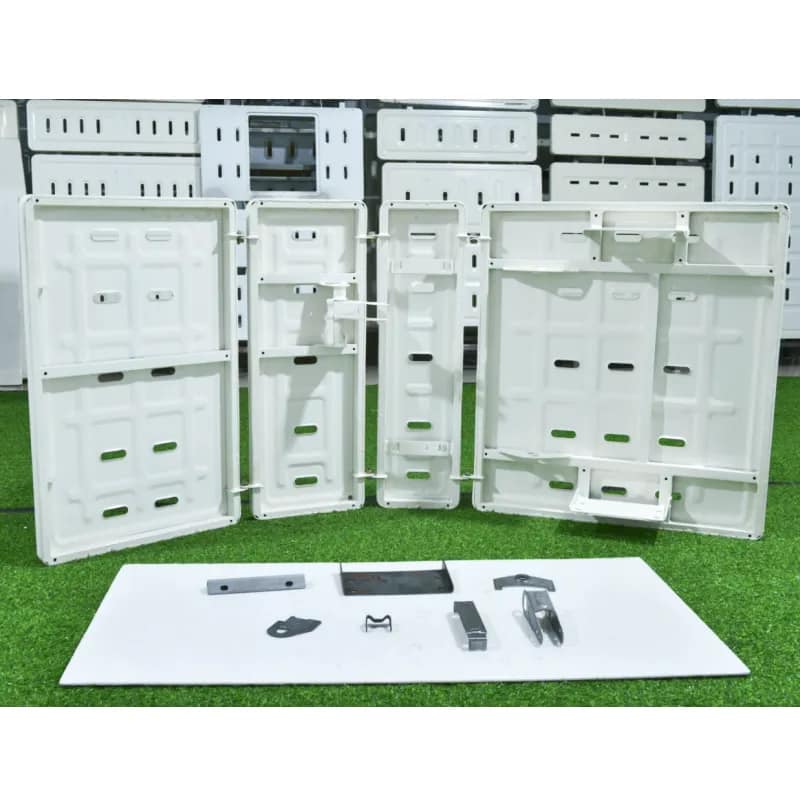
Hospital Bed Package Components
A complete medical bed package for a new hospital goes well beyond the bed frames. A typical bulk order for a 100‑bed facility might include 60 general ward beds, 15 electric beds for high‑dependency units, 10 bariatric beds, and a mix of paediatric and ICU beds, plus matching bedside cabinets, overbed tables, IV stands, and patient transfer chairs. Bedside cabinets, for example, serve as the patient’s personal storage and must be durable, easy to clean, and compatible with the bed height. At Yingyun, we manufacture ABS bedside cabinets that snap together without tools, making them quick to assemble during a hospital outfitting sprint. When the package is planned as a single‑source order, the accessories arrive in coordinated shipments, which avoids the logistical headache of hunting down missing components from multiple suppliers.

Critical Technical Specifications for Bed Durability
Frame material thickness and panel construction are where real longevity is built. Most reputable manufacturers use 0.8–1.2 mm cold‑rolled steel for bed panels, with powder coating for corrosion resistance. A bed with 0.8 mm willow steel panels will survive daily cleaning and patient transfers; 0.9 mm stamped panels add headroom for bariatric loads up to 250 kg. In our production line, we offer single‑crank, double‑crank, and three‑crank manual beds as well as electric three‑function and five‑function ICU beds, each engineered to meet that minimum load capacity. The casters are another wear point that procurement teams often under‑spec. A central‑locking 5‑inch TPR caster with a 125 kg per‑wheel rating keeps the bed from drifting during patient transfer, while stainless‑steel brackets prevent rust in humid climates. When you specify bed accessories together with the bed frame, you ensure the casters and side rails are tested as a system, not as isolated parts.
| Bed Type | Adjustment Functions | Max Load | Typical Use |
|---|---|---|---|
| Manual Single‑Crank | Backrest lift only | 250 kg | General ward, clinics |
| Manual Three‑Crank | Backrest, leg rest, height | 250 kg | General ward, long‑term care |
| Electric Three‑Function | Backrest, leg rest, height (motorised) | 250 kg | Sub‑acute, elderly care |
| Electric Five‑Function | Backrest, leg rest, height, Trendelenburg tilt, cardiac chair | 250 kg | ICU, high‑dependency unit |

Supplier Selection for Medical Bed Packages
Choosing a manufacturer with internal control over metal stamping, welding, and final assembly shortens the supply chain and improves accountability. When a single factory produces the stamped bed panels, the caster brackets, and the guardrail mounts, there is no finger‑pointing if a part arrives misaligned. We recommend requesting a pre‑production sample of the exact bed configuration and a detailed bill of materials that lists steel gauge, caster brand, and coating process. This documentation becomes your quality baseline. In our experience, buyers who invest two days in a factory audit or a video walk‑through before signing a PO catch most specification gaps early. If your programme includes specialised wards, such as a paediatric unit, it is worth confirming that the bed supplier can provide child‑safe guardrails and soft‑close side rails with the proper international test certificates. Reach out at [email protected] if you need a sample BOM or factory qualification pack.

Budgeting and Logistics for Hospital Bed Orders
Cost per bed is only the visible tip of the iceberg. Shipping a 40‑foot container of hospital beds from Zhongshan, China to Lagos or Mombasa adds roughly 10–15% to the landed cost, depending on fuel surcharges and port handling. Delivery lead times for a custom‑built package typically run 40–45 working days for manual and electric bed configurations, with express options available for urgent partial shipments. Customs clearance requires a commercial invoice, packing list, bill of lading, and often a certificate of origin and CE or FDA manufacturer registration; a factory that can supply these documents in English saves weeks of back‑and‑forth. Including spare parts, such as extra casters and control pendants, in the initial container order costs little but provides a ready stock that prevents clinical downtime when a component needs replacement.
If you are planning a new hospital project and need a reliable medical bed package, get a proposal that matches your ward layout and functional requirements. Email your room plan and bed counts to [email protected] or call +8613528198959. Our engineering team will confirm the component list, lead time, and all necessary export documentation so you can budget with confidence.

Common Questions About Hospital Bed Packages
What typically comes in a hospital bed package?
A standard package includes the hospital bed (manual or electric), head and foot boards, side rails, casters, an IV pole, and a bedside cabinet. Many projects also bundle overbed tables and patient transfer chairs. Customisation, such as adding a specific mattress or integrating CPR functions, can be included for a small surcharge.
Can we get the beds in our hospital’s colours and with our logo?
Yes. ABS head and foot boards, side rails, and even caster caps can be colour‑matched to your institutional palette. Silk‑screen or laser‑engraved logos are available on the bed frame and headboard. The moulding and painting processes add about 10 working days to the lead time but have no effect on the structural warranty.
How do you verify the quality of a bed before shipment?
A reputable factory provides a pre‑shipment inspection report that includes load testing, noise measurement (≤45–50 dB), and a functional test of all electrical and manual adjustments. Buyers can request third‑party inspection before containerisation. At Yingyun, we also offer a live video demonstration of your actual order being tested on the production line.
What warranty and after‑sales support do you offer?
All our hospital beds come with a one‑year warranty on the mechanism and structure. Replacement parts like casters, gas springs, and actuators are kept in stock and can be dispatched by air within five working days. Long‑term service contracts for annual maintenance and part refresh are available for multi‑year hospital projects.
How long does delivery take, and can you expedite?
Standard fabrication for a container‑load package is 40–45 working days. Sea freight to most African and Middle Eastern ports adds another 25–35 days. If your project has a tight opening deadline, we can split the order and air‑freight a small quantity ahead of the main shipment. Share your timeline and we’ll confirm what fast‑track options make sense for your situation.
If you’re interested, check out these related articles:
Are Adjustable Hospital Beds Covered by Insurance or Medicare
Understanding Lead Times for Hospital Bed Parts Manufacturing
Can Adjustable Hospital Beds Be Customized for Homecare Needs
Identifying Reliable Brands for Adjustable Hospital Beds
Essential Certifications for Medical Bed Parts Manufacturers