
Selecting ICU beds well takes more than a quick scan of specs. The performance parameters behind each model shape outcomes at the bedside and how smoothly caregivers work. We zero in on robust design, advanced safety features, and tight technology integration, then connect those with ergonomics, durability, maintenance, and compliance. When these elements align, the result is a stable, responsive platform that supports patient recovery and keeps workflows moving.
Defining ICU Bed Performance Parameters
ICU bed performance parameters span the structural, clinical, and technological requirements that matter in critical care. This covers structural integrity, patient support capabilities, and the integration of advanced medical technologies. We weigh load capacity, material durability, and resistance to environmental stressors such as frequent cleaning agents. These parameters must match the dynamic needs of critically ill patients who require continuous monitoring and precise positional adjustments. Our designs prioritize stability and reliability under intensive use. We also assess ease of maintenance and component longevity so beds remain fully functional throughout their operational lifespan. This end-to-end approach guarantees that each bed meets the rigorous demands of an ICU setting, supporting both patient recovery and efficient clinical workflows.
Essential Patient Safety Features
Patient safety drives bed architecture and controls in any ICU. We build in layered safeguards to reduce risks and strengthen protection, including robust side rails, advanced pressure redistribution systems, and intuitive braking mechanisms. Each component targets common incidents such as falls and pressure ulcers, which carry significant consequences in critical care. Safety runs through material selection, engineering, and final assembly.
1. Fall Prevention Mechanisms
Fall prevention sits at the top of ICU safety priorities. Our beds combine sturdy side rails to keep patients within the bed perimeter with low-height positioning to limit injury if an exit occurs. We also include integrated bed exit alarms that alert nursing staff if a patient attempts to leave the bed unsupervised. Together, these mechanisms create a secure environment for vulnerable patients.
2. Pressure Ulcer Prevention Technologies
Pressure ulcers demand proactive design. Our ICU beds pair with specialized mattresses engineered for effective pressure redistribution. Options include alternating air pressure systems or gel-infused foam that adapt continuously to body contours. By reducing prolonged pressure on high-risk areas, these technologies improve comfort and cut the likelihood of skin breakdown, supporting long-term recovery.
3. Side Rail Design and Standards
Side rails are safety-critical and must satisfy strict design and regulatory criteria. We build rails to be robust, easy to operate, and compliant with international guidelines such as IEC 60601-2-52. Features include secure locking mechanisms and gap-free designs to prevent entrapment. Height and length are tuned for fall prevention while preserving access for care. The result is safe, practical performance in demanding clinical environments.
Article Recommendation: If you are interested in understanding the quality control measures for hospital bed parts, read 《Ensuring Quality Control in Hospital Bed Parts: A Comprehensive Guide》.
Ergonomics and Caregiver Efficiency
Good ergonomics directly supports caregiver efficiency and reduces strain. We emphasize features that simplify handling and adjustment, including intuitive controls, smooth articulation, and accessible positioning options. When operation is straightforward, staff can spend more time on direct patient care, improving workflow and well-being.
1. Height Adjustment and Trendelenburg Positions
Precise positioning underpins many procedures and comfort measures. Our ICU beds provide electric height adjustment so caregivers can raise or lower to an optimal working level, reducing bending and stretching that drive musculoskeletal injuries. One-button controls enable rapid Trendelenburg and reverse Trendelenburg positioning, often required for managing circulation or specific treatments. These functions enhance patient safety and make critical interventions easier to execute.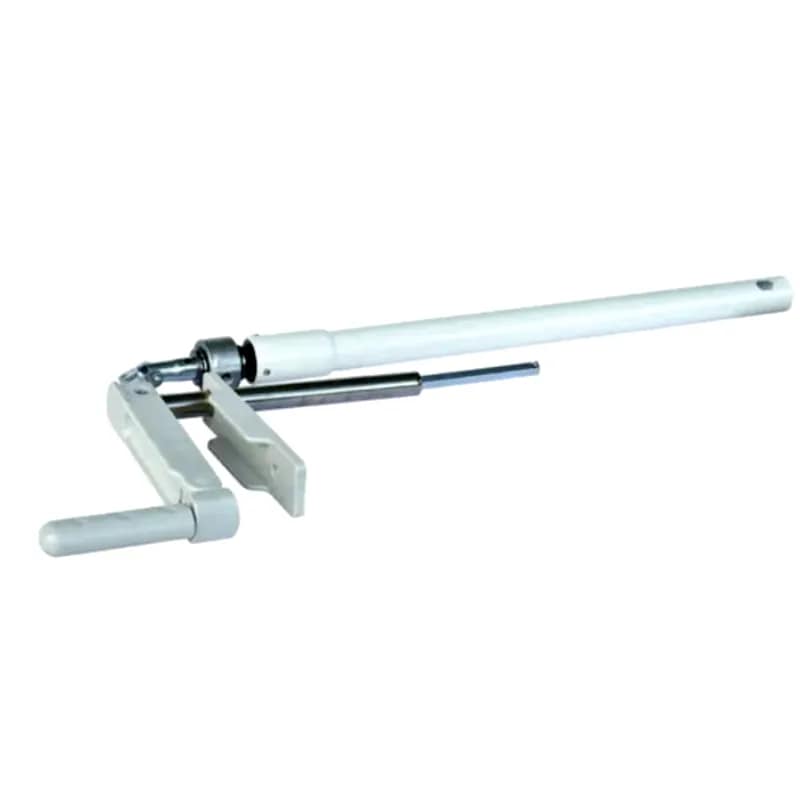
2. Integrated Controls and User Interface
An intuitive control system supports safe, efficient use. We place essential functions within easy reach and use clear labeling with logical layouts to shorten the learning curve and reduce error risk. Lockout features prevent unintended adjustments, protecting patients. This tight integration helps staff adjust settings quickly and accurately when seconds matter.
Advanced Technological Integration
Modern ICU beds benefit from well-integrated technologies that improve care and streamline operations. We prioritize compatibility with external monitoring systems and include features such as integrated weighing scales. This alignment enables real-time data acquisition and reliable information exchange within the hospital’s digital infrastructure. With these capabilities, beds contribute to a more connected, data-driven ICU that supports informed decisions and better outcomes.
1. Patient Monitoring System Compatibility
Compatibility with patient monitoring systems is foundational in the ICU. Our beds work with a wide range of external monitors so vital signs and other key data are tracked accurately. Continuous surveillance lets staff respond promptly to changes in a patient’s condition. The design also provides secure attachment points for monitoring equipment, helping keep the environment safe and uncluttered.
2. Weighing Scales and Data Management
Integrated weighing scales deliver critical data for fluid balance and dosing. Our ICU beds use highly accurate scales for continuous weight monitoring without transferring the patient, reducing workload and disturbance. Data can flow directly into electronic health records (EHRs), streamlining documentation and lowering manual entry errors. These data tools support precise interventions and faster workflows.
Durability Maintenance and Longevity
ICU beds face around-the-clock use and aggressive cleaning protocols, so durability and serviceability matter. We use high-quality materials such as robust steel frames and corrosion-resistant plastics to handle harsh environments. Components are designed for easy cleaning and disinfection to support infection control. We also enable straightforward access for routine maintenance, extending service life and minimizing downtime. The result is reliable, cost-effective performance for healthcare facilities.
Compliance and Industry Standards
Strict adherence to standards is non-negotiable for ICU beds. We ensure compliance with international regulations such as ISO 60601-1 for basic safety and essential performance and ISO 60601-2-52 for medical beds. These cover electrical safety, mechanical stability, and electromagnetic compatibility. Conformance provides confidence in safety and performance for providers and patients alike. Our manufacturing processes undergo regular audits to maintain these certifications.
Article Recommendation: Explore the factors that contribute to the overall cost of adjustable hospital beds by reading 《How Much Does an Adjustable Hospital Bed Cost on Average》.
Frequently Asked Questions
What are the most critical safety features for an ICU bed?
The most critical safety features include robust side rails to prevent falls, advanced pressure redistribution mattresses to prevent ulcers, and intuitive braking systems. These directly impact patient well-being and reduce the risk of adverse events in critical care settings. (Authority: ISO 60601-2-52, IEC 60601-1)
How does bed design impact caregiver efficiency in an ICU?
Ergonomic bed design significantly improves caregiver efficiency by reducing physical strain and optimizing workflows. Features like electric height adjustment, one-button positioning (e.g., Trendelenburg, reverse Trendelenburg), and accessible controls minimize manual effort, allowing nurses to focus more on patient care. Integrated weighing scales and patient monitoring compatibility also streamline data collection.
What role does technology play in modern ICU bed performance?
Technology in modern ICU beds enhances patient monitoring, data integration, and overall care. This includes integrated weighing systems, compatibility with patient vital sign monitors, alarm systems for bed exit or position changes, and connectivity to electronic health records (EHRs). These features provide real-time data, improve clinical decision-making, and contribute to a ‘smart’ ICU environment.
What regulatory standards should ICU beds comply with?
ICU beds must comply with a range of international and national regulatory standards to ensure safety and performance. Key standards include ISO 60601-1 (general requirements for basic safety and essential performance of medical electrical equipment) and ISO 60601-2-52 (particular requirements for basic safety and essential performance of medical beds). Additionally, regional regulations like FDA (USA) and MDR (Europe) are required for market access and compliance.
Partner with Yingyun Hardware for Advanced ICU Bed Solutions
Yingyun Hardware has been deeply engaged in the field of hospital bed and bed accessories since 2006. We understand the critical importance of reliable and high-performing medical equipment. Explore how Yingyun Hardware’s advanced ICU bed solutions meet and exceed these critical performance parameters. Contact us today for a consultation or to request a detailed product catalog at [email protected] or +8613528198959.