
Procuring custom hospital beds is rarely straightforward. After years on the factory floor and in hospital walk-throughs, we have learned that clear planning, honest scope-setting, and choosing partners who can deliver under clinical pressure make all the difference. What follows maps the key challenges, the way we structure projects to handle them, and how tailored beds meet diverse clinical demands while protecting patient care and operational efficiency.
Understanding the Challenges in Procuring Custom Hospital Beds
Hospitals often face significant hurdles when acquiring specialized medical equipment. These challenges span various aspects, from initial needs assessment to post-procurement support. Addressing these systematically ensures optimal investment and patient outcomes.
1. Identifying Specific Clinical Needs and Requirements
Accurate identification of clinical needs forms the foundation of any successful procurement. Each hospital department, from intensive care to pediatric wards, has distinct requirements. For example, bariatric patients require beds with higher weight capacities and wider dimensions. Psychiatric units might need beds with enhanced tamper-proof features. We must meticulously document these specific needs to guide the customization process effectively. This detailed assessment prevents costly errors and ensures the final product meets the intended purpose.
2. Navigating Budget Constraints and Cost-Effectiveness
Healthcare budgets are consistently under pressure, making cost-effectiveness a primary concern. Custom hospital beds often involve higher upfront costs than standard models. Procurement teams must balance these initial expenses against long-term benefits. These benefits include reduced maintenance, improved patient outcomes, and increased staff efficiency. A thorough total cost of ownership (TCO) analysis is a must. This analysis considers not only the purchase price but also installation, training, maintenance, and potential savings from enhanced functionality.
3. Ensuring Quality, Durability, and Regulatory Compliance
Quality and durability are non-negotiable in medical equipment. Custom beds must withstand rigorous daily use and frequent cleaning protocols. They must also comply with stringent international and local regulatory standards, such as ISO, CE, and FDA. Failure to meet these standards can result in patient harm, legal liabilities, and reputational damage. We prioritize robust materials and manufacturing processes to ensure every custom bed meets or exceeds these critical benchmarks.

4. Managing Supply Chain Complexities and Lead Times
Custom orders inherently involve more complex supply chains and longer lead times compared to off-the-shelf products. This complexity arises from specialized component sourcing, custom manufacturing processes, and rigorous testing. Effective project management and clear communication with suppliers are vital to mitigate delays. Hospitals must plan well in advance to accommodate these extended timelines. This proactive approach minimizes disruptions to patient care services.
Developing a Strategic Approach to Custom Hospital Bed Procurement
A structured approach is essential for navigating the complexities of custom hospital bed procurement. This involves careful planning, diligent vendor engagement, and continuous oversight.
1. Defining Clear Specifications and Customization Options
The procurement process begins with precise specifications. Hospitals must articulate their exact requirements, including dimensions, weight capacity, material preferences, and desired functionalities. For instance, a bariatric bed might need a reinforced frame and specialized mattress. We offer extensive customization options, including specific dimensions, material choices, and integrated features. Our team collaborates closely with hospital staff to translate clinical needs into detailed technical specifications.
2. Implementing a Robust Vendor Selection and Evaluation Process
Selecting the right manufacturer is paramount. Hospitals should look for partners with a proven track record in custom medical equipment. Evaluate potential vendors based on their manufacturing capabilities, quality control processes, and customer support. Requesting prototypes or samples can provide tangible evidence of their capabilities. We encourage hospitals to conduct site visits to assess production facilities and quality assurance protocols firsthand. This due diligence ensures a reliable and capable supplier.
3. Leveraging Expertise for Design and Manufacturing
Partnering with an experienced manufacturer provides access to specialized design and engineering expertise. This collaboration ensures that custom solutions are not only functional but also optimized for safety and efficiency. Manufacturers can offer insights into material science, ergonomic design, and advanced manufacturing techniques. For example, our engineers can advise on the optimal use of materials like 304 stainless steel for enhanced durability and hygiene. This expertise is invaluable in developing innovative and effective solutions.
4. Establishing Effective Communication and Project Management
Clear and consistent communication is the cornerstone of successful custom procurement. Establish regular progress meetings, define communication channels, and assign dedicated project managers. This ensures all stakeholders remain informed and any issues are promptly addressed. A well-defined project plan with milestones and deliverables will keep the procurement on track. This proactive management minimizes misunderstandings and ensures timely delivery.
Real-World Scenarios Benefiting from Custom Hospital Bed Solutions
Custom hospital beds provide distinct advantages in various clinical settings. They address specific patient needs and operational demands that standard beds cannot meet.
1. Enhancing Patient Comfort and Specialized Care in ICU Settings
In intensive care units, patient comfort and specialized care are critical. Custom ICU beds can integrate advanced features like pressure redistribution mattresses, continuous lateral rotation therapy, and precise positioning capabilities. These features mitigate the risk of pressure ulcers and respiratory complications. They also support complex medical interventions. An Electric Hospital Bed offers multiple functions, including backrest, legboard, and overall bed lifting, crucial for critically ill patients.
You might find our Essential Safety Features for Adjustable Medical Beds helpful.
2. Optimizing Space and Functionality in Pediatric Wards
Pediatric wards require beds designed for smaller patients and their unique developmental needs. Custom beds can feature adjustable heights for easier access by parents and caregivers, integrated safety rails, and engaging designs. For instance, children bed head & foot board can be customized in various colors and sizes. These beds ensure a safe and comforting environment, promoting faster recovery. Customization allows for space-saving designs that maximize room utility.
3. Improving Ergonomics and Safety for Caregivers
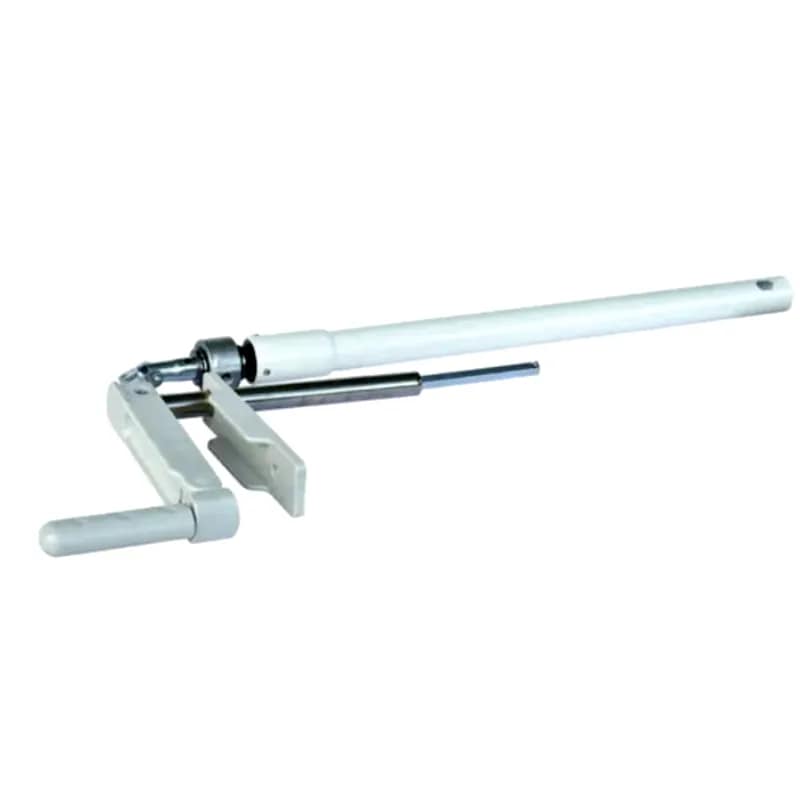
Caregiver safety and ergonomics are vital to preventing workplace injuries. Custom beds can incorporate features like powered height adjustment, Trendelenburg and reverse Trendelenburg positions, and integrated patient lift systems. These features reduce the physical strain on nurses and other healthcare professionals. For example, a Manual Hospital Bed with multiple cranks can significantly ease manual adjustments. Improved ergonomics lead to a safer working environment and higher staff retention.
4. Integrating Advanced Technology for Smart Hospitals
Modern hospitals increasingly adopt smart technologies to enhance patient care and operational efficiency. Custom beds can be designed to integrate with electronic health records (EHR) systems, remote monitoring devices, and smart room automation. This integration allows for automated data collection, real-time patient status updates, and predictive analytics. Such technological advancements contribute to a more connected and responsive healthcare ecosystem.
The Role of an Experienced Manufacturer in Custom Procurement Success
Choosing the right manufacturing partner is crucial for the success of custom hospital bed procurement. An experienced manufacturer brings invaluable expertise and capabilities to the table.
1. Expertise in Material Selection and Manufacturing Processes
An experienced manufacturer possesses deep knowledge of suitable materials for medical applications. They understand the properties of various metals, plastics, and fabrics regarding durability, hygiene, and patient safety. For example, using 304 stainless steel for components like the 5 Inch 304 Stainless Steel_TPR Material Special Medical Bed Brake Casters ensures corrosion resistance and longevity. They also employ advanced manufacturing techniques to ensure precision and consistency in production. This expertise is critical for creating high-quality, compliant products.
2. Capacity for Custom Design and OEM Solutions
Leading manufacturers offer robust custom design and OEM services. This means they can take a hospital’s unique requirements and develop a bespoke solution from concept to completion. They have the engineering talent and production flexibility to create specialized components or entire bed systems. Our OEM services for hospital bed parts allow us to tailor products precisely to client specifications. This capability is vital for hospitals with highly specific or innovative needs.
3. Commitment to Quality Assurance and After-Sales Support
A reputable manufacturer prioritizes stringent quality assurance at every production stage. They implement rigorous testing protocols to verify product performance, safety, and compliance. Beyond manufacturing, they provide strong after-sales support, including warranty services, maintenance, and spare parts availability. This commitment ensures the long-term reliability and functionality of custom beds. We offer a one-year warranty on mechanisms and structures, reflecting our confidence in product quality.
4. Building Long-Term Partnerships for Sustainable Supply
Successful custom procurement often evolves into long-term partnerships between hospitals and manufacturers. These relationships foster trust and facilitate ongoing collaboration for future needs. A reliable partner can anticipate emerging requirements and proactively develop solutions. This continuous engagement ensures a sustainable supply of high-quality, customized medical equipment. We believe in building enduring relationships with our clients.
Partner with Us for Your Custom Hospital Bed Needs
Are you seeking a reliable partner for your custom hospital bed procurement? ZhongShan YingYun Hardware Products Co.,Ltd offers nearly two decades of expertise in designing and manufacturing high-quality hospital beds and accessories. We are committed to delivering tailored solutions that meet your precise clinical and operational needs. Contact us today to discuss your project requirements and discover how our custom design and OEM capabilities can benefit your facility.
Email: [email protected]
Phone:+8613528198959
FAQs
1. What are the key benefits of opting for custom hospital beds over standard models?
Custom hospital beds offer superior patient comfort and safety by precisely matching clinical needs. They provide specialized features for specific patient populations, such as bariatric or pediatric patients. Customization also enhances caregiver ergonomics, reducing injury risks, and allows for integration with advanced hospital technologies, improving overall operational efficiency and data management.
2. How can hospitals ensure the quality and safety of custom-designed beds?
Hospitals should partner with manufacturers possessing strong quality assurance protocols and relevant certifications (e.g., ISO, CE, FDA). It is crucial to review material specifications, conduct factory audits, and request product samples or prototypes. Verifying the manufacturer’s track record and commitment to after-sales support also helps ensure the long-term quality and safety of custom beds.
3. What is the typical lead time for custom hospital bed orders?
The lead time for custom hospital bed orders usually ranges from 15 to 45 working days, depending on the complexity of the design and the volume of the order. This duration accounts for detailed design finalization, material sourcing, specialized manufacturing processes, and thorough quality control checks. Early planning and clear communication with the manufacturer are essential.
4. Can custom hospital beds be integrated with existing hospital infrastructure and technologies?
Yes, custom hospital beds can be designed for integration with existing hospital infrastructure and technologies. This includes compatibility with electronic health records (EHR) systems, central monitoring platforms, and smart room automation. Manufacturers work with hospitals to ensure that connectivity and data exchange capabilities are built into the bed’s design.
5. How does a manufacturer like ZhongShan YingYun Hardware Products Co.,Ltd support customization requests?
ZhongShan YingYun Hardware Products Co.,Ltd supports customization requests through a collaborative process. We engage with clients to understand their specific needs, offering expert advice on material selection, design optimization, and feature integration. Our OEM solutions ensure that products are manufactured precisely to specifications, backed by rigorous quality control and strong after-sales support.