
On countless site visits, I’ve seen how a well-built manual bed can quietly carry a small clinic through a hectic day—or an unexpected power cut. In resource-limited settings, these beds earn their keep: they’re affordable, rugged, and easy to maintain, yet still deliver the core functions patients and caregivers rely on. What follows reflects that everyday reality—how manual beds fit the needs of small and rural facilities, the features that matter, what to look for when buying, and how our team at Yingyun supports long-term performance with practical engineering and responsive after-sales service.
Understanding the Critical Role of Manual Beds in Small and Rural Healthcare
Small and rural healthcare facilities operate under constraints that make equipment choices especially consequential. Unlike large urban hospitals with bigger budgets and deeper bench strength, these teams need solutions that are durable, straightforward to service, and fiscally responsible. Manual hospital beds meet those criteria head-on, supporting essential care without the complexity of electronics. In environments where every purchase must work hard and last, simplicity and reliability become strategic advantages.
1. Defining the Unique Needs of Smaller Medical Facilities
Smaller medical facilities—rural clinics and community health centers in particular—anchor care in their communities. They often cover primary care, urgent or emergency response, and ongoing care for chronic conditions. Because patient needs vary, equipment has to be versatile. Tight budgets make total cost of ownership a deciding factor, and limited access to specialized technicians means devices must be intuitive and robust. In short, durable, user-friendly equipment is not a nice-to-have; it’s essential for continuity of care.
2. The Economic and Operational Advantages of Manual Beds
Manual Hospital Bed offer significant economic and operational advantages for small and rural clinics. Their lower upfront cost compared to electric beds makes them an attractive option for budget-conscious institutions. They require no electricity, eliminating power consumption costs and ensuring functionality during outages. This independence from power sources is particularly beneficial in remote areas with unreliable electricity. Maintenance is simpler, reducing the need for specialized technicians and expensive spare parts. This translates to lower overall operating expenses and less downtime for repairs.
For more insights into comparing bed types, you might find Electric vs Manual Adjustable Beds: A Comprehensive Comparison helpful.
Key Features and Benefits of Manual Hospital Beds for Efficient Care
Manual hospital beds deliver key functions via dependable mechanical systems, balancing patient comfort with caregiver efficiency. They’re built for reliability and ease of use—exactly what’s needed where straightforward operation matters most. Our focus is on features that improve the patient experience while keeping staff workflows smooth.
1. Exploring Adjustable Functions for Patient Comfort and Caregiver Ease
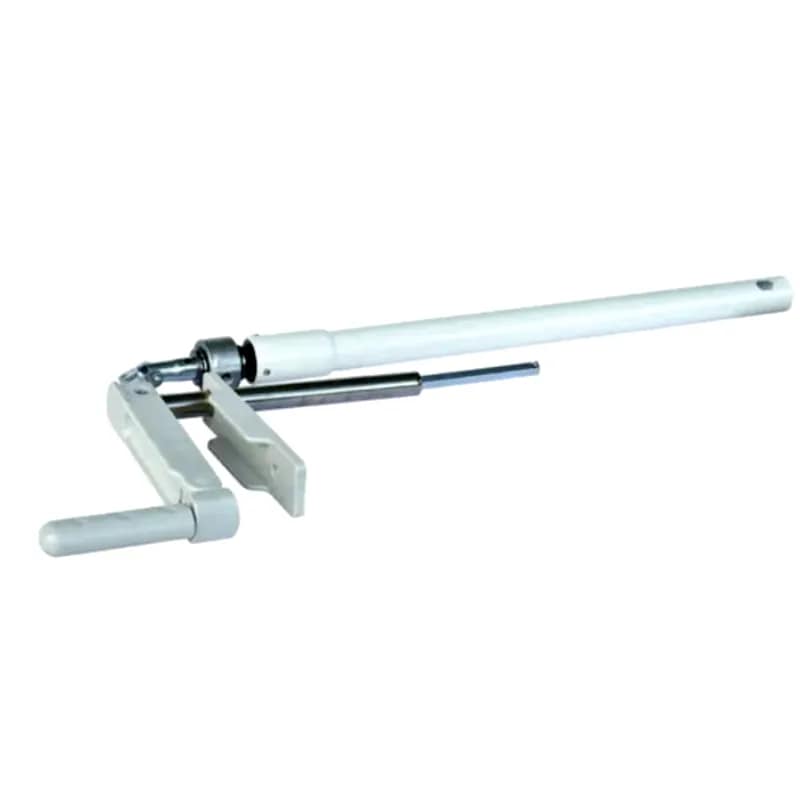
Adjustable Manual Bed typically feature various crank mechanisms to adjust bed sections. A Single Crank Hospital Bed allows for backrest adjustment, enabling patients to sit upright for meals or reading. A Double Crank Hospital Bed adds knee section adjustment, promoting better circulation and pressure redistribution. A three-crank system offers full bed height adjustment, simplifying patient transfers and caregiver tasks. These adjustments improve patient comfort and reduce physical strain on nursing staff. The manual operation ensures consistent functionality, regardless of power availability.
2. Highlighting Durability and Low Maintenance for Long-Term Value
Durability is built into manual bed design. Manufacturers use tough materials like steel to stand up to daily use in demanding settings. With fewer electronic components, there’s less that can fail. That streamlined design naturally cuts maintenance demands and extends service life. In most cases, thorough cleaning and periodic lubrication keep everything running well—lowering operating costs and reducing avoidable interruptions to care.
3. Emphasizing Patient Safety Features and Mobility Options
Patient safety is always the priority. Manual beds incorporate features like sturdy side rails to reduce fall risk and dependable braking systems to hold position during transfers and procedures. Many models also include caster options to move beds easily when needed. For instance, our 5’6′ Central-locking double-face caster and 5’8′ Central-locking single-face caster provide smooth mobility and secure locking. These details support both patient protection and flexible operations.

Selecting the Right Manual Bed: A Comprehensive Buyer’s Guide
Choosing the right manual bed means weighing budget, essential functions, and longevity. We work closely with clients to balance these factors so the selected models deliver dependable performance over the long haul.
1. Assessing Material Quality and Construction for Longevity
Service life is closely tied to materials and build quality. High-grade steel frames resist corrosion and fatigue. ABS plastic headboards and footboards are durable and easy to sanitize. It’s worth inspecting welds and finish quality as telltale signs of strong manufacturing. A bed that’s well-constructed from the start avoids premature replacement and stretches every budget dollar further.
| Parameter | Details |
|---|---|
| Frame Material | High-strength A3 steel or chrome-plated steel pipe |
| Bed Top Material | Liuzhou steel |
| Headboard/Footboard Material | ABS/PP material |
| Side Rails Material | Aluminum alloy and iron |
| Load Capacity | Typically 125 KG – 250 KG |
| Warranty | 1 year for mechanism and structure |
2. Considering Customization and Accessory Compatibility
Thoughtful customization can make a real difference in daily use. Facilities may need specific sizes or features to match patient profiles and room layouts. Compatibility with staples like IV poles, overbed tables, and drainage hooks is equally important. Our manual beds include standard slots to accept common accessories, helping clinics configure setups for varied care scenarios.
3. Evaluating Supplier Reputation and After-Sales Support
A dependable supplier brings more than a catalog—they bring responsiveness and know-how. Review certifications, track record, and how quickly they address questions. Strong after-sales support, with ready access to spare parts and technical help, is the backbone of long-term reliability. We prioritize clear communication and comprehensive service so teams can focus on patient care.
You may also be interested in Finding a Trustworthy Hospital Bed Parts Supplier: A Comprehensive Guide.
Yingyun Hardware’s Commitment to Quality Manual Hospital Beds
Since 2006, Yingyun Hardware has specialized in hospital beds and accessories built for real-world healthcare demands. Our approach blends solid engineering with practical design choices to deliver manual beds that hold up under pressure.
1. Showcasing Our Range of Manual Single, Double, and Triple Crank Beds
We offer a comprehensive range of Manual Hospital Bed to suit various clinical needs. Our Single Crank Hospital Bed provide essential backrest adjustments. The Double Crank Hospital Bed adds knee articulation for enhanced patient positioning. For maximum flexibility, our manual three-crank beds allow independent adjustment of back, leg, and overall bed height. Each model prioritizes user-friendliness and patient comfort. We also offer OEM Manual Hospital Bed services to meet specific design requirements.
2. Detailing the Advantages of Yingyun Hardware’s Manufacturing Expertise
Our manufacturing combines durable materials and rigorous quality control. We use Liuzhou steel for bed tops and high-strength iron for frames. ABS headboards and footboards feature snap-on construction for quick removal—useful for cleaning and emergencies. Powder coating adds rust resistance and antibacterial properties. The net effect is consistent performance and long service life across the product line.
3. Providing Custom Solutions and Bulk Order Capabilities
We understand that one size rarely fits all. From custom dimensions to accessory packages, we tailor manual beds and components to specific requirements. Our production capacity supports bulk orders and on-time delivery for larger projects. By collaborating closely with clients, we align configurations with clinical priorities and budget realities.
Optimizing Operations with Manual Beds in Resource-Constrained Environments
Getting the most from manual beds comes down to smart processes and consistent training. A bit of planning on the front end often translates into years of dependable service.
1. Strategies for Maximizing Efficiency with Manual Bed Systems
Set clear protocols for bed assignment based on patient needs and bed features to streamline care. Routine inspection schedules catch small issues before they become costly repairs. Keep essential spares—like ABS crank with in-place protection or Iron crank with in-place protection—on hand to limit downtime. Strong processes around manual beds support smoother patient flow and better use of limited resources.
2. Training Staff on Proper Usage and Maintenance for Extended Lifespan
Comprehensive, hands-on training pays off. Correct crank operation protects mechanisms and patients alike. Teams should be confident engaging brakes, adjusting positions, and using accessories safely. Basic maintenance—cleaning routines, lubrication of moving parts, and early identification of wear—keeps beds in top condition and reduces dependence on outside repair services.
Partner with Yingyun Hardware for Reliable Manual Hospital Beds
Choosing the right manual hospital beds is a strategic decision for small and rural clinics. Yingyun Hardware offers durable, cost-effective, and versatile solutions backed by years of manufacturing expertise. We provide high-quality products and comprehensive support to meet your facility’s unique needs. Contact us today to discuss your requirements or request a quote.
Email: [email protected]
Phone: +8613528198959
FAQs
1. What are the primary benefits of manual hospital beds over electric beds for small clinics?
Manual beds typically cost less up front, which helps stretch limited budgets. They don’t depend on power, so they keep working during outages. With simpler mechanisms, they’re also easier and cheaper to maintain, and they generally stand up well to everyday use.
2. How do I choose the correct type of manual bed (single, double, or triple crank) for my facility’s needs?
Match the bed to patient needs and available budget. Single crank handles backrest adjustment for basic positioning. Double crank adds knee articulation for comfort and circulation. Triple crank includes height adjustment to ease transfers and caregiver tasks. Consider patient acuity and staff workload to pick the right fit.
3. What kind of maintenance do manual hospital beds require?
Maintenance is straightforward: regular cleaning and disinfection, periodic lubrication of cranks and moving parts, and routine checks of frames, casters, and side rails for wear or damage. Staying ahead of small issues helps avoid bigger repairs and extends service life.
4. Can manual hospital beds be customized to fit specific requirements?
Yes. Many manufacturers, including Yingyun Hardware, support custom dimensions, material options, and accessory integrations. Tailoring beds ensures they align with unique patient populations, workflows, and space constraints.
5. What is the typical lifespan of a high-quality manual hospital bed?
With proper care, a quality manual bed often lasts 10 to 15 years or longer. Lifespan depends on build quality, usage intensity, maintenance discipline, and overall handling. Durable construction is the foundation for longevity.
About the Author
Miss Vicky is an After-Sales Engineer at ZhongShan YingYun Hardware Products Co.,Ltd. She specializes in medical device installation, troubleshooting, and customer support—helping clients get reliable, efficient performance from their hospital bed equipment. Her hands-on experience ensures practical guidance and timely technical solutions.