
Procuring hospital bed parts demands a meticulous approach to ensure patient safety and operational continuity. We understand the complexities involved in sourcing these critical components, where quality directly impacts healthcare delivery. Our extensive experience in the medical device industry has shown us that selecting the right manufacturer is paramount. This guide provides a detailed framework for evaluating potential suppliers, helping you make informed decisions that uphold the highest standards.
Understanding the Criticality of Quality Hospital Bed Parts
High-quality hospital bed parts are indispensable for patient care and facility functionality. Every component, from casters to control mechanisms, plays a vital role in the bed’s overall performance. When parts function correctly, they support patient comfort, facilitate medical procedures, and ensure caregiver efficiency.
1. Why Substandard Parts Pose Significant Risks
Substandard parts introduce numerous risks into a healthcare environment. Firstly, they compromise patient safety. A faulty bed mechanism can lead to falls, injuries, or discomfort for patients, potentially exacerbating their medical conditions. Secondly, unreliable parts cause frequent breakdowns, increasing maintenance costs and requiring more frequent replacements. This disrupts hospital operations, leading to bed shortages and delays in patient care. Finally, using non-compliant parts can result in regulatory penalties and reputational damage for healthcare institutions.
2. The Impact of Quality on Patient Safety and Operational Efficiency
Quality parts directly enhance patient safety by ensuring beds operate smoothly and reliably. For instance, robust casters prevent unexpected movements, while durable bed frames support varying patient weights without failure. High-quality components also contribute to operational efficiency by reducing downtime for repairs and replacements. This allows nursing staff to focus on patient care rather than equipment issues. Furthermore, reliable parts ensure the longevity of hospital beds, offering a better return on investment over time.
Key Criteria for Evaluating Hospital Bed Parts Manufacturers
Selecting a manufacturer requires a thorough evaluation process. We recommend focusing on several key areas to ensure you partner with a dependable supplier.
1. Assessing Manufacturer Experience and Specialization
A manufacturer’s experience indicates their understanding of industry requirements and their ability to produce reliable products. Look for companies with a long history in the medical device sector. Specialization in hospital bed parts suggests a deeper expertise and commitment to this specific niche. An experienced and specialized manufacturer often possesses refined production processes and a comprehensive understanding of relevant standards.
2. Verifying Quality Certifications and Compliance Standards
Certifications provide objective proof of a manufacturer’s adherence to quality and safety standards. Essential certifications include ISO 13485 for medical devices, CE marking for European markets, and FDA registration for the United States. Compliance with these standards confirms that products meet stringent regulatory requirements. Always request and verify current certification documents.
3. Examining Manufacturing Processes and Material Quality
The manufacturing process directly influences the quality and durability of hospital bed parts. Inquire about the manufacturer’s production methods, quality control measures, and testing protocols. For example, the materials used for components like the “7” Shape Force Arm Hardware Products Precision Metal Stamping or a Base support plate must meet specific strength and hygiene standards. A transparent manufacturing process indicates a commitment to quality.
4. Evaluating Product Range and Customization Capabilities
A diverse product range allows you to source various components from a single supplier, simplifying procurement. Consider whether the manufacturer offers a wide selection of items, such as different types of casters like 5’6′ Central-locking double-face caster or 3’4’5 Double-face caster. Customization capabilities are crucial if your facility requires bespoke parts or modifications to existing designs. A manufacturer capable of OEM solutions can provide tailored products that perfectly fit your needs.

5. Reviewing After-Sales Support and Warranty Policies
Reliable after-sales support ensures that you receive assistance with installation, maintenance, and troubleshooting. A strong warranty policy protects your investment against manufacturing defects and premature failures. Understand the terms of the warranty, including coverage period and what it entails for various components like the crank systems or bed panels. A comprehensive warranty reflects the manufacturer’s confidence in their product quality.
The Role of Technical Specifications in Manufacturer Selection
Technical specifications are the backbone of informed procurement decisions. They provide precise details about a part’s design, performance, and compatibility.
1. Understanding Material Specifications for Durability and Safety
Material specifications dictate a part’s strength, corrosion resistance, and biocompatibility. For example, stainless steel is often preferred for medical applications due to its hygiene and durability. Understanding these specifications helps ensure the parts withstand rigorous hospital environments and frequent cleaning. We prioritize materials that offer both longevity and patient safety.
2. Interpreting Load Capacity and Performance Metrics
Load capacity specifies the maximum weight a part can safely support, which is critical for patient beds. Performance metrics, such as smooth operation for casters or precise adjustment for cranks, indicate how well a component functions under typical usage. Always compare these metrics against your operational requirements to avoid under-specifying or over-specifying parts.
3. Importance of Compatibility and Interchangeability
Hospital bed parts must be compatible with your existing bed frames and other components. Interchangeability ensures that you can easily replace parts from different batches or suppliers without significant modifications. Confirming these aspects upfront prevents costly retrofits and ensures seamless integration into your current equipment.

Practical Steps to Vet Potential Suppliers
A structured vetting process helps identify the most suitable hospital bed parts manufacturers.
1. Conducting Thorough Background Checks and Reputation Analysis
Start by researching the manufacturer’s history, market presence, and client testimonials. Online reviews, industry forums, and trade associations can provide valuable insights into their reputation. A strong track record of reliability and customer satisfaction is a positive indicator.
2. Requesting Product Samples and Quality Documentation
Always request samples of the specific parts you intend to purchase. Physically inspect these samples for material quality, finish, and overall construction. Simultaneously, ask for detailed quality documentation, including test reports, material safety data sheets, and compliance certificates. This provides tangible evidence of their product standards.
3. Discussing Minimum Order Quantities (MOQ) and Lead Times
Minimum Order Quantities (MOQ) can impact your inventory management and budget. Clarify the MOQ for each product and assess if it aligns with your procurement strategy. Lead times are equally important for operational planning; ensure the manufacturer can meet your delivery schedules reliably. For instance, our standard lead time for many products is 15-20 working days.
4. Negotiating Pricing and Payment Terms
While quality is paramount, cost-effectiveness remains a consideration. Negotiate pricing based on volume, long-term contracts, and market benchmarks. Discuss payment terms, including deposit requirements, payment schedules, and any available credit options. A balanced approach ensures both quality and financial viability.
Partnering with an Experienced Manufacturer: ZhongShan YingYun Hardware Products Co.,Ltd
Choosing the right manufacturer is a strategic decision that affects your facility’s efficiency and patient care quality. We offer reliable solutions for all your hospital bed part needs.
1. Yingyun Hardware’s Expertise in Hospital Bed Accessories Since 2006
Yingyun Hardware has been a dedicated manufacturer in the field of hospital bed and bed accessories since 2006. Our extensive experience translates into a deep understanding of industry demands and a commitment to producing high-quality, durable components. We continually refine our processes to meet evolving healthcare standards.
2. Our Commitment to Quality and Diverse Product Offerings
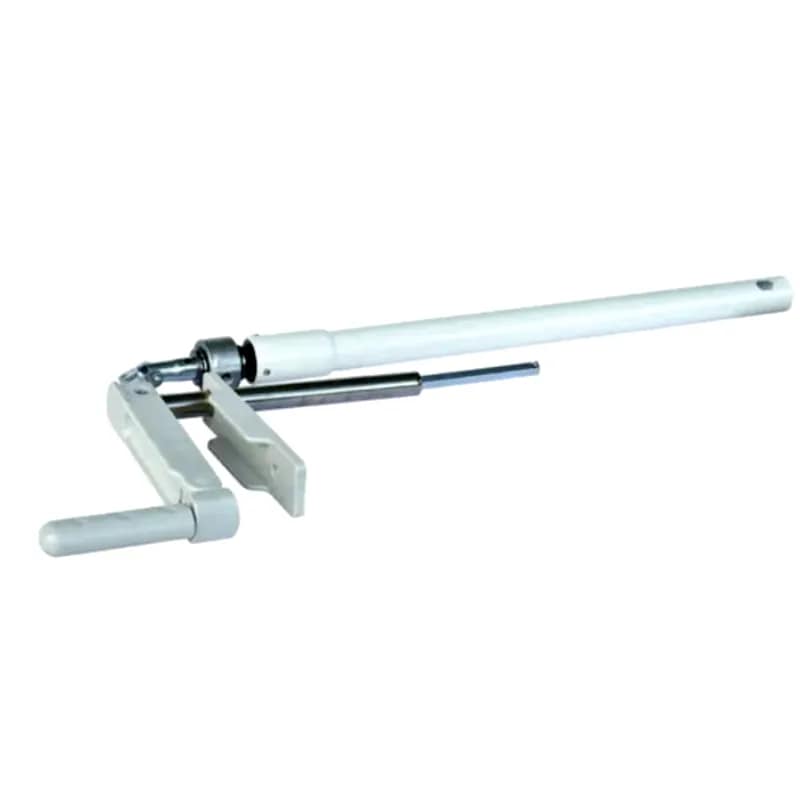
We maintain rigorous quality control throughout our manufacturing processes, ensuring every product meets international standards. Our diverse product range includes various essential hospital bed parts, such as ABS crank with in-place protection and Iron crank with in-place protection. We also offer specialized items like 4 hooks IV Pole and 2 hooks IV Pole. This comprehensive selection allows us to serve a broad spectrum of healthcare needs efficiently.
3. How Yingyun Hardware Meets Your Specific Requirements
We understand that each healthcare facility has unique needs. Our team works closely with clients to understand their specific requirements, offering customized solutions where necessary. Whether you need standard replacement parts or bespoke components, we leverage our expertise to deliver products that integrate seamlessly and perform reliably. We are committed to fostering long-term partnerships built on trust and consistent quality.
Contact Us
For reliable hospital bed parts that meet the highest standards of quality and safety, contact ZhongShan YingYun Hardware Products Co.,Ltd. Our team is ready to assist you with your procurement needs. Reach out to us via email at [email protected] or call us at +8613528198959.
About the Author
Miss Vicky, a Senior Content Editor with 12 years of experience in the medical device industry, specializes in creating informative and authoritative content that meets the highest standards of accuracy and relevance. Her deep understanding of medical equipment manufacturing and market dynamics ensures that readers receive expert guidance on critical procurement decisions.
FAQs
1. What are the most important certifications to look for in a hospital bed parts manufacturer?
The most crucial certifications are ISO 13485, CE marking (for European markets), and FDA registration (for the United States). These certifications demonstrate that the manufacturer adheres to strict quality management systems and regulatory requirements for medical devices, ensuring product safety and efficacy.
2. How can I ensure the parts are compatible with my existing hospital beds?
To ensure compatibility, provide the manufacturer with detailed specifications of your existing hospital beds, including model numbers and dimensions. Request technical drawings and product data sheets for the parts. Consider ordering samples for testing before placing a large order to confirm proper fit and function.
3. What is the typical lead time for custom hospital bed parts orders?
Lead times for custom hospital bed parts can vary significantly depending on complexity, materials, and order volume. Generally, expect lead times ranging from 4 to 8 weeks. It is essential to discuss specific lead times with your manufacturer during the negotiation phase to align with your project timelines.
4. How does a manufacturer’s warranty impact my purchasing decision?
A strong warranty reflects the manufacturer’s confidence in their product quality and provides financial protection against defects. It ensures that you receive replacements or repairs for faulty parts within a specified period, reducing long-term maintenance costs and mitigating risks associated with product failures.
5. Can I request samples before placing a large order?
Yes, requesting samples is a standard and highly recommended practice. Samples allow you to evaluate the quality, compatibility, and performance of the parts firsthand before committing to a significant purchase. Most reputable manufacturers will provide samples, though terms may vary.