
Getting a hospital bed through a standard doorway sounds simple until you actually try it. The math rarely works in your favor, and anyone who has wrestled a full-size bed through a 32-inch opening knows exactly what I mean.
Why Doorways and Hospital Beds Fight Each Other
The numbers tell the story. Most residential doorways measure between 76 and 91 cm wide. A typical hospital bed with side rails attached? Often 91 to 107 cm. That gap creates real problems for home care setups and even some institutional transfers.
| Dimension Type | Typical Residential Doorway Width | Typical Institutional Doorway Width | Standard Hospital Bed Width (with rails) | Narrow Hospital Bed Width (with rails) |
|---|---|---|---|---|
| Width | 76-91 cm (30-36 in) | 91-122 cm (36-48 in) | 91-107 cm (36-42 in) | 76-86 cm (30-34 in) |
Door frame clearance matters too. A centimeter here or there can mean the difference between a smooth pass and a stuck bed blocking a hallway.
Bed Designs That Actually Fit
Manufacturers have responded to these constraints with some practical solutions. Collapsible side rails make the biggest difference during transit. Some compact medical bed models start with narrower frames, built from the ground up for tight spaces.
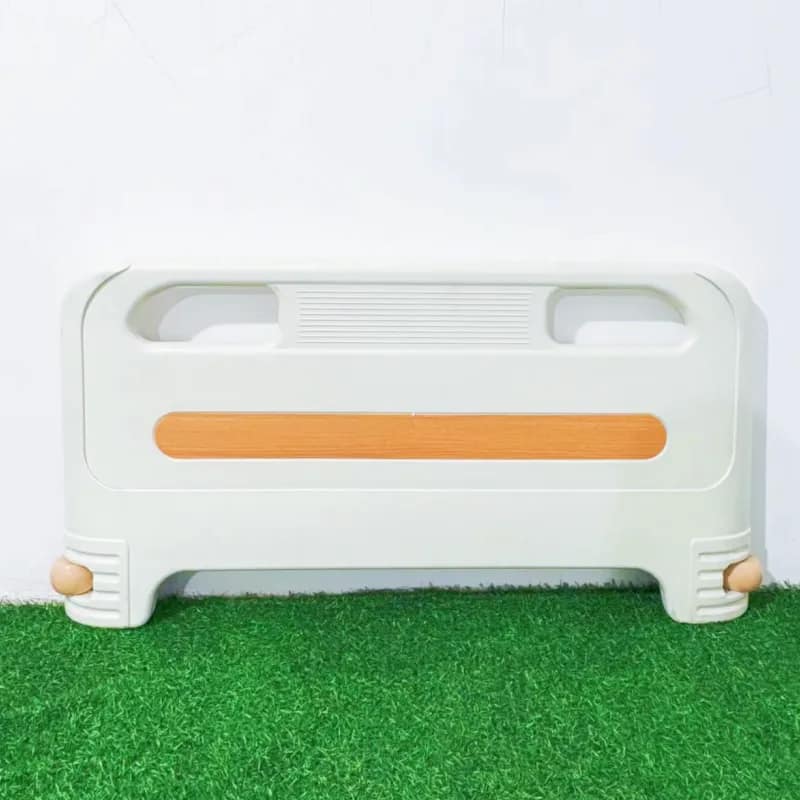
Modular components help considerably. Headboards and footboards like the High quality headboard and footboard with anti-collision corners (Model No.: YY-HB03) or Ordinary ABS head&foot board(Model No.: YY-HB02) come off quickly. That temporary disassembly cuts both length and width. Split frame designs take this further, letting you separate the bed into sections for transport through tight corners or stairwells.
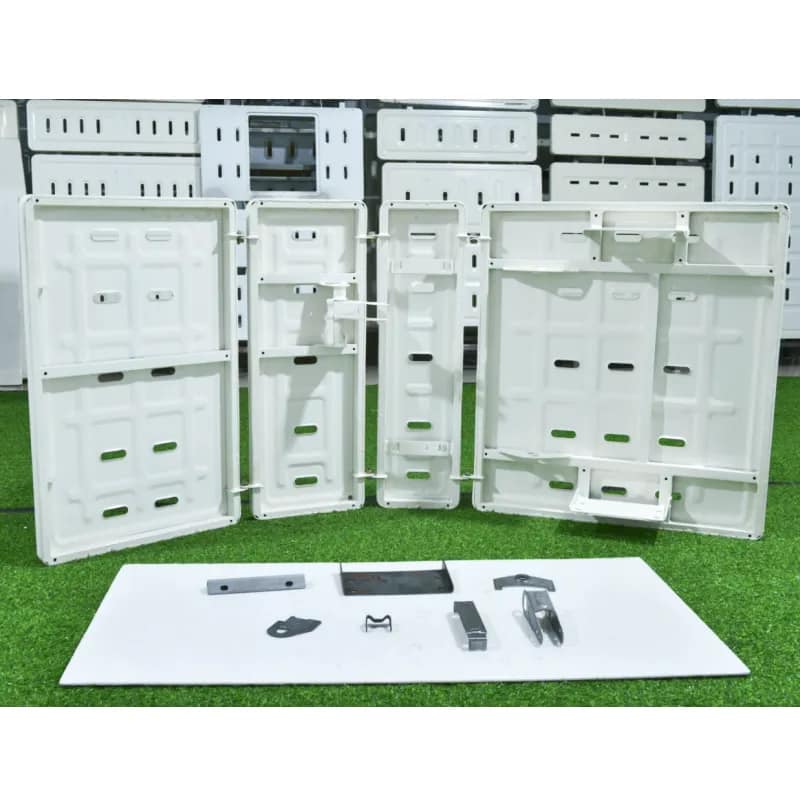
Different bed panel widths serve different needs. The 820mm width 4 sections stamped bed panel works well in constrained environments, while the 900mm width single crank stamped bed panel suits spaces with more room. Caster selection affects maneuverability too. Options like the 5’6′ Central-locking double-face caster (Model No.: YY-C20/C21) and 3’4’5 Double-face caster (Model No.: YY-C1/C2/C3/C4/C5/C6/C7/C8/C9/C16) offer different handling characteristics.
For more on matching beds to clinical settings, see 《How to Choose the Right Adjustable Medical Bed for Your Clinic: A Comprehensive Guide》.
Picking the Right Bed for Your Space
Dimensions matter, but they are not everything. Wheel quality and braking systems affect how the bed handles in tight spots. The 5’8′ Central-locking single-face caster (Model No.: YY-C22/C23) and 3’4’5′ Full-wrapped caster (Model No.: YY-C3/C10/C13) provide smooth, quiet movement with reliable stopping power. Weight plays a role too, especially when you are pushing through doorways without mechanical help.
What are the standard dimensions for hospital beds and doorways?
Residential doorways typically run 76-91 cm (30-36 inches) wide. Hospital beds vary quite a bit, but many standard models measure 91-107 cm (36-42 inches) across with rails up. That often exceeds what residential doorways allow. Lengths usually fall between 203-229 cm (80-90 inches). Institutional doorways tend to be wider, generally 91-122 cm (36-48 inches), built with larger equipment in mind.
How do I choose a hospital bed that fits through narrow spaces?
Measure everything first. Every doorway, hallway, and elevator the bed will pass through. Find the narrowest point and work from there. Look for beds with collapsible or removable side rails and detachable head/footboards. Narrow hospital bed options exist specifically for these situations. Check the turning radius and caster quality since those affect real-world navigation more than spec sheets suggest.
Placement That Works for Everyone
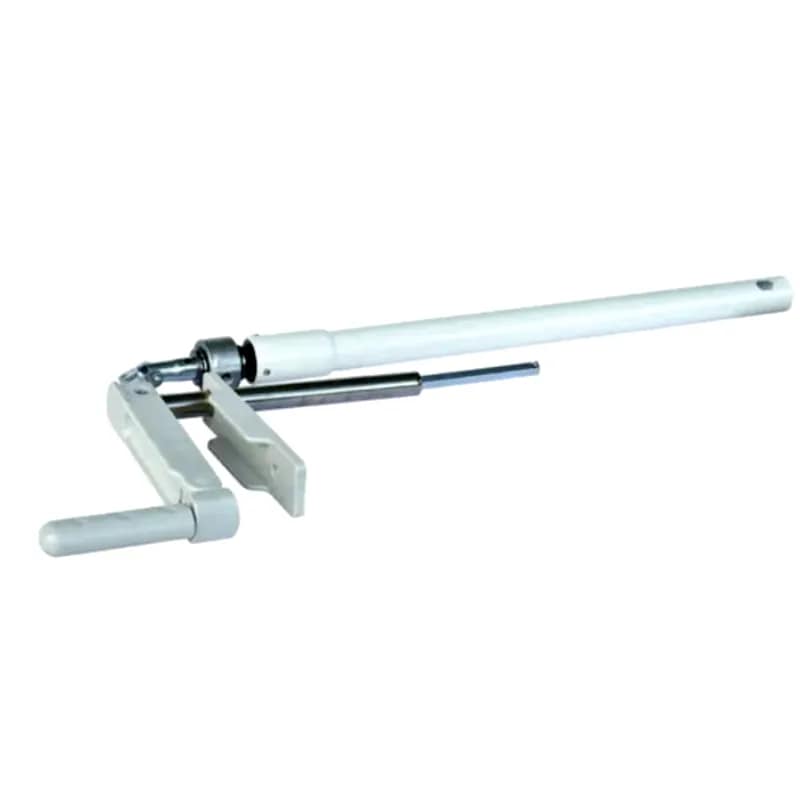
Where you put the bed affects both patient comfort and caregiver safety. Beds that move through doorways without a struggle reduce physical strain on staff. The Manual Single crank hospital bed and Manual double cranks hospital bed prioritize ease of movement in their designs. Quick transport matters during emergencies and room reconfigurations alike. Good placement also gives patients room to move and reach their belongings, which supports recovery in ways that are easy to overlook.

Understanding costs helps with planning. See 《How Much Does an Adjustable Hospital Bed Cost on Average》 for pricing context.
Where Hospital Bed Design Is Heading
Beds are getting smarter and more adaptable. Modular systems that reconfigure quickly are becoming more common. Sensors for monitoring patient position and vital signs are showing up in newer models. Lighter materials that maintain strength reduce transport effort without sacrificing durability. These changes make doorway navigation easier while improving care quality. Ongoing development of components like the 840mm widdth single crank stamped bed panel and accessories such as the 7 Shape Force Arm Hardware Products Precision Metal Stamping (Model No.: YY-00030) reflects this direction.

Working Together on Access Solutions
ZhongShan YingYun Hardware Products Co.,Ltd has manufactured hospital beds and accessories since 2006. That experience shapes how we approach accessibility challenges. Reach out at lily@yingyunmic.com or +8613528198959 to discuss what you need. We can help match equipment to your specific space constraints.
FAQs
Are there specialized hospital beds designed for residential use?
Yes. Many manufacturers produce compact hospital beds specifically for home care. These beds typically have narrower profiles, better maneuverability, and designs that fit residential aesthetics while maintaining medical functionality. They pass through standard doorways more readily than institutional beds.
What features should I look for in a hospital bed for tight spaces?
Narrow frame design tops the list. Collapsible or removable side rails help significantly. Smaller caster wheels improve maneuverability in confined areas. Modular or easily disassembled structures make transport through tight spots more manageable. Adjustable height and Trendelenburg positions add flexibility during movement and placement. Measure your doorways and hallways before deciding on anything.
Can standard hospital beds be modified to fit through narrow doorways?
Removing side rails or head/footboards can temporarily reduce width, but major structural modifications create safety and warranty problems. Beds designed for narrow access or those with split frames for transport work better than trying to modify equipment not built for tight spaces. Patient safety and product integrity depend on using equipment as intended.