
Finding the right contract manufacturer for hospital beds isn’t straightforward. Supply chains need room to breathe, and the old model of committing to massive production runs before you’ve even tested market response? That approach ties up cash and kills flexibility. Since 2006, we’ve watched companies struggle with this exact problem. What follows lays out how low MOQ partnerships actually work in practice and why they matter for manufacturers trying to stay nimble.
Hospital Bed OEM Manufacturing Realities
Medical device manufacturers run into the same walls repeatedly. Inventory costs pile up. Market demand shifts faster than production schedules can accommodate. Regulatory compliance adds another layer of complexity to every decision. The search for a manufacturing partner who delivers both quality and flexibility often feels like chasing two targets moving in opposite directions.
Large production commitments create their own problems. Capital gets locked into inventory that might sit in warehouses for months. Niche market opportunities pass by because the minimum order makes no financial sense for a smaller customer segment. These aren’t theoretical concerns. They show up in quarterly reports and missed product launches. Addressing them requires rethinking how production partnerships get structured from the start.
Why Low MOQ Changes the Calculation for Hospital Beds
Low MOQ shifts the economics of hospital bed manufacturing in practical ways. Inventory holding costs drop because you’re not warehousing six months of product hoping demand materializes. That freed capital can go toward R&D, marketing, or simply improving cash position.
Market responsiveness improves measurably. When patient care requirements evolve or new technology becomes available, manufacturers with low MOQ arrangements can adapt without writing off existing inventory. Developing specialized products like a Gynecological Examination Bed or a Manual Hospital Bed becomes financially viable even for smaller market segments.
Small batch production opens doors for market testing. A new design concept can get real-world validation before committing to full-scale manufacturing. Custom hospital bed suppliers particularly benefit here since their business model depends on serving specific needs rather than mass markets.
| Feature | High MOQ Impact | Low MOQ Impact |
|---|---|---|
| Inventory Costs | High, increased warehousing and obsolescence | Low, reduced storage and waste |
| Cash Flow | Significant capital tied up in stock | Improved, capital freed for other investments |
| Market Entry | High barrier, risky for new products | Lower barrier, facilitates market testing |
| Flexibility | Limited, slow adaptation to changes | High, quick response to market shifts |
| Customization | Costly for unique designs | Economical for custom hospital bed design |

Finding an OEM Partner That Actually Delivers
The right OEM partner makes or breaks a hospital bed manufacturing program. Expertise in medical device contract manufacturing matters, but so does how that expertise translates into day-to-day operations. Quality management systems need to be comprehensive and actually followed, not just documented for audits.
Communication patterns reveal a lot about potential partners. Transparent updates on production status, proactive flagging of potential issues, consistent responsiveness to questions. These behaviors indicate whether a collaborative relationship is possible or whether you’ll spend your time chasing information.
Track record matters. Meeting production schedules consistently, adhering to specifications without constant oversight, supporting products through their entire lifecycle including bed accessories OEM. These capabilities separate partners worth building relationships with from those who’ll create headaches down the road.
What quality standards should I look for in a hospital bed OEM partner?
ISO 13485 certification demonstrates a quality management system built specifically for medical devices. FDA registration and CE marking show compliance with regulatory requirements in major markets. These aren’t optional nice-to-haves. They’re baseline requirements confirming a manufacturer can produce safe, effective products. Partners meeting these standards have already proven their systems work under scrutiny.
Making Customization and Innovation Practical
Hospital bed design increasingly requires customization to address specific healthcare scenarios. Patient comfort requirements vary. Caregiver ergonomics differ across care settings. Integration with monitoring systems and other medical technologies creates new design constraints.
OEM partners with genuine customization capabilities can translate unique requirements into manufacturable products. This includes prototype development and iterative design work where initial concepts get refined based on testing and feedback. The process works best when engineering teams on both sides communicate directly rather than through layers of project management.
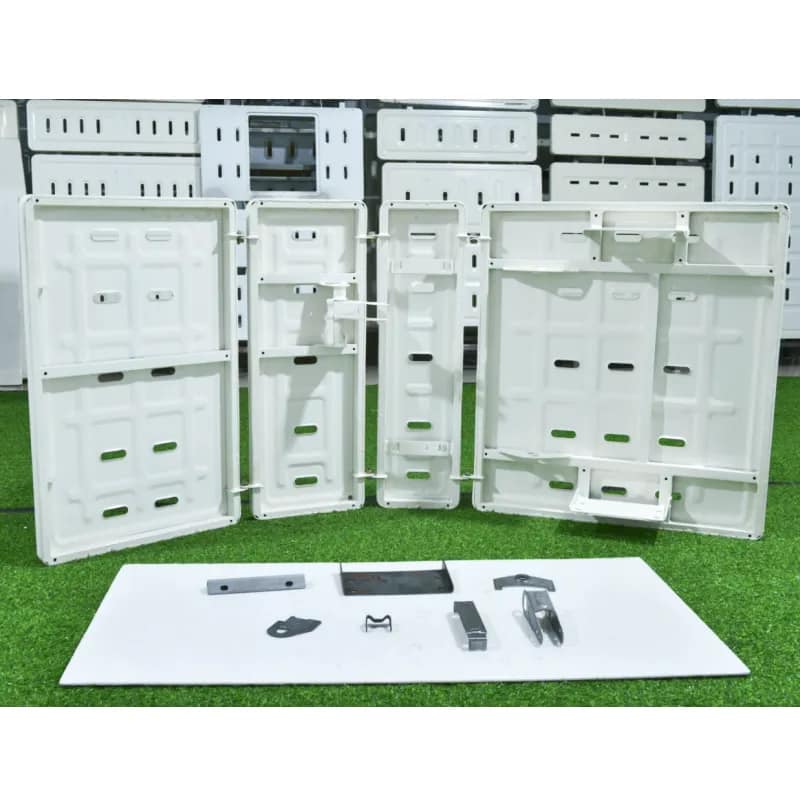
Medical equipment innovation happens when manufacturers can afford to experiment. Low MOQ makes experimentation financially reasonable. Various Stamped Hospital Bed Panels and other components can be produced in quantities that match actual testing needs rather than arbitrary minimums.
How does low MOQ impact the supply chain for medical equipment distributors?
Distributors benefit from low MOQ through reduced inventory requirements. Storage costs drop. Obsolescence risk decreases because products don’t sit in warehouses long enough to become outdated. Response time to market demand improves since restocking doesn’t require committing to massive orders months in advance.
Lean manufacturing principles apply here. Carrying only needed inventory, responding quickly to actual demand signals, maintaining flexibility to adjust product mix as markets evolve. These practices become possible when MOQ requirements don’t force artificial constraints on ordering patterns.
Cost and Efficiency Gains from Low MOQ Partnerships
Strategic OEM relationships with low MOQ capabilities affect both cost structure and operational efficiency. Avoiding speculative large production runs reduces raw material waste. Warehousing expenses drop. Inventory control becomes more precise because you’re managing smaller quantities more frequently.
Cash flow improves in measurable ways. Capital that would otherwise sit in inventory can be deployed elsewhere. This matters particularly for smaller manufacturers or those entering new markets where capital efficiency determines survival.
Cost effective medical manufacturing doesn’t require massive scale. Smaller batches can still benefit from efficient processes and experienced production teams. The key is finding partners whose operations support flexibility without sacrificing quality or adding excessive per-unit costs.
What are the benefits of choosing an OEM with low MOQ for hospital beds?
Financial risk drops significantly. Testing new designs or entering niche markets doesn’t require betting the company on inventory that might not sell. Product development becomes more agile because iterations can happen faster and cheaper.
Specialized customization becomes economically viable. Serving specific client needs or responding to emerging trends doesn’t require justifying massive production runs. Strategic sourcing with low MOQ partners creates room for innovation that rigid high-MOQ arrangements simply don’t allow.
Partner with ZhongShan YingYun Hardware Products Co.,Ltd.
ZhongShan YingYun Hardware Products Co.,Ltd. brings over 18 years of hospital bed OEM experience since 2006. We manufacture to quality standards with the flexibility that low MOQ provides. Reach out at lily@yingyunmic.com or +8613528198959 to discuss your hospital bed and bed accessory requirements.
What is the typical lead time for custom hospital bed OEM orders with low MOQ?
Lead times depend on design complexity and material availability. Small batch production often completes faster than larger orders because scheduling is more flexible. We work with clients to establish realistic timelines based on their specific custom hospital bed requirements and production priorities.
How does ZhongShan YingYun Hardware ensure quality control for low MOQ hospital bed production?
Quality control processes apply consistently regardless of order size. International medical device quality standards guide our operations. Inspection protocols cover raw material sourcing through final assembly. Every unit meets the same specifications whether it’s part of a small batch or a larger production run.
Can ZhongShan YingYun Hardware assist with design and prototyping for new hospital bed concepts?
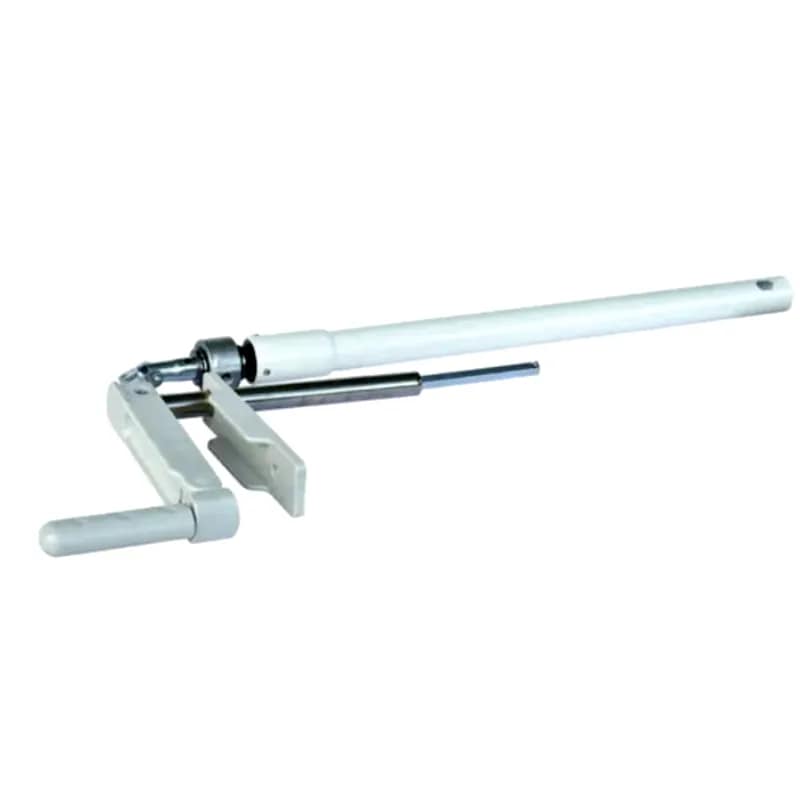
Yes. Our engineering team works directly with clients to develop new hospital bed concepts into manufacturable products. We address innovative features while ensuring designs can actually be produced efficiently. This includes bed accessories OEM development, providing complete support for healthcare equipment production programs.