
Choosing a medical bed isn’t just about how it looks; durability sits at the heart of patient safety and smooth hospital workflows. A strong, reliable bed cuts injury risk, limits downtime, and helps control long-term costs. We’ve seen how equipment that holds up under daily pressure makes care easier and safer. Here, we walk through the standards, testing methods, and manufacturing practices that ensure medical beds deliver dependable performance, and where the field is headed next.
Defining Medical Bed Durability: Why Robustness is Non-Negotiable for Patient Care and Operational Efficiency
Medical bed durability refers to a bed’s ability to maintain its structural integrity and functional performance over its intended lifespan, despite continuous use and varying stresses. This robustness is critical for patient safety, directly preventing potential injuries from equipment failure. A durable bed also contributes significantly to long-term operational efficiency by reducing maintenance needs and costly replacements. It lowers overall healthcare costs, as facilities avoid frequent repairs and ensure continuous availability of vital equipment. The capacity of a bed to withstand daily demands directly impacts the quality of care provided and the effective management of a healthcare facility.
Decoding Key International Standards: Navigating IEC 60601-2-52 and Other Essential Regulatory Frameworks
International standards provide key benchmarks for medical bed durability, ensuring products meet stringent safety and performance criteria. We primarily focus on IEC 60601-2-52, which specifically addresses the basic safety and essential performance of medical beds. These regulations prevent hazards and ensure beds function reliably in clinical environments. Adherence to these frameworks is mandatory for manufacturers and healthcare providers alike.
1. The Foundational Principles of IEC 60601-2-52 for Medical Bed Safety
IEC 60601-2-52 outlines the core requirements for medical beds, focusing on mechanical stability and structural integrity. This standard ensures beds can safely support patient weight and withstand dynamic forces. It also addresses protection against various hazards, including entrapment risks and electrical safety. Compliance guarantees a baseline of safety and performance for medical beds in diverse healthcare settings.
2. ISO 13485 and Quality Management: Ensuring Consistent Durability in Manufacturing
ISO 13485 establishes a quality management system for medical devices. This standard ensures that manufacturing processes consistently produce durable and safe medical beds. It complements durability testing by integrating quality control from design to production. A robust quality system, like the one mandated by ISO 13485, is vital for maintaining product reliability and longevity.
If you’re interested, check 《Essential Certifications for Medical Bed Parts Manufacturers》.
Application in Practice: Comprehensive Durability Testing Methodologies for Medical Beds
Durability standards are put into practice through rigorous testing methodologies. These tests simulate real-world conditions to validate a medical bed’s structural integrity and long-term performance. We employ a range of procedures, including static load tests, dynamic fatigue tests, and impact tests, to ensure our products meet and exceed expectations. These broad evaluations confirm the bed’s ability to withstand daily operational stresses.
1. Static Load and Dynamic Fatigue Testing: Simulating Real-World Stresses
Static load testing assesses a medical bed’s ability to withstand sustained weight without deformation or failure. Dynamic fatigue testing simulates repetitive movements, such as raising and lowering sections, over thousands of cycles. These tests evaluate the bed’s long-term resilience and identify potential weak points. We analyze load points, cycle counts, and failure criteria to ensure robust performance.
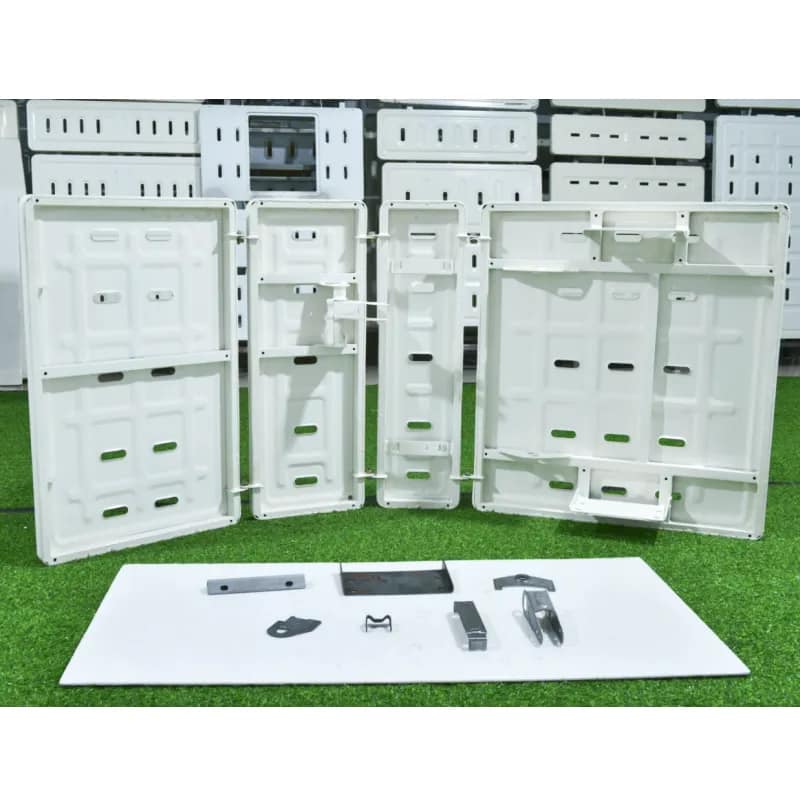
2. Impact and Stability Tests: Assessing Resistance to Sudden Forces and Movement
Impact tests evaluate a medical bed’s resistance to sudden forces, simulating bumps or accidental collisions. Stability tests ensure the bed remains secure during patient transfers and adjustments, preventing tipping or unexpected movement. These assessments are crucial for preventing accidents and enhancing patient security. They confirm the bed’s ability to maintain integrity under dynamic conditions.

The Yingyun Hardware Advantage: Our Commitment to Exceeding Medical Bed Durability Standards
ZhongShan YingYun Hardware Products Co.,Ltd is committed to manufacturing highly durable and compliant medical beds. Since 2006, we have integrated rigorous testing and quality control processes into every stage of production. Our extensive experience ensures each product meets, and often exceeds, international durability standards like IEC 60601-2-52. We leverage advanced materials and precision engineering to deliver reliable and safe solutions for healthcare facilities. Our dedication to quality minimizes maintenance costs and maximizes the lifespan of our equipment.
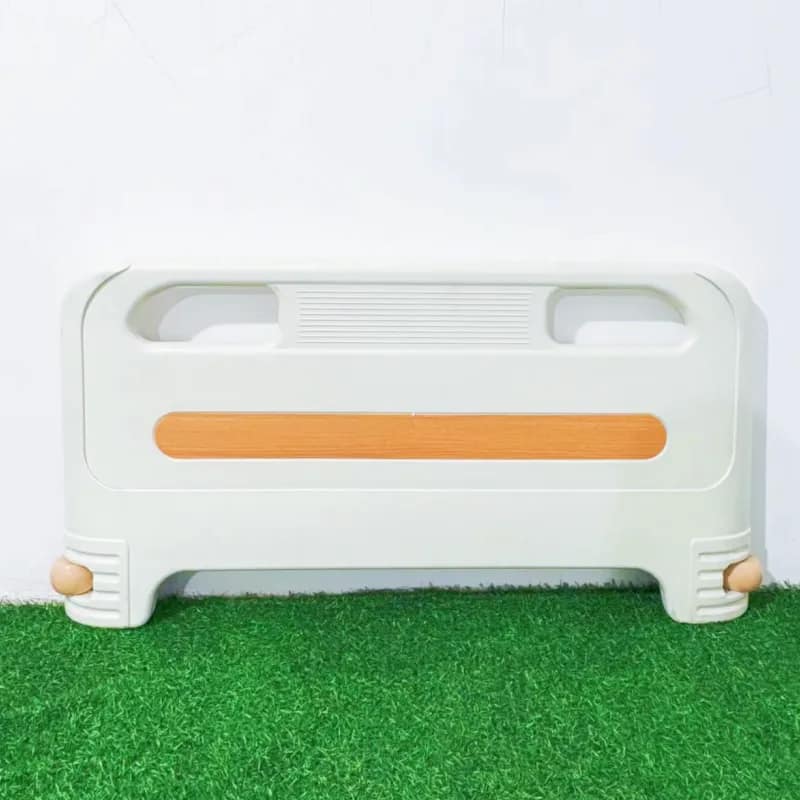
| Product Category | Material | Key Durability Feature | Application |
|---|---|---|---|
| Casters | TPR, 304 Stainless Steel | Strong load-bearing, wear-resistant | Mobile medical equipment |
| Wheelchairs | High-strength Steel, Oxford Fabric | Robust frame, flame-retardant cushions | Patient transport, rehabilitation |
| Transfer Chairs | Chrome-plated Steel | Heavy-duty frame, medical silent wheels | Patient transfer, home care |
| Bed Panels | Willow Steel | High load capacity, structural integrity | ICU and general wards |
| Guardrails | Iron, Aluminum Alloy, ABS | Anti-fall, impact resistance | Patient safety, fall prevention |
Future Trends in Medical Bed Durability: Innovations Driving Enhanced Safety and Longevity
The future of medical bed durability involves continuous innovation in materials science and smart technologies. We anticipate advancements in lightweight, high-strength alloys that further enhance structural integrity without adding bulk. The integration of IoT sensors will allow for real-time monitoring of bed stress and usage patterns, providing predictive maintenance insights. AI-driven analytics will optimize designs for even greater longevity and safety. Evolving regulatory landscapes will likely incorporate these technological advancements, pushing durability standards even higher. These innovations will lead to more reliable and safer medical beds, improving patient outcomes and operational efficiency in healthcare settings.

Ready to Elevate Your Healthcare Facility with Superior Medical Beds?
Ready to equip your facility with medical beds that set the benchmark for durability and patient safety? Contact ZhongShan YingYun Hardware Products Co.,Ltd today to learn more about our rigorously tested and compliant hospital bed solutions. Email us at lily@yingyunmic.com or call +8613528198959.
What is the primary purpose of medical bed durability testing?
The primary purpose of medical bed durability testing is to ensure the bed can safely withstand the stresses of continuous use, patient weight, and dynamic movements over its expected lifespan. This prevents structural failures, reduces maintenance costs, and most importantly, guarantees patient safety and comfort in healthcare environments, aligning with standards like IEC 60601-2-52.
Which international standard specifically addresses the safety and performance of medical beds?
The key international standard specifically addressing the basic safety and essential performance of medical beds is IEC 60601-2-52. This standard outlines critical requirements for mechanical strength, stability, electrical safety, and various other aspects to ensure medical beds are fit for purpose in a healthcare setting.
How does ZhongShan YingYun Hardware Products Co.,Ltd ensure the durability of its hospital beds?
ZhongShan YingYun Hardware Products Co.,Ltd ensures the durability of its hospital beds through a quality management system adhering to ISO 13485 and rigorous testing protocols that meet or exceed IEC 60601-2-52. Our processes include extensive static load, dynamic fatigue, and impact testing, alongside continuous material quality checks, leveraging our deep expertise since 2006 to deliver reliable products.
What types of tests are commonly performed to assess medical bed durability?
Common tests performed to assess medical bed durability include static load tests (evaluating resistance to sustained weight), dynamic fatigue tests (simulating repetitive movements over time), impact tests (assessing resistance to sudden forces), and stability tests (ensuring the bed remains stable during adjustments and patient transfers). These tests collectively verify the bed’s structural integrity and long-term performance.
Why is investing in durable medical beds a cost-effective decision for healthcare facilities?
Investing in durable medical beds is a cost-effective decision for healthcare facilities because it significantly reduces the frequency of repairs and replacements, minimizes downtime, and lowers long-term maintenance expenses. Highly durable beds also enhance patient safety, reduce the risk of liability, and support a more efficient and reliable healthcare operation, ultimately providing a better return on investment.