
Working in after-sales for medical devices puts me right where design meets daily reality—watching how a well-thought-out bed can calm an anxious patient or spare a nurse’s back at the end of a long shift. Height-adjustable examination beds have proven to be a quiet game-changer: they make examinations more comfortable, improve access for people with different mobility needs, and reduce ergonomic strain on staff. Below, I’ll walk through what makes these beds so effective, the features that matter, and how facilities can choose the right models to boost both patient care and operational efficiency.
Addressing Patient Discomfort and Accessibility Challenges in Medical Examinations
1. The Critical Need for Patient-Centric Examination Environments
Patient comfort during examinations isn’t a nice-to-have—it directly affects cooperation and overall experience. Fixed-height examination beds can be tough on patients, especially those with mobility limitations or anxiety. Climbing up or down becomes a source of stress and, in some cases, risk. A patient-centric approach means preserving dignity and making every transition easier from start to finish. That, in turn, supports better outcomes and strengthens trust between patients and clinicians.
2. Ergonomic Strain on Healthcare Professionals During Examinations
Clinicians spend long hours in awkward postures and performing repetitive tasks. On static beds, lifting or repositioning patients is a major driver of musculoskeletal injuries, which lead to lost workdays, higher costs, and lower morale. Purpose-built ergonomic equipment helps break that cycle, creating safer, more sustainable working conditions. It’s an investment that protects staff and supports consistent, high-quality patient care. For further insights into optimizing clinical environments, consider reading How to Choose the Right Adjustable Medical Bed for Your Clinic: A Comprehensive Guide.
3. Overcoming Accessibility Barriers for Diverse Patient Populations
Patients aren’t one-size-fits-all. Kids, older adults, pregnant women, and those with disabilities often need more flexible exam setups. Fixed-height beds can become barriers that delay or complicate care. Height-adjustable beds make it easy to lower to a safe transfer height, accommodating a wide range of body types and mobility levels. That inclusivity helps ensure equitable access to essential services.

The Advanced Features and Benefits of Height-Adjustable Examination Beds
1. Precision Height Adjustment Mechanisms for Optimal Positioning
Modern examination beds center on precise, smooth height control. Electric motors, for instance, let staff adjust positions with minimal effort, keeping movement controlled and predictable. That precision eases patient anxiety during transfers and exams while helping clinicians maintain a healthy working posture—reducing strain without sacrificing efficiency.
2. Designing for Superior Patient Comfort and Support
Comfort comes from both smart design and high-quality materials. Thick, waterproof mattresses and ergonomic contours support the body where it matters most. The Gynecological Examination Bed and Accessories offers a reclining and lie-flat backrest made of corrosion-resistant 304 stainless steel, ensuring both durability and patient comfort. Adjustable backrests and leg rests personalize support so patients can rest in natural, low-pressure positions. Together, these details make examinations feel calmer and less stressful.
3. Integrating Safety and Durability in Examination Bed Construction
Safety and longevity are non-negotiable in clinical equipment. Reinforced steel frames and durable plastic components handle rigorous daily use, while features like locking mechanisms, sturdy guardrails, and reliable braking systems keep patients and staff protected. For instance, the Emergency Transfer Stretcher and accessories features a sturdy steel and plastic frame, offering smooth mobility and high load capacity. These elements work in tandem to support safe transfers and steady positioning. We recommend exploring Essential Safety Features for Adjustable Medical Beds for more information on safety features.
Optimizing Clinical Efficiency and Patient Experience with Modern Examination Beds
1. Streamlining Workflow and Reducing Caregiver Strain
Height-adjustable beds simplify day-to-day tasks. With quick, effortless positioning, staff avoid unnecessary lifting and the injury risks that come with it. That time and energy can shift back to patient care, and room turnover moves faster—boosting throughput without compromising quality.
2. Improving Patient Dignity and Cooperation During Procedures
When patients can get on and off the bed independently—or with minimal help—they retain a sense of dignity and control. Adjusting the bed height to meet individual needs reduces vulnerability and tension, which often leads to better cooperation during procedures and a more respectful, empathetic care experience.
3. Long-Term Value and Return on Investment for Healthcare Facilities
The long-term math is compelling. Fewer staff injuries mean lower workers’ compensation costs and less absenteeism. Greater efficiency translates into seeing more patients. And a better patient experience often shows up in satisfaction scores and reputation. When viewed over the equipment’s lifespan, these benefits contribute to a strong return on investment. Consider reading How Much Does an Adjustable Hospital Bed Cost on Average for a detailed cost analysis.
Selecting the Right Height-Adjustable Examination Bed for Your Facility
1. Key Considerations for Functionality and Customization
Start with your patient population and the procedures you perform most. Some models focus on core height adjustment, while others add capabilities like Trendelenburg and reverse Trendelenburg. Custom options—specialized mattresses or targeted accessories—can elevate functionality even further. Match features to clinical use cases and typical patient demographics to make the right call.
2. Material Quality and Maintenance Requirements
Materials drive durability, hygiene, and maintenance. Stainless steel and high-grade plastics are popular for their corrosion resistance and cleanability. Waterproof, antibacterial fabrics are essential for infection control. Look closely at how easily surfaces can be disinfected, and consider long-term maintenance and parts availability to keep downtime to a minimum.
3. Understanding Different Adjustment Mechanisms: Electric vs. Manual
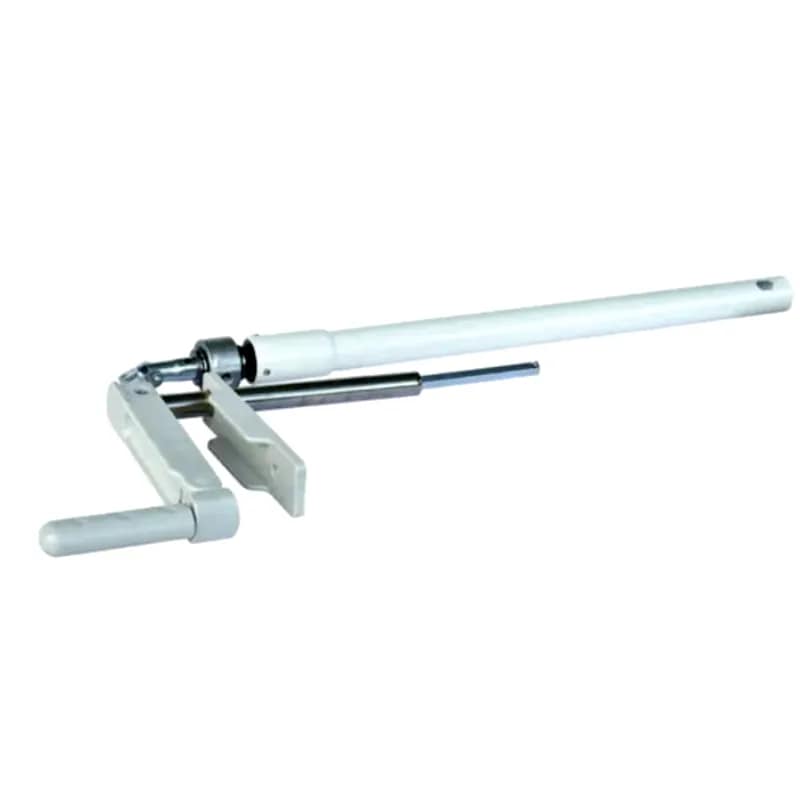
Examination beds utilize either electric or manual adjustment mechanisms. Electric beds offer effortless, precise adjustments via remote control, ideal for frequent repositioning and heavier patients. Manual beds, operated by cranks or foot pedals, are more cost-effective and suitable for facilities with budget constraints or less frequent adjustments. We offer various adjustable beds, including Electric five function hospital bed and metal parts and Manual three function hospital bed and metal parts.
Here is a comparison of common adjustment mechanisms:
| Feature | Electric Adjustment | Manual Adjustment |
|---|---|---|
| Ease of Use | Effortless, precise, one-button operation | Requires physical effort, crank or pedal operation |
| Speed | Fast and smooth | Slower, dependent on operator |
| Cost | Higher initial investment | Lower initial investment |
| Power Dependency | Requires electrical power; battery backup often available | Independent of power |
| Noise Level | Low (e.g., ≤45 dB for Electric five function hospital bed and metal parts) | Silent |
| Applications | High-volume clinics, ICU, bariatric patients | Smaller clinics, budget-conscious facilities, backup |
For a comprehensive comparison, review Electric vs Manual Adjustable Beds: A Comprehensive Comparison.

ZhongShan YingYun Hardware Products Co.,Ltd’s Commitment to Quality and Innovation
1. A Legacy of Excellence in Hospital Bed Manufacturing Since 2006
ZhongShan YingYun Hardware Products Co.,Ltd has focused on hospital beds and accessories since 2006, building a reputation for reliable, high-quality medical equipment. That experience shows up in products that meet rigorous industry standards and client expectations. From design through after-sales support, we keep refining how we serve clinicians and patients.
2. Diverse Product Portfolio Supporting Comprehensive Patient Care
We offer a wide portfolio to support comprehensive patient care. Our range includes various types of Hospital Beds, such as Electric Hospital Beds and Manual Hospital Beds, along with specialized options like the Gynecological Examination Bed and Accessories. We also provide essential Hospital Bed Metal Parts and accessories, creating a complete solution for different budgets and operational needs.
3. Custom Solutions and Global Reach for Healthcare Providers
Every facility is different, so we tailor solutions to fit. Our OEM Services for Hospital Bed Parts: Your Custom Manufacturing Partner enables us to design and manufacture to precise specifications. With a global footprint, we support providers worldwide and aim to build long-term partnerships grounded in dependable products and responsive service.
Partner with ZhongShan YingYun for Superior Examination Beds
Enhance your facility’s patient care and operational efficiency with our advanced height-adjustable examination beds. We offer durable, ergonomic, and customizable solutions designed to meet the evolving demands of modern healthcare. Contact us today to discuss your specific needs and explore our comprehensive product range.
Email: lily@yingyunmic.com
Phone: +8613528198959
About the Author
Miss Vicky, After-Sales Engineer
Miss Vicky is an experienced after-sales engineer at ZhongShan YingYun Hardware Products Co.,Ltd. She specializes in medical device installation, troubleshooting, and customer support. Her hands-on approach helps resolve issues efficiently and provides clear, professional guidance to clients worldwide.
FAQs
1. What are the primary benefits of using height-adjustable examination beds?
Height-adjustable beds improve patient comfort by making access and exit easier and less stressful. They also support better caregiver ergonomics, reducing musculoskeletal injury risk during transfers and positioning. As a result, workflows become smoother and overall practice efficiency improves.
2. How do height-adjustable beds improve patient comfort and safety?
They enable precise positioning for different procedures and adapt to a wide range of patient sizes and mobility levels. Safety improves through stable transfer heights that reduce fall risk, along with features such as secure locking mechanisms and sturdy guardrails.
3. What features should I look for when purchasing a height-adjustable examination bed?
Prioritize precise height adjustment, comfortable and easy-to-clean mattresses, and robust materials like stainless steel. Adjustable backrests and leg rests add support and flexibility. Don’t overlook safety essentials—reliable braking systems and guardrails are key.
4. Are electric or manual height-adjustable beds more suitable for my facility?
Electric beds provide effortless, precise adjustments and are ideal for high-volume settings or frequent repositioning. Manual beds are more budget-friendly and suit facilities with lower volumes or less frequent adjustments. The right choice depends on patient volume, staff workload, and budget.
5. How do these beds contribute to the overall efficiency of a medical practice?
They cut down on physical strain for staff—lowering injury rates and absenteeism—and speed up transfers and positioning. That time savings helps clinicians see more patients and keeps workflows moving efficiently.