
Getting hospital beds from factory to destination without wasting container space or damaging product sounds straightforward until you actually try it. The math gets complicated fast when you’re dealing with different bed types, varying container sizes, and international regulations that shift depending on where you’re shipping. After years of working through these logistics puzzles in hospital bed and accessory production since 2006, certain patterns emerge about what actually works versus what looks good on paper.
Hospital Bed Dimensions and What They Mean for Container Planning
Every containerization decision starts with knowing exactly what you’re working with. Manual beds, electric beds, bariatric models, and pediatric units all pack differently. A manual three-crank medical bed measuring L2170W970H480MM behaves nothing like an electric five-function hospital bed at L2170W960H460MM when you’re trying to maximize vertical stacking.
The real variable that catches people off guard is collapsed height. That number determines how many layers you can stack in a 40ft high cube container before you run out of ceiling.
| Bed Type | Length (mm) | Width (mm) | Height (mm) | Collapsed Height (mm) |
|---|---|---|---|---|
| Standard Manual Bed | 2170 | 970 | 480 | 340 |
| Electric 5-Function Bed | 2170 | 960 | 460 | 460 |
| Pediatric Bed (Example) | 1900 | 800 | 400 | 250 |
| Bariatric Bed (Example) | 2200 | 1200 | 600 | 400 |
Loading Methods That Actually Increase Capacity
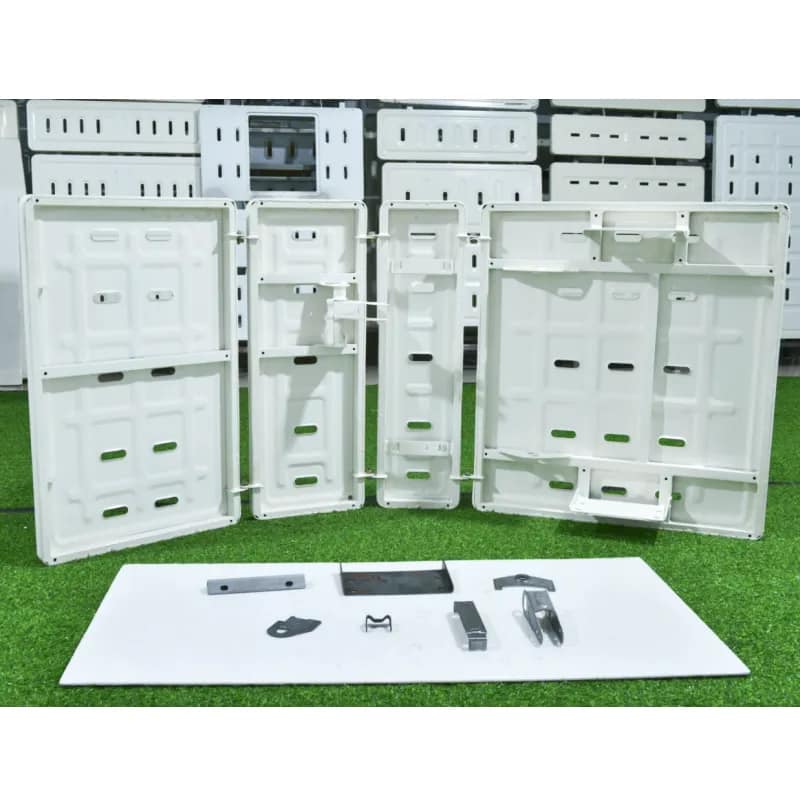
The difference between a mediocre load and an optimized one often comes down to how willing you are to disassemble. Flat-packing adds labor on both ends but the space savings can be dramatic. Hospital bed metal parts and stamped panels nest together in ways that fully assembled units simply cannot.
Vertical space gets wasted constantly. Most loading crews fill the floor area first and treat height as an afterthought. Flipping that priority changes everything. Stack what can be stacked, secure it properly, and suddenly you’re fitting 30% more product in the same container.
Securing methods matter more than people realize. A bed that shifts during transit becomes a damaged bed. Strapping, bracing, and strategic dunnage placement prevent the kind of movement that turns a profitable shipment into an insurance claim.
Standard Dimensions and Their Impact on Container Capacity
A manual three-crank hospital bed packs down to L2020W950H340MM. That collapsed height of 340mm allows for multiple stacking layers in most container configurations. Electric five-function beds pack to L2060W930H460MM. The extra 120mm in height per unit adds up quickly when you’re calculating total capacity.
Width and length determine how units fit side by side. Even 10mm differences between models can mean the difference between fitting an extra row or leaving dead space along the container wall.
International Shipping Rules for Medical Equipment
Customs requirements for medical equipment vary wildly between countries. Some destinations require specific certifications. Others demand detailed documentation about materials and manufacturing processes. Getting this wrong means your shipment sits at port while paperwork gets sorted out.
Commercial invoices need accuracy. Packing lists need completeness. Certificates of origin need proper formatting. Missing any of these creates delays that cost money and damage customer relationships.
Medical device classification affects which regulations apply. Hospital beds fall into specific categories that trigger particular documentation requirements. Knowing these classifications before shipping prevents unpleasant surprises at customs.
The Financial Case for Better Loading
The numbers tell a clear story. Moving from sub-optimized loading to advanced techniques can nearly double the beds per container while cutting per-unit freight costs almost in half.
| Loading Strategy | Beds per 40ft HQ Container | Estimated Freight Cost per Bed | Damage Rate | Environmental Impact |
|---|---|---|---|---|
| Sub-optimized | 20 | $150 | 5% | High |
| Optimized | 30 | $100 | 1% | Medium |
| Advanced | 35 | $85 | 0.5% | Low |
Damage rates drop with better loading because properly secured cargo doesn’t move. Products arrive in sellable condition. Returns and replacements decrease. Customer satisfaction improves.
Fewer containers means fewer emissions. The environmental benefit follows naturally from efficiency gains.
Software and Technology for Load Planning
Container loading optimization software removes guesswork from the planning process. These tools calculate configurations that human planners might miss. They account for weight distribution, stacking limits, and container dimensions simultaneously.
3D visualization lets you see problems before they happen. A virtual load plan reveals gaps and inefficiencies that become expensive once physical loading begins. Adjustments happen on screen rather than on the loading dock.
Fitting More Beds Per Container
Flat-packing works when bed design allows it. Disassembly adds handling time but the space savings often justify the extra labor. Components that nest together reduce total volume significantly.
Dunnage fills voids and prevents shifting. Strategic placement matters more than quantity. Well-positioned dunnage does more than excessive amounts placed randomly.
Loading software generates precise plans that account for every dimension. Following these plans consistently produces better results than relying on loader judgment alone.
Real Shipments and What Worked
A recent shipment of electric hospital beds needed optimization. The original loading plan fit 28 units per 40ft high cube container. After implementing flat-packing and running the configuration through 3D loading software, capacity increased to 35 units. Freight costs per bed dropped 20%. Delivery timelines shortened because fewer containers meant simpler logistics coordination.
Another order combined manual hospital beds with wheelchairs, 4 hooks IV Poles, and ABS bedside cabinets. Mixed cargo creates complexity but also opportunity. Smaller items fill gaps that beds alone would leave empty. Careful planning consolidated everything into fewer containers than initial estimates suggested.

Working With Experienced Partners
ZhongShan YingYun Hardware Products Co.,Ltd has been producing hospital beds and accessories since 2006. That experience translates into practical knowledge about what ships well and what creates problems. Contact [email protected] or +8613528198959 for consultation on optimizing your hospital bed logistics.
Common Questions About Hospital Bed Container Loading
What Factors Affect Loading Capacity Most?
Bed dimensions and design come first. Collapsible beds pack tighter than rigid frames. Container type matters because high cube containers offer extra vertical space that standard containers lack. Packing method determines whether you’re using available space efficiently or leaving gaps throughout the load.
How Does Technology Improve Shipping Efficiency?
Loading optimization software calculates configurations that maximize space utilization. 3D visualization catches problems before physical loading begins. These tools account for weight distribution and stability requirements that manual planning often overlooks. The result is better space usage, lower costs, and less damage.
What Makes International Medical Equipment Shipping Compliant?
Proper documentation forms the foundation. Commercial invoices, packing lists, and certificates of origin need accuracy and completeness. Packaging must protect products during transit. Understanding import duties and destination country requirements prevents delays. Medical equipment classifications determine which specific regulations apply to each shipment.